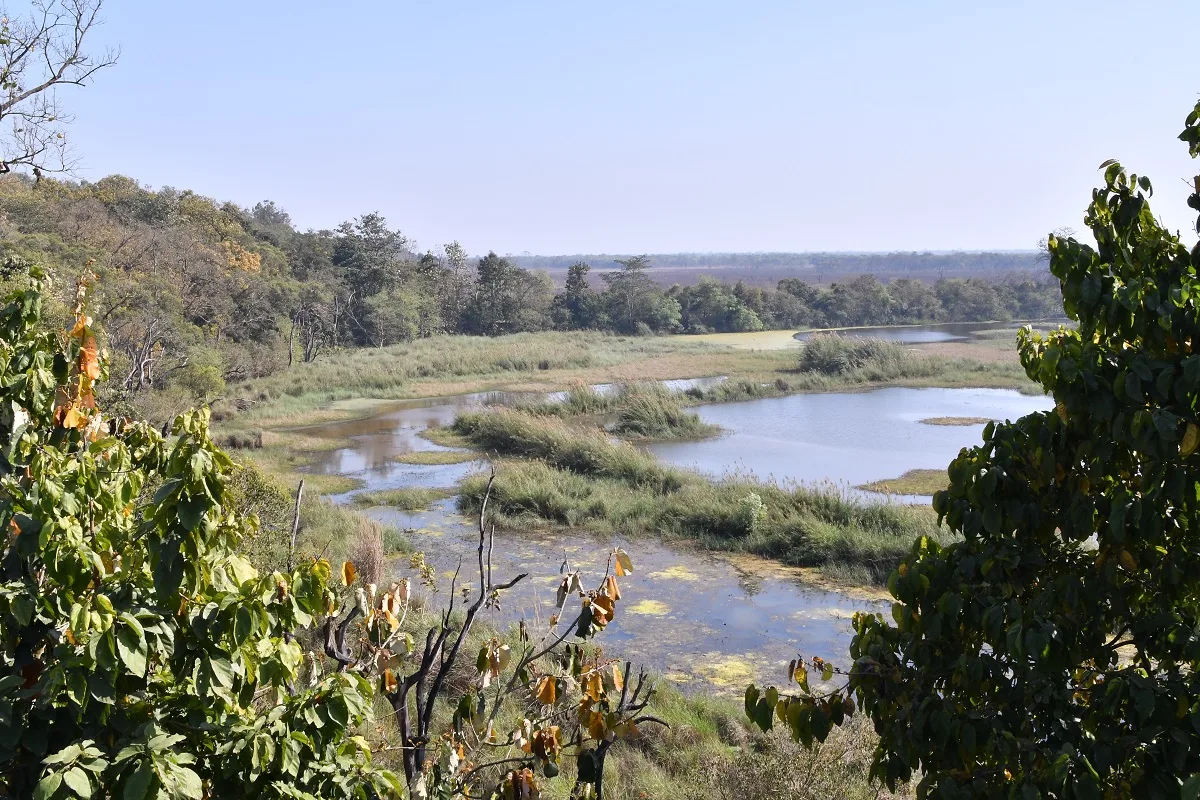
Forests are amongst nature's most useful resources, but there's a lot more to them than trees and wildlife habitats. In fact, forests are important as a resource for human health, climate regulation, preserving biodiversity, and maintaining ecosystems. They purify the air, stabilize the climate, protect water and are life-support systems for millions of organisms, including humans.
Forests are more important now than ever before as climate change, pollution and urbanisation continue to rise on a global scale. Saving forests means more than just saving wildlife - it means saving the future of life on earth and environmental stability.
Forests Improve Air Quality
Forest one of the major unrecognized advantages is that it helps to enhance air quality. Photosynthesis of trees takes in CO₂ and give out O₂, keeping the balance of gases in the atmosphere.
Forests also catch dust, smoke and air borne pollutants that are harmful. It also acts as a natural filter, which helps to decrease the amount of pollution and enhances the quality of air for surrounding communities.
Nearly forested regions provide cleaner air and healthier environments to people residing in close proximity to them than highly polluted urban areas. Forest health is therefore a direct contributor to improved quality of life and better public health.
Forests Help Combat Climate Change
Forestry is one of the key sectors in mitigating climate change impacts. Tree absorbs a huge amount of carbon dioxide and acts as natural carbon sink. This helps to bring down the greenhouse gas levels and to decelerate global warming.
Large landscapes in the Terai are being maintained by the protected forest ecosystems like Dudhwa National Park, which helps in maintaining climate stability and biodiversity in the Terai.
Deforestation and land clearing processes are destroying forests which release carbon back into the atmosphere, contributing to climate-related issues. Protecting forests is one of the best natural climate change mitigation strategies available, then.
Forests Support Mental Health
Stress, anxiety, pollution, mental fatigue are common to modern living. Forest is a calm and quiet natural place which can help to enhance mental and emotional states.
A jungle safari, nature walks, bird watching and Wildlife Photography in the jungle can make a person feel better and help relieve stress. Natural sounds, fresh air, greenery and quietness has a calming effect on the human mind.
It has been demonstrated that forest bathing and green spaces can enhance concentration, mental relaxation and psychological well-being. This is one contributing factor to the rise of eco-tourism and travel based on nature all over the world.
Forests keep water resources safe
Forests are an important component of healthy water systems. Rainwater is absorbed by the trees and helps replenish the underground water supplies. Forests also regulate river flows and help keep wetlands, lakes and streams alive.
Trees in forests help to slow down rainwater and prevent soil erosion, as well as flood. Wetlands within forest ecosystems naturally filter water and enhance water quality.
Forested landscapes are vital to the long-term survival of many rivers and fresh water systems. Without forests, water shortage, droughts and environmental degradation worsen.
Biodiversity and Wildlife Conservation
The forests are home to an incredible diversity of flora & fauna. They serve as homes, food and breeding grounds for numerous species of wildlife, such as mammals, birds, reptiles, insects and amphibians.
Biodiversity is maintained and ecological balance is ensured by protected forests and wildlife reserves like Kishanpur Wildlife Sanctuary.
Biodiversity plays a crucial role in the sustainability of food chains, pollination, soil fertility and nature. All the species in a forest has some kind of effect on the stability of the forest.
Preserving forests will not only help wildlife, but will also preserve the life systems which humans rely on.
Forests also help to mitigate natural disasters
Forest provide mitigation of natural disasters including floods, landslides, droughts, storms etc. Soil is bound together by trees and stops erosion during the pouring rain.
Excess water is absorbed in the wetlands and forest vegetation, thus lowering flood potential in surrounding areas. Forests also help to control local temperatures and ensure moisture content to sustain rainfall.
Loss of forest leads to environmental disasters getting worse and harder to manage.
Forests Support Eco-Tourism
Healthy forest ecosystems are critical for eco-tourism and nature tourism. The National parks, wildlife sanctuaries and Tiger Reserves draw visitors for their interests in jungle safaris, birdwatching and Wildlife Photography.
Eco-tourism provides employment to local communities by developing eco-resorts, safari guides, transportation and hospitality services.
Responsible tourism also raises awareness about protecting the environment and to appreciate forests and biodiversity.
Forests can create an environment that makes destinations significant for sustainable tourism and education around conservation.
The relationship between forests and human health.Forest and Human Health.
There are several benefits forests bring to physical health. With cleaner air, there will be less respiratory diseases and with green spaces more outdoor activities and healthier living.
Forests are also the source of many medicinal plants which have been important in traditional and modern medicine. Forest biodiversity continues to be the source of significant medicinal compounds.
Natural surroundings also play a role in alleviating the heat stress in urban areas by decreasing the ambient temperatures and increasing environmental comfort.
Threats Facing Forests
Forestry is a significant threat with deforestation, illegal logging, urbanisation, mining, pollution and climate change all being serious threats.
Fast development can lead to the loss of forests and the fragmentation of ecosystems, which impacts on wildlife, as well as local communities. Climate change is also affecting forest health by increasing temperatures, droughts and changes in precipitation.
Conservation policies, sustainable land use, eco-tourism and community involvement are key to protecting forests.
Importance of Conservation
Forests play a vital role in promoting climate balance, biodiversity, water security and human health, and conservation of forests is vital to support these services. Forests must be protected by the governments, conservation organizations, local communities and individuals.
Waste reduction, sustainable tourism, tree planting, raising awareness about sustainability, and other simple steps can be part of the solution to long term conservation.
Preservation of nature for future generations is still a very important objective of national parks and wildlife sanctuaries.
Conclusion
There are far more benefits of forests that people are not aware of. They help to clean the air, balance out temperatures, maintain biodiversity, aid water systems, minimize natural disasters, and enhance human mental and physical well-being.
Forests are vital for the environment and for people's lives, not only because they are home to wildlife, but also due to their many other environmental functions, including combating climate change. Their secret benefits pervade nearly all life on Earth.
Forest protection is essential more than ever as environmental challenges are increasing globally. Saving forests now means a healthier, safer, more sustainable future for generations to come.