
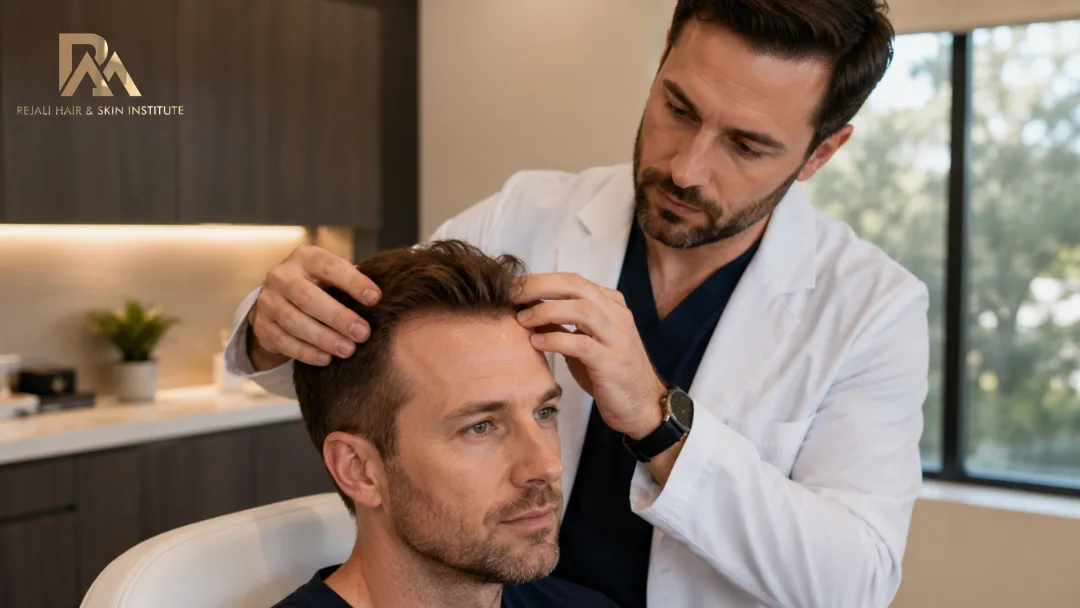
A hair transplant does not end when the procedure is complete. The weeks and months that follow are an important part of the overall treatment process.
Follow-up care allows your surgeon to monitor healing, evaluate graft development, answer questions, and make sure recovery is progressing as expected. For patients considering a hair transplant in Scottsdale, understanding the role of follow-up visits can help set realistic expectations and support better long-term outcomes.
What Happens During Hair Transplant Follow-Up Care?
Follow-up appointments give your surgical team an opportunity to evaluate both the donor and recipient areas.
During these visits, your surgeon may check:
- How the scalp is healing
- Whether redness and scabbing are improving
- How the donor area is recovering
- Whether the transplanted grafts appear to be progressing normally
- Whether you are following aftercare instructions correctly
- Whether any symptoms need additional attention
These appointments also give patients a chance to ask questions about washing, exercise, sun exposure, styling, shedding, and new hair growth.
Why Early Follow-Up Matters
The first few days and weeks after a hair transplant are focused on healing.
During this stage, patients may experience redness, tenderness, swelling, scabbing, itching, or temporary numbness. These effects are often expected, but follow-up care helps confirm that recovery is moving in the right direction.
It also allows your surgeon to identify any concerns early rather than waiting until they become more noticeable.
Follow-Up Helps Patients Understand Shedding
One of the most common concerns after a hair transplant is temporary shedding.
Newly transplanted hairs often fall out during the first several weeks. This can be alarming if patients are not expecting it.
During follow-up visits, your surgeon can explain whether the amount and timing of shedding appear consistent with normal recovery. This reassurance can be especially helpful during the stage when the scalp may temporarily look similar to how it did before surgery.
Monitoring New Hair Growth
Hair transplant results develop gradually.
New growth often begins around the third or fourth month, but the exact timing varies. Early hairs may be fine, uneven, or lighter in appearance.
Follow-up appointments allow your surgeon to compare your progress over time rather than judging the result based on a single point in recovery.
This is important because hair growth is not perfectly synchronized. Some follicles may begin growing earlier than others.
Evaluating Hairline and Density Over Time
A successful hair transplant is not only about whether hair grows.
The long-term result also depends on how naturally the hairline develops, how the transplanted hair blends with existing hair, and how density appears as the follicles mature.
Later follow-up visits can help evaluate:
- Hairline shape
- Growth direction
- Density development
- Blending with native hair
- Donor-area appearance
These factors are easier to assess after the transplanted hair has had time to grow and mature.
Follow-Up Care Can Help Protect Existing Hair
Hair transplantation restores follicles in selected areas, but it does not necessarily stop future thinning of non-transplanted hair.
Depending on the patient, the surgeon may discuss additional strategies for maintaining existing hair.
These recommendations should be based on individual needs, medical history, and long-term hair loss pattern rather than a one-size-fits-all approach.
Follow-up care creates an opportunity to reassess these factors as the patient’s hair changes over time.
Your Recovery Questions May Change Over Time
The questions patients have immediately after surgery are often different from the questions they have several months later.
Early questions may focus on:
- Washing the scalp
- Sleeping position
- Exercise
- Scabbing
- Swelling
- Wearing a hat
Later questions may involve:
- Shedding
- New growth
- Hair texture
- Styling
- Density
- Final results
Regular follow-up gives patients a reliable source of guidance throughout each stage rather than relying on general information found online.
When Should You Contact Your Surgeon Between Visits?
You do not need to wait for a scheduled follow-up appointment if something seems unusual.
Contact your surgeon if you experience symptoms such as:
- Increasing pain
- Significant or worsening swelling
- Persistent bleeding
- Unusual drainage
- Fever
- Redness that is getting worse instead of better
- Any other symptom that causes concern
Prompt communication can help determine whether the issue is part of normal healing or needs additional evaluation.
Follow-Up Care Supports Long-Term Planning
Hair loss can continue over time, which means long-term planning is an important part of hair restoration.
Follow-up visits allow the surgeon to evaluate how the transplanted area is aging alongside the patient’s natural hair.
This can be especially valuable if additional thinning develops in untreated areas.
A thoughtful long-term plan helps preserve a balanced appearance rather than focusing only on the immediate result.
The Procedure Is Only One Part of the Process
A successful hair transplant involves more than the surgery itself.
Careful aftercare, realistic expectations, follow-up monitoring, and long-term planning all contribute to the overall patient experience.
If you are considering a hair transplant in Scottsdale, ask about the follow-up process during your consultation. Understanding how your progress will be monitored can help you feel more prepared for the months ahead.
Schedule a consultation to learn more about hair transplant treatment, recovery, and follow-up care.