Hair Restoration Guide: Choosing Doctors, Clinics and Procedures
Hair loss, receding hairlines, and patchy facial hair can affect appearance and confidence. Modern hair restoration procedures, including Follicular Unit Extraction (FUE), may help suitable candidates improve scalp or facial hair coverage. Results vary depending on donor hair availability, the extent of hair loss, surgical planning, and individual healing.
Whether you are researching a hair transplant doctor, comparing clinics, or considering beard restoration, understanding medical qualifications, procedural options, and aftercare can help you make an informed decision.
How to Choose a Qualified Hair Transplant Doctor
Hair transplantation combines surgical skill with aesthetic planning. Before choosing a specialist, consider the following factors.
- Medical qualifications: Verify the doctor's recognized medical qualifications, relevant specialty training, and experience in hair restoration.
- Surgical involvement: Ask who performs the key stages, including graft extraction, recipient-site creation, and implantation.
- Donor-area management: A responsible treatment plan considers donor density, safe extraction limits, and the possibility of future hair loss.
- Natural hairline design: Hair direction, angle, facial proportions, and appropriate density should guide the treatment plan.
- Transparent consultation: The doctor should discuss expected outcomes, limitations, potential complications, and suitable alternatives.
Review genuine before-and-after photographs, ideally from patients with similar hair-loss patterns. Photographs can help with evaluation but cannot guarantee comparable results.
For additional reading, explore this guide to hair transplant clinics in Pune.
What to Look for in a Hair Transplant Clinic
When searching for a hair transplant clinic near you, do not rely solely on distance, advertisements, or low prices. Evaluate the medical standards and services provided.
Hygiene and safety: Ask about sterilization, infection prevention, and the standards followed in the procedure room.
Preoperative assessment: A proper consultation should include an examination of the scalp, donor area, hair-loss pattern, and relevant medical history.
Clear pricing: Request a written estimate covering the proposed graft count, procedure, medications, and follow-up visits. Understand any additional costs before agreeing to treatment.
Postoperative care: Confirm whether the clinic provides washing instructions, scheduled reviews, and guidance on managing common recovery symptoms.
Not everyone with hair loss is a suitable candidate for surgery. Medical treatment or further evaluation may be more appropriate in some cases.
Celebrity Hair Transplants and Modern Techniques
Public interest in celebrity hair restoration has increased awareness of FUE, implanter-assisted implantation, and selected non-shaven techniques. However, the actual procedures undergone by public figures are not always publicly verified.
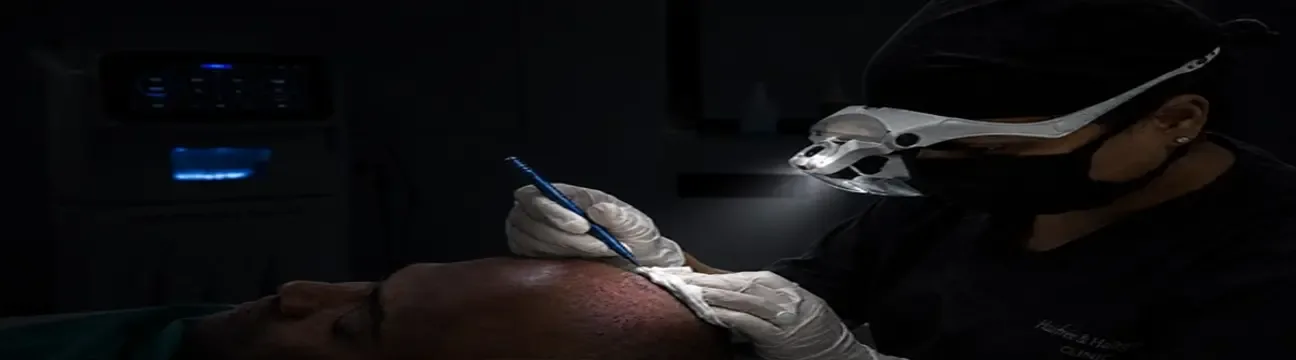
FUE involves extracting individual follicular units from a donor area and placing them into selected recipient sites. Implanter-assisted methods may be used during implantation, depending on the surgeon's approach. Non-shaven techniques may suit certain patients who prefer to keep their existing hairstyle, but eligibility and recovery requirements vary.
The appropriate method depends on the patient's goals, donor supply, hair characteristics, and medical assessment. No technique guarantees a specific density or completely undetectable results.
Beard Transplant: Restoring Facial Hair Density
Beard transplantation may be considered for naturally sparse facial hair, selected scars, or areas with limited growth. FUE is commonly used to harvest donor follicles, often from the scalp.
The procedure generally involves three stages:
- Donor assessment: The doctor evaluates donor hair quality and availability.
- Design and implantation: The beard shape, desired coverage, and natural direction of growth are planned before graft placement.
- Recovery and follow-up: Patients receive instructions for cleaning the area, protecting grafts, and attending review appointments.
Single-hair grafts are often useful around the edges of the beard for a softer appearance. Careful placement is important because facial hair grows at different angles across the cheeks, moustache, and jawline.
Initial healing commonly takes around 7–10 days, although redness may last longer. Transplanted hairs may shed before new growth begins, and visible results develop gradually over subsequent months.
Scalp Hair Transplant vs. Beard Transplant
FeatureScalp transplantBeard transplantMain objectiveImprove scalp coverage or hairline densityImprove facial hair coverageCommon donor sourceBack or sides of the scalpUsually the scalp donor areaGraft selectionDepends on the recipient area and desired coverageSingle-hair grafts are often preferred for natural-looking edgesPlacementFollows the natural direction of scalp hairRequires careful attention to facial hair direction and angleGraft requirementsDepend on the size of the area and available donor hairDepend on beard design and desired coverage
There is no universal graft count for either procedure. A qualified doctor should estimate the requirements after examining the donor area and intended treatment zone.
Frequently Asked Questions
How do I find a reputable hair transplant doctor?
Check recognized medical qualifications, relevant experience, documented results, transparent pricing, and a clear explanation of risks and alternatives.
Are beard transplant results permanent?
Transplanted follicles can provide long-lasting growth, but outcomes vary. Some grafts may not survive, and further treatment may occasionally be considered. Discuss realistic expectations with your doctor.
How long does recovery take after FUE?
Initial surface healing often takes around 7–10 days. Some patients return to desk work within a few days, but the appropriate timeline depends on recovery and the type of work performed.
Final Thoughts
Choosing a hair restoration provider requires careful research, realistic expectations, and individualized medical advice. Verify the doctor's qualifications, understand the proposed technique, discuss donor-area limitations, and confirm that follow-up care is available before making a decision.
For information about hair restoration services and clinic locations, visit Hairfree & Hairgrow Clinic.