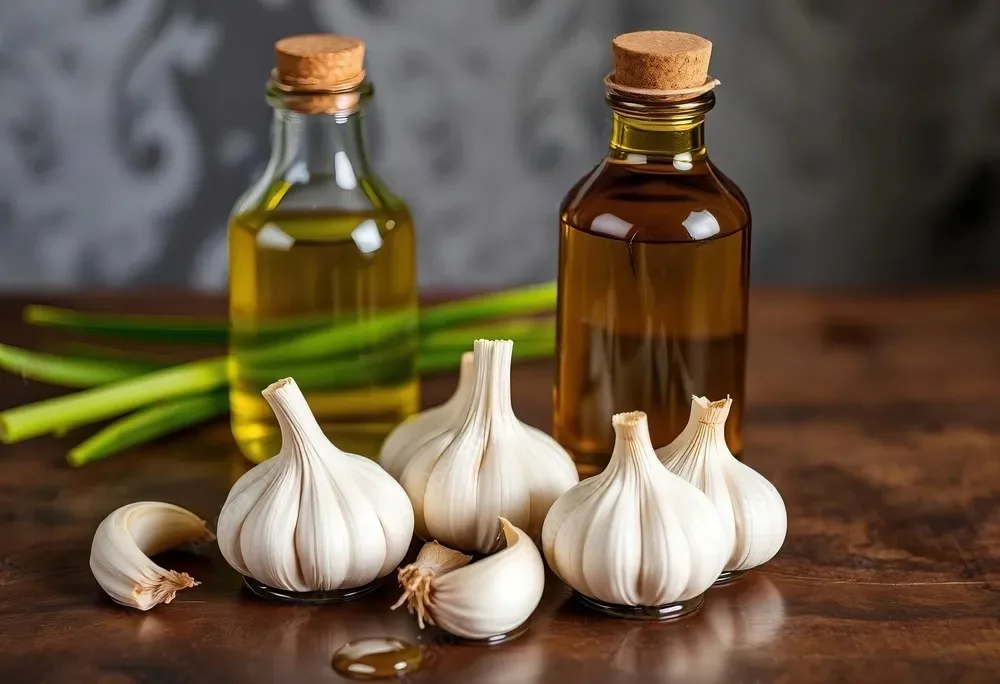
Bulk garlic oil typically originates from major garlic-producing regions (China alone made ~21.6 M t of garlic in 2024, ~73% of world output). Suppliers may source raw garlic from growers or contract garlic processing plants. Wholesale channels include direct contracts with garlic oil manufacturers (or co-packers) and trading companies that aggregate supply. Long-term supply contracts or annual tenders are common, often specifying volumes, quality specs, and pricing formulas. Large buyers negotiate volume discounts or fixed-price contracts indexed to raw garlic prices. Traceability is important: buyers often require Certificates of Origin, batch tracking, and a COA showing oil identity. Some suppliers offer private-label or toll-manufacturing services. Documentation (COA, SDS) is usually provided to meet customer requirements.
Manufacturing / Processing Methods
Conventional garlic oil is extracted from crushed garlic bulbs via steam distillation, solvent (hot hexane) extraction, or supercritical CO₂ extraction. Each method yields a sulfur-rich essential oil with varying profiles. Steam distillation (water-steam distillation) is the most traditional and cost-effective method. It involves steaming crushed bulbs and condensing the volatiles. Steam-distilled oil has a characteristic “cooked” aroma and lower yield (~0.12%). Solvent extraction (e.g. hexane) can yield more oil (~0.44%). The garlic mash is soaked in solvent, which is then evaporated; this approach is efficient but requires solvent recovery and rigorous purity checks. Supercritical CO₂ extraction (high-pressure CO₂) yields the most oil (~0.46%) and preserves more volatile compounds, but needs expensive equipment. Compared side-by-side:
MethodApprox. YieldCharacteristics & TradeoffsSteam Distillation~0.12%Widely used; low equipment cost; heat can degrade allicin, giving a cooked noteSolvent Extraction (Hexane)~0.44%Higher yield; solvent must be food-grade and fully removed; may extract non-volatilesSupercritical CO₂~0.46%High yield; no solvent residue; equipment-intensive; yields a different sulfur profile (often richer in diallyl disulfide)
In addition, ultrasound- or microwave-assisted extraction methods exist but are less common in bulk production. (Organic producers usually avoid petrochemical solvents like hexane, favoring steam or CO₂ methods.)
Quality Checks and Analytical Tests
High-purity garlic oil must pass rigorous testing. GC-MS analysis is standard for profiling the volatile sulfur compounds and detecting adulteration. Typical sulfur constituents (diallyl disulfide, diallyl trisulfide, etc.) should match expected ranges. Peroxide value measures oxidation; moisture content ensures dryness. Microbiological tests (TAMC, yeast/mold, pathogens like Salmonella) follow USP/ISO methods. Heavy metal analysis (ICP-MS) checks lead, arsenic, cadmium, mercury against regulatory limits. (For example, EU and US flavoring regs require Pb<0.1 mg/kg, etc., though garlic oil itself isn’t a staple commodity.) Certificates of Analysis (COAs) typically accompany each batch, listing these metrics. Contract suppliers often publish batch GC-MS reports and density/refractive index as identity checks. In short, ensure the supplier uses accredited labs and provides a full QC panel covering composition, contaminants (metals, pesticides, solvents), and microbial status.
Applications and Industries
Conventional garlic oil’s concentrated flavor and bioactivity make it useful across sectors. Food & Flavoring: It's added to seasonings, sauces, marinades, soups and snacks as a potent flavor enhancer. (HBNO notes use by “flavor manufacturers and food processing companies”.) Nutraceuticals/Supplements: Packed into capsules or liquid extracts for potential health benefits; garlic oil supplier is common in dietary supplements. Cosmetics & Personal Care: Used in some skin or hair products for aroma or traditional uses (though less common, given its strong odor). Animal Feed: Garlic oil can be an additive for poultry/swine as a natural growth promoter or flavor, benefiting animal health. Industrial/Cleaning: Interestingly, garlic oil appears in some bio-based cleaners and pest repellents (Jedwards notes use in “residential and commercial cleaning products”). Other niche uses include fragrances (garlic note can enrich savory scent accords) and pharmaceutical intermediates. Its shelf-stability means bulk buyers often utilize it as a long-lasting flavor concentrate.
Bulk Packaging, Sizes, and Pricing
Garlic oil is sold in a range of bulk packages. Small volumes (1–10 kg) typically come in glass or HDPE bottles/jugs (amber to protect from light). Mid-size: 25 L steel drums (approx. 180–220 kg) are common for industrial buyers. Large-volume: 1000 L IBC (tote) containers or insulated tankers hold roughly 800–1000 kg. Empty weight can be substantial (hauling hazardous liquid). Packaging is often carbon-steel or thick HDPE with liners, and may be fitted with nitrogen blanks or tamper seals to limit oxidation. No matter the container, suppliers focus on sealing and inert-fill to preserve pungency and prevent leakage.
Shelf Life and Storage
Garlic oil is relatively stable if stored properly. Under optimal conditions (cool, dark, and sealed), it can remain satisfactory for 1–2 years. Key storage tips: store in tightly closed containers, keep away from heat and sunlight, and consider an inert gas blanket (nitrogen) to minimize oxidation. Oxygen exposure leads to rancidity (measured by peroxide value) and loss of pungency. Label guidelines typically recommend “store in cool, dry place”. Avoid extreme heat or freezing. Because garlic oil oxidizes slowly, buyers often order in volumes they can use within 6–12 months. Some suppliers add antioxidants (e.g. tocopherols) to prolong shelf life, but this must be disclosed. Always track lot and “best before” dates.
Pricing Factors
Several variables affect garlic oil bulk pricing:
- Raw Material Cost: Garlic bulb prices fluctuate seasonally and regionally. Off-season or imported garlic costs more. Droughts or low yields drive up garlic prices.
- Yield and Purity: A higher-extraction yield (e.g. using CO₂) can lower cost per kg of oil. More concentrated oils (free of carrier oils or fillers) command higher prices.
- Process Cost: Energy and solvent usage (steam vs. CO₂) impact cost. CO₂ extraction’s capital and energy costs are higher.
- Certification & Quality: Kosher, Halal, ISO/GMP certifications add to cost but open markets. Formaldehyde or pesticide residues must meet strict standards (adding testing cost).
- Packaging: Customized or smaller packages (glass bottles, private-label drums) cost more. Basic drums are cheaper per liter.
- Order Size: Large-volume orders get significant discounts (quantity breaks). Small test orders cost more per unit.
- Logistics: Garlic oil is usually classified as flammable liquid (like many essential oils). Transport restrictions (e.g., no air freight as noted by one supplier), warehousing special handling, and customs duties all add cost.
In short, raw garlic market prices, oil yield, and volume discounts are primary cost drivers, with packaging and certification adding smaller increments.
Supplier Selection Criteria
When choosing a garlic oil bulk supplier, consider:
- Production Capacity: Can they consistently supply your required quantity on schedule? (Check annual output or dedicated production lines.)
- Traceability & Quality System: Do they trace oil back to garlic source? Do they hold GMP, ISO 9001, FSSC 22000, or HACCP certification? (These indicate good manufacturing practice.)
- Certification: Assess required certifications: kosher, halal, organic (if desired), non-GMO, etc. Even for non-organic oil, certifications like ISO or Halal may be required.
- Quality Documentation: A reliable supplier provides lot-specific COAs (GC-MS profiles, heavy metal/pesticide tests, micro tests). Ask for their standard tests and stability data.
- Lead Times and MOQ: What is minimum order quantity (MOQ) and lead time from order to delivery? Can they accommodate spikes?
- Technical Support: Do they assist with formulation support or custom specs? Some suppliers offer formulation guidance or tailor oil blends.
- Logistics & Export Capability: If importing, ensure they are export-compliant (with FDA FSVP readiness in USA, export docs, etc.) and experienced in international freight. They should provide SDS, COA, and help with customs paperwork.
- Reputation & References: Check reviews or ask for references. Established essential-oil firms or spice companies with track records reduce risk.
- Price vs Value: The cheapest quote is not always best. Balance cost with quality, service, and reliability. Typically, a lower-cost supplier might use inferior bulbs or cut corners on testing, so verify credentials thoroughly.
Regulatory and Labeling Considerations
United States (FDA): Garlic oil (Allium sativum oil) is listed as a flavoring agent (GRAS) under 21 CFR 184.1317. As a food additive/flavor, it must comply with purity specs in the Food Chemicals Codex. Labeling requires listing as “garlic oil” or “Allium sativum oil” per FDA and trade association guidelines. If sold as a supplement ingredient, it falls under Dietary Supplement GMP rules (21 CFR Part 111) and labeling as a botanical extract.
European Union: Regulated under the EU Flavorings Regulation (EC No. 1334/2008). As a flavoring, garlic oil must meet any EU purity specifications (per JECFA or Council of Europe compendia). Labeling on food follows EU Food Information to Consumers rules; it can be labeled simply as “garlic oil (Allium sativum)” in ingredient lists. Safety assessments by EFSA for novel uses or health claims would apply if applicable. (As a general rule, no specific health claims can be made on garlic oil without EFSA approval.)
India: FSSAI governs imported and domestic garlic oil. There is no unique Indian standard for garlic oil, but it must comply with general food safety rules (no adulteration, contaminant limits per Spice Board or Food Products Standards). Labels in India require ingredient list (in English/ Hindi), net weight, manufacturer address, and license number. If sold as an export item (e.g., from India), additional norms (like Spice Board export certification or APEDA registration) may apply. For cosmetics or pharma uses, separate regulations (AYUSH for traditional medicines, or CDSCO for medicines, etc.) would control claims.
Overall, any export/import requires COA, invoice, and possibly Halal/Kosher certification if requested. Different markets may have maximum residue limits (MRLs) for pesticides and heavy metals; ensure compliance (e.g. EU Regulation 2023/915 sets Pb, Cd, Hg limits for some foods, as echoed in our COA example). Align your COAs with the strictest market you serve to cover all needs.
Risk Factors and Mitigation
Adulteration: Essential oils are high-value and can be adulterated (diluted with cheaper oils or synthetic compounds). Garlic oil is less commonly adulterated than, say, lavender, but risks include dilution with carrier oils or substitution of garlic species. Mitigation: Require GC-MS and IR analysis per lot, check specific gravity/refractive index, and buy from reputable suppliers. Periodically send batches for third-party lab verification.
Oxidation and Degradation: Garlic oil oxidizes on exposure to air, light, or heat. This can form acidic or irritating by-products, changing the aroma. Mitigation: Store sealed under nitrogen, add antioxidants like tocopherol (food-grade), and turn stock regularly.
Batch-to-batch Variability: Natural variability in garlic (variety, soil, harvest time) means oil composition can vary. Mitigation: Use standardized suppliers with consistent sourcing, or purchase oil from a single crop/lot for uniformity. Establish internal specifications (e.g. % diallyl disulfide range) and reject out-of-spec batches.
Contamination: Poorly processed oils can carry impurities (solvent residues, heavy metals, pesticides). Mitigation: Insist on solvent-free or audited processes, and confirm through testing. Adhere to strict incoming QC, including checking moisture/pH (to avoid microbial growth).
By choosing a quality-focused manufacturer and implementing incoming inspection (COA review, random lab tests), these risks can be managed.
Conclusion
Securing high-quality conventional garlic oil in bulk demands attention to every step – from sourcing to final delivery. Understanding the extraction methods, quality tests, and packaging options helps buyers negotiate better terms with suppliers. Key factors are supplier reliability (capacity, certifications, COA transparency) and compliance with food-safety regulations. Ultimately, success hinges on balancing cost with quality and safety. By partnering with a reputable garlic oil manufacturer and bulk supplier – one that provides full documentation (GC-MS, heavy metal assays, etc.) and follows good manufacturing practices – businesses can confidently incorporate garlic oil into their products across the food, nutraceutical, cosmetic, or industrial sectors.
Meta Description: Comprehensive guide to wholesale garlic oil (non-organic): sourcing, extraction methods, quality tests, applications, packaging, and regulatory tips for bulk buyers.
Suggested Slug: garlic-oil-manufacturer-bulk-supplier-guide
Suggested Anchor Texts: garlic oil extraction methods, essential oil quality standards, food flavoring regulations.
FAQs
- What is bulk (wholesale) garlic oil used for? It’s primarily used as a concentrated flavoring in food (e.g. sauces, seasonings) and as an ingredient in nutraceuticals, cosmetics, and animal feed. It delivers a strong garlic aroma without needing fresh cloves.
- How is garlic oil manufactured? Bulk garlic oil is made by crushing garlic bulbs and extracting the volatile oils. Common methods include steam distillation (traditional, less yield), hot solvent extraction (hexane), and supercritical CO₂ extraction (higher yield, equipment-intensive).
- What quality tests are done on garlic oil? Suppliers test garlic oil by GC-MS (component analysis), peroxide value (oxidation), refractive index, moisture, and check for contaminants: heavy metals (Pb, As, etc.), pesticides, residual solvents, and microbes (TAMC, Salmonella).
- Why buy garlic oil in bulk instead of small quantities? Bulk purchases offer lower per-unit cost and consistent supply for manufacturing. For example, 180 kg drums can cost ~$9–10/kg, whereas 1 kg bottles might be ~$100/kg. Buying in bulk also ensures ingredient consistency for large-scale production.
- What bulk packaging options exist for garlic oil? Small orders use amber bottles or jugs (1–10 kg). Industrial buyers use steel or HDPE drums (~180 kg/200 L), and very large users use IBC totes (~800–1000 kg) or even tankers. Containers are sealed to prevent air ingress.
- How long can garlic oil be stored? Typically 1–2 years if kept cool, dark, and sealed. Over time it oxidizes (becomes rancid). To extend shelf life, minimize headspace oxygen (nitrogen blanketing) and store at moderate temperatures. Keep stock rotating to use older lots first.
- What factors influence the price of garlic oil? Key factors include raw garlic cost, extraction yield/purity, order size, packaging, and certifications (e.g. ISO/GMP). Freight (hazmat shipping restrictions) and tariffs also affect cost. Large orders and simpler packaging yield better unit prices.
- How do I choose a garlic oil supplier? Look for suppliers with certified facilities (GMP/ISO), traceable sourcing, detailed COAs (GC-MS, contaminants), and capacity to meet your volume and delivery needs. Check minimum orders, lead times, and export experience. Balance price with documented quality.
- Are there regulatory rules for garlic oil? Yes. In the US, garlic oil (Allium sativum oil) is GRAS as a flavoring (21 CFR 184.1317). In the EU, it falls under general flavoring regulations (EC 1334/2008). Labels must correctly name the ingredient. Ensure compliance with contaminant limits (heavy metals, pesticides) per target markets.
- What are common risks with garlic oil and how to mitigate them? The main risks are adulteration (dilution with cheap oils) and oxidation. Mitigate by demanding GC-MS verification for each batch, storing oil properly (cool, sealed), and buying from reputable suppliers. Verify that supplier testing shows no unwanted additives or breakdown products.