When it comes to creating a warm and energy-efficient home, underfloor heating systems are an increasingly popular choice across the UK. Whether electric or water-based, these systems offer comfortable, even heat that radiates from the floor up. However, to ensure your underfloor heating performs optimally, one essential component often overlooked is insulation boards. In this article, we’ll explore everything you need to know about underfloor heating insulation boards what they are, why they matter, and how to choose the right type for your project.
What Are Underfloor Heating Insulation Boards?
Underfloor heating boards are specially designed panels installed beneath your underfloor heating system. Their main function is to minimize heat loss by preventing warmth from escaping downward into the subfloor. Instead, the heat is redirected upwards into the room where it’s needed. This results in a faster warm-up time, more consistent temperatures, and lower energy bills.
These boards are typically made from materials such as extruded polystyrene (XPS), expanded polystyrene (EPS), or cement-coated foam, which all offer excellent thermal insulation properties. They are available in various thicknesses and sizes to suit different types of flooring and heating systems.
Why Are Insulation Boards Important?
Energy Efficiency
One of the biggest advantages of using insulation boards is improved energy efficiency. Without proper insulation, a significant portion of the heat produced by your system can be lost to the subfloor. Insulation boards help direct more heat upward, reducing the workload on your heating system and saving energy.
Faster Heat-Up Time
With insulation boards in place, your underfloor heating system can reach the desired temperature more quickly. This is particularly beneficial in spaces where heating is used intermittently, such as bathrooms or guest rooms.
Even Heat Distribution
Insulation boards contribute to a more uniform spread of heat across the floor, eliminating cold spots and making the entire room feel evenly warm.
Protection for Flooring
The use of insulation helps regulate the temperature beneath your flooring, preventing overheating and prolonging the life of floor finishes like laminate, engineered wood, or vinyl.
Types of Insulation Boards
There are several types of insulation boards available, each suited to different installations and requirements:
XPS (Extruded Polystyrene) Boards
These are lightweight, water-resistant, and have excellent compressive strength. XPS boards are ideal for tiled floors and wet environments such as bathrooms.
EPS (Expanded Polystyrene) Boards
Slightly less dense than XPS, EPS boards still provide good insulation at a lower cost. They are suitable for larger areas where budget is a consideration.
Cement-Coated Boards
These are high-strength boards with a cement layer that provides added stability and impact resistance. They’re perfect for heavy floor coverings and high-traffic areas.
Foil-Faced Boards
These boards are often used with electric underfloor heating systems. The foil layer helps reflect heat upwards, enhancing overall efficiency.
When and Where to Use Insulation Boards
Underfloor heating insulation boards are particularly important in the following situations:
On Concrete Subfloors
Concrete naturally draws heat away, so insulation is essential to prevent energy loss and ensure effective heating.
On Ground Floors
Floors in direct contact with the ground are more prone to heat loss. Using insulation boards can significantly improve performance.
In Renovation Projects
If you’re retrofitting underfloor heating into an existing property, insulation boards help enhance the efficiency of the system without major structural changes.
Under Tile or Stone Floors
Hard flooring materials can take longer to warm up. Insulation boards help speed up the heating process and maintain comfortable temperatures.
How to Install Insulation Boards
Installing insulation boards is generally straightforward and can be done by competent DIYers or professionals. Here’s a basic overview of the process:
Prepare the Subfloor
Ensure the surface is clean, dry, and level. Any debris or unevenness can affect the insulation and heating performance.
Lay the Boards
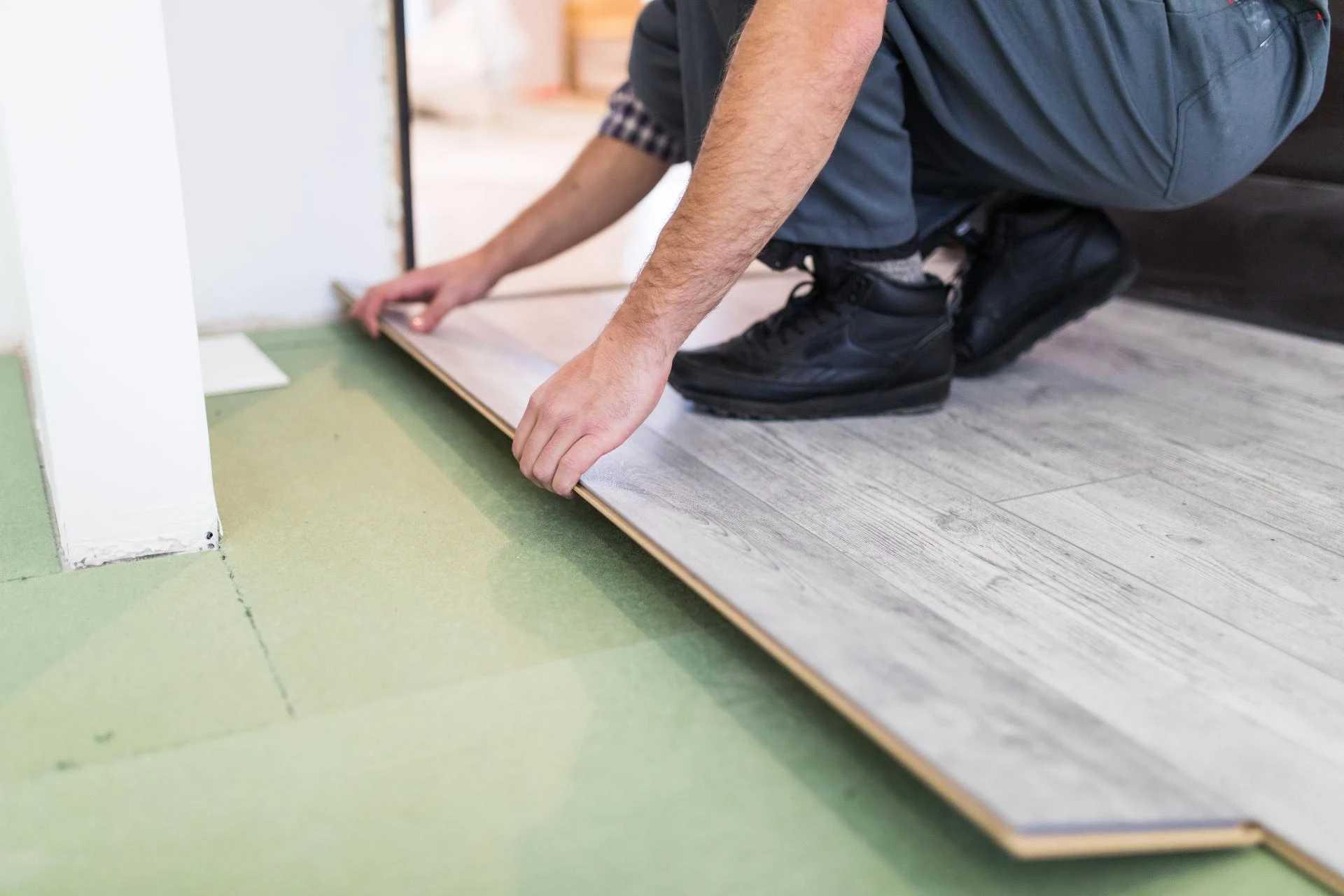
Place the boards tightly together, staggering the joints like brickwork for stability. Use adhesive or fixing washers to secure them in place.
Seal the Joints
Use foil tape or a suitable jointing method to prevent gaps and air leakage, which can reduce insulation performance.
Install the Heating System
Once the boards are laid, you can install the underfloor heating mats or pipes as per the manufacturer’s instructions.
Finish with Flooring
Add your chosen floor finish, ensuring it’s compatible with underfloor heating systems.
Things to Consider When Choosing Insulation Boards
Board Thickness
Thicker boards offer better insulation but may raise the floor height. Choose a thickness that balances efficiency with practicality.
Flooring Type
Ensure the boards are compatible with your final floor covering. For example, cement-coated boards are ideal under tiles, while polystyrene boards may suit carpet or laminate.
Moisture Resistance
In wet areas, opt for water-resistant or waterproof boards to prevent damage and maintain performance.
Compressive Strength
For areas with heavy foot traffic or furniture, choose high-density boards that can withstand pressure without deforming.
Conclusion
Underfloor heating insulation boards may not be the most talked-about element of a heating system, but they play a vital role in ensuring efficiency, comfort, and cost-effectiveness. By reducing heat loss and improving response times, they make your heating system work smarter not harder. Whether you're installing a new system or upgrading an existing one, investing in quality insulation boards is a decision that will pay off in warmth and energy savings for years to come.