
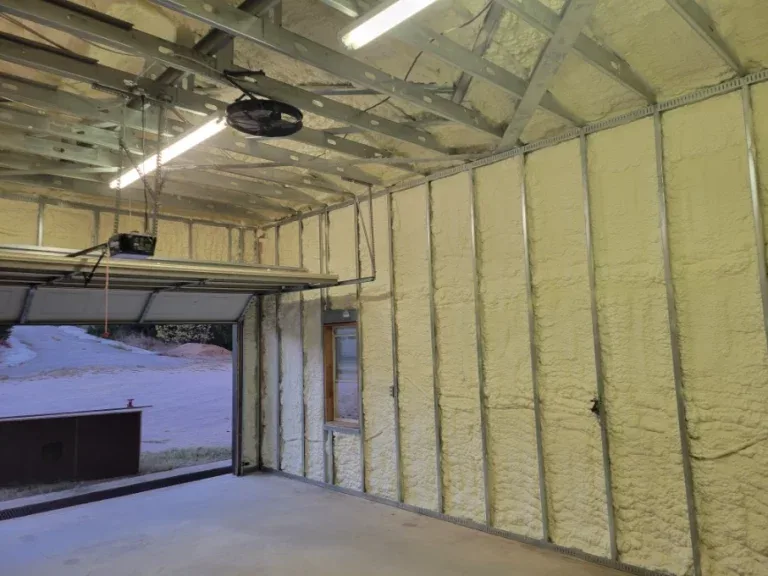
Proper building insulation controls temperature, reduces air leaks, and lowers energy costs year-round. Installing Spray Foam Insulation involves applying a liquid polyurethane mixture that expands rapidly to fill cracks and gaps, forming an airtight barrier. This process creates an efficient seal that fiberglass or cellulose cannot match. Proper preparation and contractor selection ensure you get maximum value from your thermal upgrade.
Building science research shows that unsealed air leaks cause up to 40% of a building's heating and cooling loss. Having evaluated hundreds of retrofits and new builds across various climate regions, building specialists confirm that sealing the envelope yields immediate utility bill reductions.
What Makes Spray Foam Insulation Different From Traditional Materials
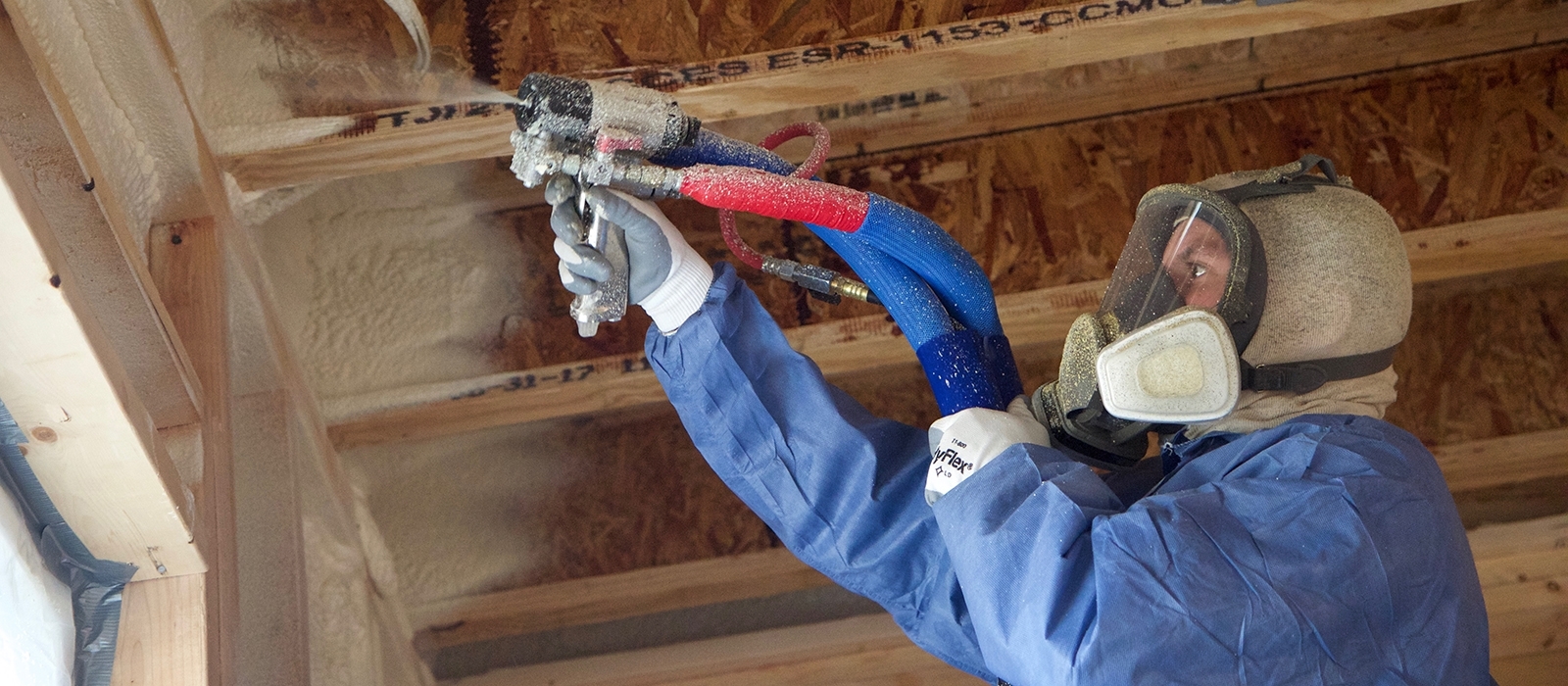
Spray foam works by expanding instantly upon contact with wall studs or roof decks. Traditional batts leave gaps around electrical wires and plumbing pipes.
Here are key distinctions to understand:
- Air Sealing: Expands to block tiny gaps and crevices.
- Moisture Resistance: Keeps liquid water out when using high-density closed-cell options.
- Structural Strength: Adds rigidity to wall assemblies and roof decks.
Understanding the difference between open-cell and closed-cell options helps you pick the right fit for your structure.
FeatureOpen-Cell Spray FoamClosed-Cell Spray FoamR-Value per inchR-3.5 to R-3.8R-6.0 to R-7.0Moisture ResistancePermeable to moisture vaporVapor retarder and water resistantDensityLow density (0.5 lb per cubic foot)High density (2.0 lb per cubic foot)RigiditySoft and flexibleHard and rigidBest ApplicationInterior walls and atticsExterior walls, crawl spaces, roofsSelecting the correct option depends on budget constraints and exposure to moisture.
Things to Evaluate Before Making a Final Decision
Before moving forward, you should inspect structural framing, existing ventilation, and electrical wiring.
Key prep factors include:
- Roof and wall integrity: Inspect for existing water leaks or structural decay.
- Electrical safety: Knob-and-tube wiring must be cleared or replaced before foam application.
- Ventilation plans: Unvented attics require careful design to avoid moisture buildup.
When preparing for spray foam application, proper chemical mixing temperatures are necessary to guarantee curing without off-gassing issues.
Bonus Tip: Schedule a home energy audit before buying materials. An auditor uses blower door tests to find exact air leaks, helping you avoid overspending on areas that already perform well.
How Does Climate Impact Spray Foam Thermal Performance?
Local climate dictates how thick your foam application needs to be. Cold northern regions need higher R-values to keep heat inside during winter. Warm southern regions need air barriers to block humid outdoor air from entering air-conditioned spaces.
Consider these regional rules:
- Cold Climates: Closed-cell foam prevents interior vapor from migrating into wall cavities and freezing.
- Hot and Humid Climates: Foam installed under roof decks seals the attic, keeping ductwork within conditioned space.
- Coastal Areas: High-density foam resists moisture penetration during high-humidity seasons.
Industry studies show that retrofitting attics in hot climates reduces cooling energy consumption by 15% to 25% annually.
Bonus Tip: Match your insulation choice with proper mechanical ventilation. Sealed spaces trap indoor air pollutants, so installing a heat recovery ventilator maintains fresh indoor air quality.
.jpg)
Key Steps in the Spray Foam Application Process
Understanding what happens during a project prevents delays and keeps your job site safe. Professional contractors follow structured protocols during a spray foam insulation installation.
1. Site Preparation
Workers cover floors, windows, and fixtures with plastic sheeting. They clean framing surfaces to make sure the foam sticks cleanly.
2. Chemical Application
Trained applicators spray the liquid component mixture onto open studs. The liquid expands within seconds to seal every gap.
3. Trimming and Inspection
Technicians trim excess foam flush with wall studs using specialized hand tools. They inspect depth to confirm the project meets targeted R-value standards.
4. Curing and Re-entry
The area requires 24 hours of continuous ventilation before occupants return. Proper ventilation clears residual chemical odors.
When hiring experts for your insulation project, confirm they carry specialized spraying equipment and safety gear.
Financial Considerations and Long Term Value
While spray foam costs more upfront than fiberglass, long-term savings often balance out the initial price tag. Data shows that energy-efficient homes sell up to 5% faster and command higher resale prices.
Consider these financial variables:
- Initial Outlay: Materials and skilled labor costs are higher than standard batt options.
- Utility Reduction: Lower heating and cooling bills yield quick monthly returns.
- HVAC Sizing: Sealed buildings require smaller heating and cooling units, reducing replacement equipment costs.
Before hiring local insulation professionals, check for available utility rebates and federal tax credits that offset upfront installation expenses.
When you are evaluating the financial impact, planning your budget around long-term utility savings rather than short-term upfront costs provides a realistic view of investment return.
Bonus Tip: Request detailed price quotes that separate material costs from labor fees. Clear itemization helps you compare contractor estimates accurately.
Summary of Practical Steps for Your Project
Upgrading building insulation improves comfort, lowers energy bills, and protects structural framing from draft damage. Evaluate your specific structure, analyze regional climate demands, and select between open-cell and closed-cell products carefully. Choosing proper materials tailored to your project goals yields long-lasting performance gains.
Reliable Professional Solutions for Your Insulation Upgrades
If you want to improve building energy efficiency, working with experienced installers makes a noticeable difference. Professional technicians ensure accurate chemical mixing and precise application for lasting results.
For property owners seeking reliable support, Spray Foam Tech delivers complete services including Residential Spray Foam, Commercial Spray Foam, Open-Cell Spray Foam, Closed-Cell Spray Foam, Spray Foam Pole Barn, Spray Foam Roofing, and Mineral Wool Insulation. To get a free quote or consult with their technical team, you can email [email protected].
When preparing for your upcoming installation, working with certified specialists guarantees high quality results.
Frequently Asked Questions About Foam Insulation
How long does spray foam insulation last?
Spray foam insulation lasts for the life of the building when installed properly. Polyurethane materials do not sag, break down, or shrink over time.
Can spray foam insulation be applied over existing insulation?
Existing fiberglass or cellulose must be removed before spraying foam. Spray foam needs direct contact with wood framing or masonry to bond and seal air leaks.
Is spray foam insulation fire resistant?
Building codes require spray foam to cover ignition barriers or fire-rated drywalls. Additives in the chemical formula give foam flame-retardant qualities.
Does spray foam attract pests or rodents?
Spray foam offers no food value to insects or rodents. Because it seals small cracks, it blocks common entry points for pests.
How long must you leave the home during installation?
Occupants and pets must vacate the premises for 24 hours after application. Continuous mechanical ventilation clears chemical vapors completely.