Dental health plays an important role in overall well-being, and sometimes routine treatments are not enough to solve complex oral problems. Dental oral surgery is recommended when conditions affecting the teeth, gums, jaw, or surrounding tissues require specialized surgical care. Understanding the procedure, why it is performed, and what to expect can help patients feel more confident before treatment.
What Is Dental Oral Surgery?
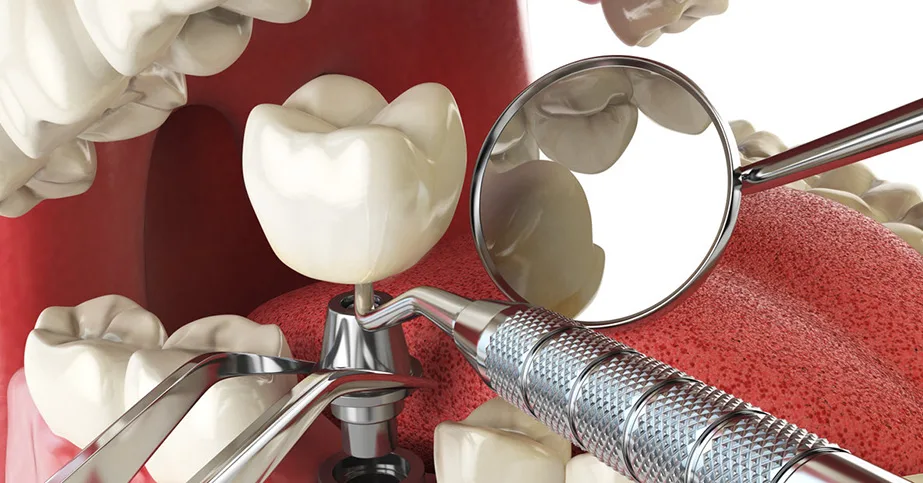
Dental oral surgery refers to surgical procedures performed to diagnose, treat, or correct conditions involving the mouth, teeth, jaws, and facial structures. These procedures may include wisdom tooth removal, dental implant placement, treatment of jaw infections, bone grafting, corrective jaw surgery, and removal of oral cysts or damaged teeth. The treatment plan depends on the patient's oral health condition, medical history, and long-term dental goals.
When Is Oral Surgery Recommended?
A dentist or oral surgeon may recommend surgery when non-surgical treatments cannot effectively resolve the problem. Common reasons include impacted wisdom teeth causing pain, severely damaged teeth that cannot be restored, advanced gum disease affecting bone support, jaw misalignment, facial trauma, or preparation for dental implants. Early diagnosis often helps prevent complications and supports faster recovery after the procedure.
Preparing for the Procedure
Proper preparation makes the treatment process smoother and safer. Patients should discuss their complete medical history, medications, allergies, and existing health conditions with the dental professional. Following pre-operative instructions, such as fasting before sedation or arranging transportation after the procedure, is equally important. Understanding the treatment plan and asking questions beforehand can reduce anxiety and improve overall confidence.
Recovery and Aftercare Tips
Recovery varies depending on the complexity of the surgery. Mild swelling, discomfort, and temporary bleeding are common during the first few days. Following post-operative instructions carefully is essential for proper healing. Patients should eat soft foods, maintain good oral hygiene without disturbing the surgical area, avoid smoking, and attend follow-up appointments. Applying cold packs and taking prescribed medications as directed can help minimize discomfort and support a smooth recovery.
Choosing the Right Dental Professional
Successful dental oral surgery depends not only on the procedure itself but also on the expertise of the treating professional. Look for a qualified oral surgeon or experienced dental specialist with proper credentials, modern equipment, and a strong focus on patient safety. Reading reviews, discussing treatment options, and understanding the expected outcomes can help you make an informed decision. Clear communication between the patient and the dental team also contributes to a positive treatment experience.
Bottom-Line
Dental oral surgery can effectively address complex oral health issues that cannot be managed through routine dental care alone. Knowing why surgery is needed, preparing properly, and following recovery instructions can significantly improve treatment outcomes. With timely diagnosis, skilled care, and good aftercare habits, patients can restore oral function, relieve discomfort, and protect their long-term dental health with greater confidence.