
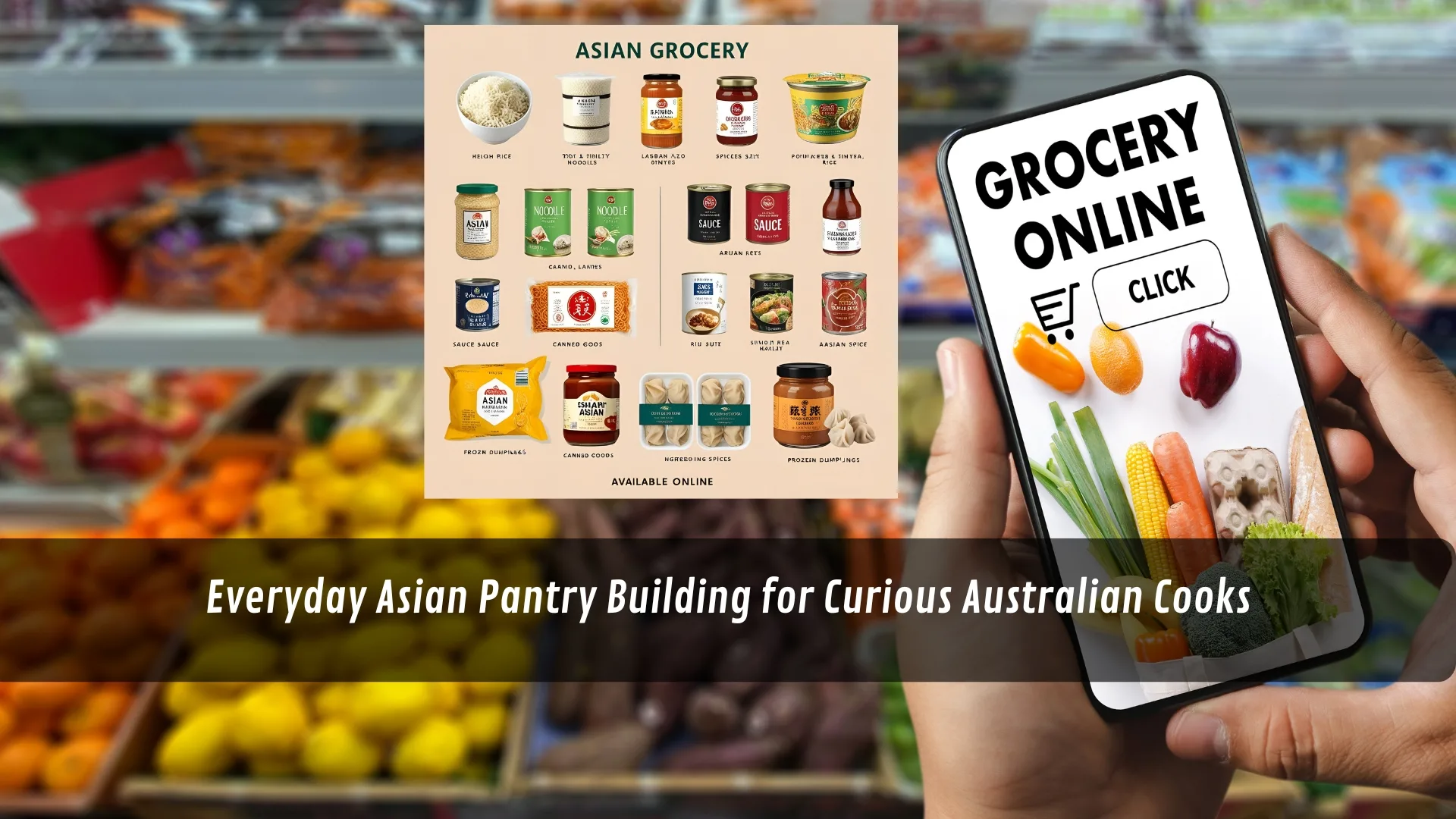
Few food trends last more than a season, yet Australia’s appetite for Asian flavours keeps expanding. What once required a weekend trip to a specialist grocer now sits in ordinary cupboards from Cairns to Hobart. If you’re ready to move past the token bottle of fish sauce, the first step is gaining easy access to varied Asian grocery stores across Australia. After that, smart stocking becomes mostly a matter of matching the right staples to the dishes you actually plan to cook.
Rethinking “Staples” When Rice Isn’t Just Rice
Long-grain jasmine, short-grain sushi and nutty black rice each behave differently in the pan. Rather than buying all three on day one, start with the variety you’ll use most during the week—then branch out when a recipe genuinely calls for something else. That approach applies across the aisle. One soy sauce with balanced salt and umami works harder than three half-used bottles.
A Quick Comparison of Everyday Bases
Base IngredientTypical UseSwaps That Still WorkLight soy sauceStir-fries, marinadesTamari for gluten-free dishesOyster sauceDark caramel notes in greensMushroom “oyster” sauce for vegan cookingShaoxing wineDeglazing wok searsDry sherry if the pantry is bareMiso pasteBroths, dressingsVegemite micro-doses in a pinchThe rule of thumb: buy for versatility, not rarity. A single jar of miso turns up in soups, compound butters and even caramel sauces—proof a pantry staple needn’t be pigeon-holed.
Fresh Produce: Choosing Shelf Life Over Novelty
Some shoppers treat the Asian aisle like a tasting tour, filling baskets with perilla leaves, banana blossom and finger limes. Nothing wrong with that, but watch spoilage. Leafy Thai basil wilts quickly; meanwhile, hardy daikon lasts a fortnight in the crisper. Rotate vegetables by durability and climate: melon-like winter gourds fare better in cooler parts of Victoria, while snake beans stay snappy in Queensland humidity.
Fans of Cantonese hotpot often overlook that a well-trimmed wombok keeps longer than standard cabbage once wrapped loosely in paper towel. Pick produce that tolerates an unpredictable workweek and you’ll cook more than you compost.
Mid-Week Magic: Pantry Shortcuts That Actually Taste Fresh
Sauce packets raise eyebrows among purists, yet a Thai green curry base can salvage a late Wednesday dinner without tasting like concession. Look for pastes listing fresh herbs among the first ingredients, not palm sugar or water. The same scrutiny applies to frozen dumplings—uneven pleats signal handmade quality and better texture.
Shoppers wanting deeper context might enjoy reading about evolving eating patterns and regional differences in our brief piece on Asian grocery culture in Australia. It unpacks why demand for bite-sized convenience is reshaping freezer sections nationwide.
Navigating Labels: When “Authentic” Meets Australian Standards
Imported products carry unique charm, yet Australia’s food labelling is strict for a reason. Look for English ingredient lists and allergen declarations even on small-batch imports. If a jar skips nut or crustacean warnings, leave it. Retailers caught without proper labels face recalls, and no amount of chilli crunch is worth that headache. Current guidance from Food Standards Australia New Zealand clarifies shelf-life dating and country-of-origin marks—helpful reading before stocking up during holiday sales.
Wrapping Up With a Versatile Condiment Trio
Finish an Asian-inspired meal with a drizzle of toasted sesame oil, a pop of Lao Gan Ma chilli and a squeeze of calamansi or lime. Keep them in reach and you’ll season noodles, salads and grilled seafood without digging through drawers. The beauty of a well-considered pantry is speed married to satisfaction. Assemble the right foundations once, top up thoughtfully, and mid-week cooking shifts from chore to small adventure.