Most planning conversations start with the booth, the entertainment, the decor. Event registration software barely comes up until the door queue backs up on event day and somebody's scrambling with a printed spreadsheet.
That's backwards. Registration is where the attendee record actually starts, QR codes, badges, on-spot sign-ups, and it's the piece every other part of the event day depends on, whether that's check-in speed, session access or the data you're left with once everyone's gone home.
What good registration actually does
A properly built system covers the full arc: customizable registration forms that carry your event's branding from the first click, ticketing with tiers for early bird, group or VIP pricing, and QR-based badges generated automatically on sign-up. At the door, that same QR clears entry in seconds and keeps a live headcount without anyone standing there with a clipboard.
None of that is glamorous. All of it is the difference between an event that runs on schedule and one where the first hour is spent untangling a line that shouldn't exist.
The data nobody thinks about until later
Here's the part that tends to get underweighted when teams compare registration options on price alone: what happens to the information after someone signs up. A well-built system doesn't just collect a name and email, it feeds a centralized dashboard that organizers can search, segment and pull for post-event analysis. Which sessions drew the most sign-ups, which ticket tier performed best, whether the pre-event reminders actually moved attendance. That data is what turns "we ran an event" into "here's what we'd change next time."
Registration tools that connect into CRM systems take this further, so the attendee captured at sign-up doesn't just sit in an events spreadsheet, it becomes a lead your marketing team can actually work with afterward.
Where it gets tested
A trade fair or a conference with a few thousand attendees is where registration software either proves its worth or falls apart in front of everyone. On-spot registration for walk-ins, automated reminder emails in the run-up, secure payment processing for paid tickets, all of it needs to hold up under a rush at the door, not just in a calm demo environment. The events that run smoothly at that scale are almost never the ones improvising with paper lists.
Before you sign with a provider
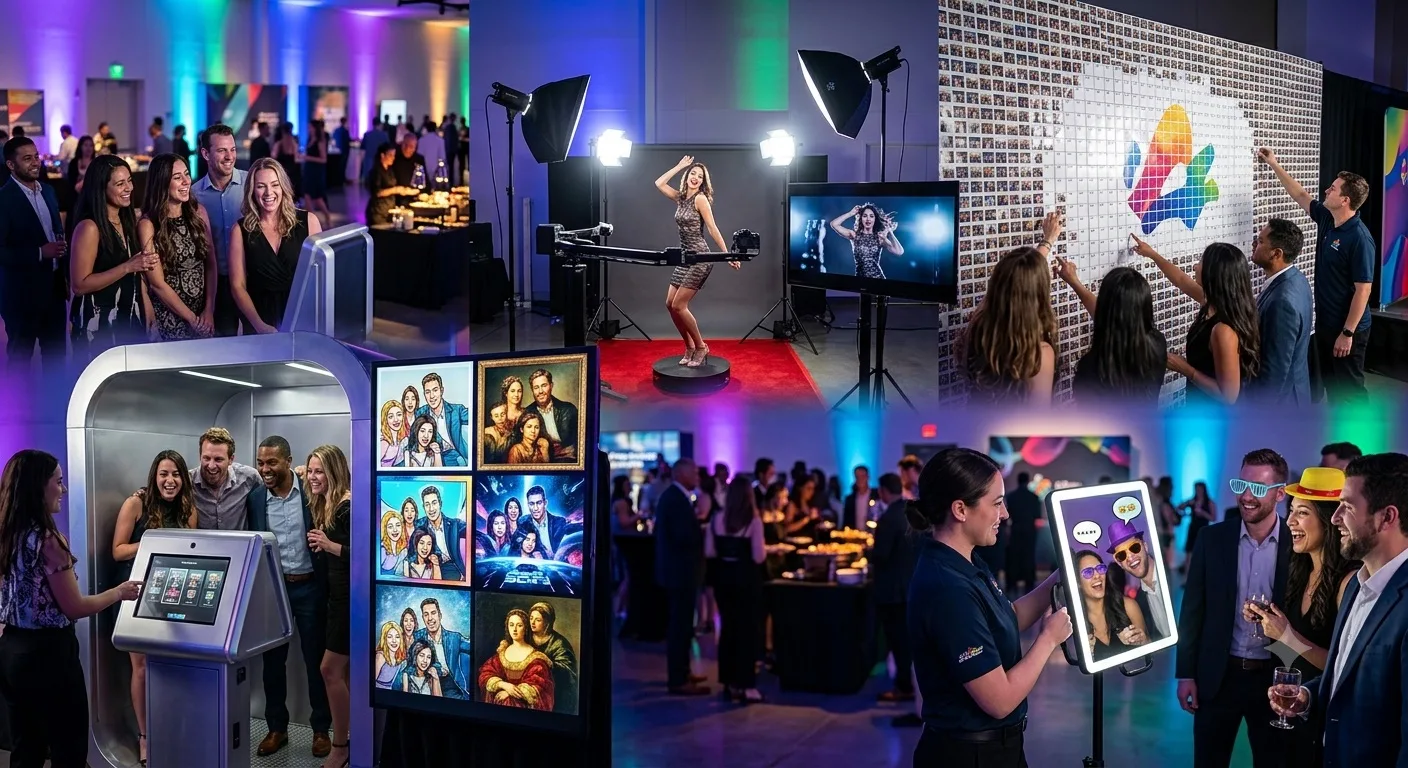
Confirm the system supports the ticket types your event actually needs, whether that's simple RSVP, tiered paid entry, or a mix of both. Ask how payment security and data privacy are handled, since attendee information and transactions both need to be protected properly. And ask whether the same provider can also run your AI photo booth or an augmented reality photo booth experience on the same day, because a shared dataset across registration and on-floor activations means one clean record instead of three disconnected ones to reconcile afterward.
The form nobody gets excited about is the one holding the rest of the day together.
FAQs
What does event registration software actually do? It manages attendee sign-up, ticketing, QR badge generation and check-in for an event, replacing manual lists and spreadsheets with a single digital process from registration to entry.
Can it handle both free and paid events? Yes. Most systems support free RSVP-style registration alongside paid ticketing, including early bird pricing, group bookings and different pricing tiers for the same event.
Is the registration data secure? Reputable platforms handle payment processing securely and treat attendee data with proper privacy safeguards, covering both the sign-up information and any transactions made during registration.
What size of event can registration software handle? It scales from a hundred-person conference to a multi-thousand-attendee trade fair or fest, with on-spot registration available for walk-ins who didn't sign up in advance.
Can registration data feed into other tools? Yes. Many systems connect to CRM platforms, turning attendee sign-up data into leads that marketing teams can work with well after the event has ended.
Does registration integrate with badge printing? Yes. QR codes generated at sign-up are typically used to produce badges on-site or ahead of time, and the same code speeds up check-in at the door.