Being diagnosed with endometriosis can bring up many questions, especially if you're planning to start or grow your family. One of the biggest concerns women have is whether the condition will affect their ability to conceive. While endometriosis is one of the leading causes of female infertility, it does not mean pregnancy is out of reach.
The condition can make conception more difficult for some women, but many are still able to become pregnant naturally. Others may need medical treatment or fertility support to improve their chances. Every woman's experience with endometriosis is different, and factors such as age, overall reproductive health, and the severity of the condition all play a role.
In this article, we'll explain how endometriosis affects fertility, whether natural conception is possible, the treatment options available, and when it may be the right time to seek help from a fertility specialist.
What Is Endometriosis?
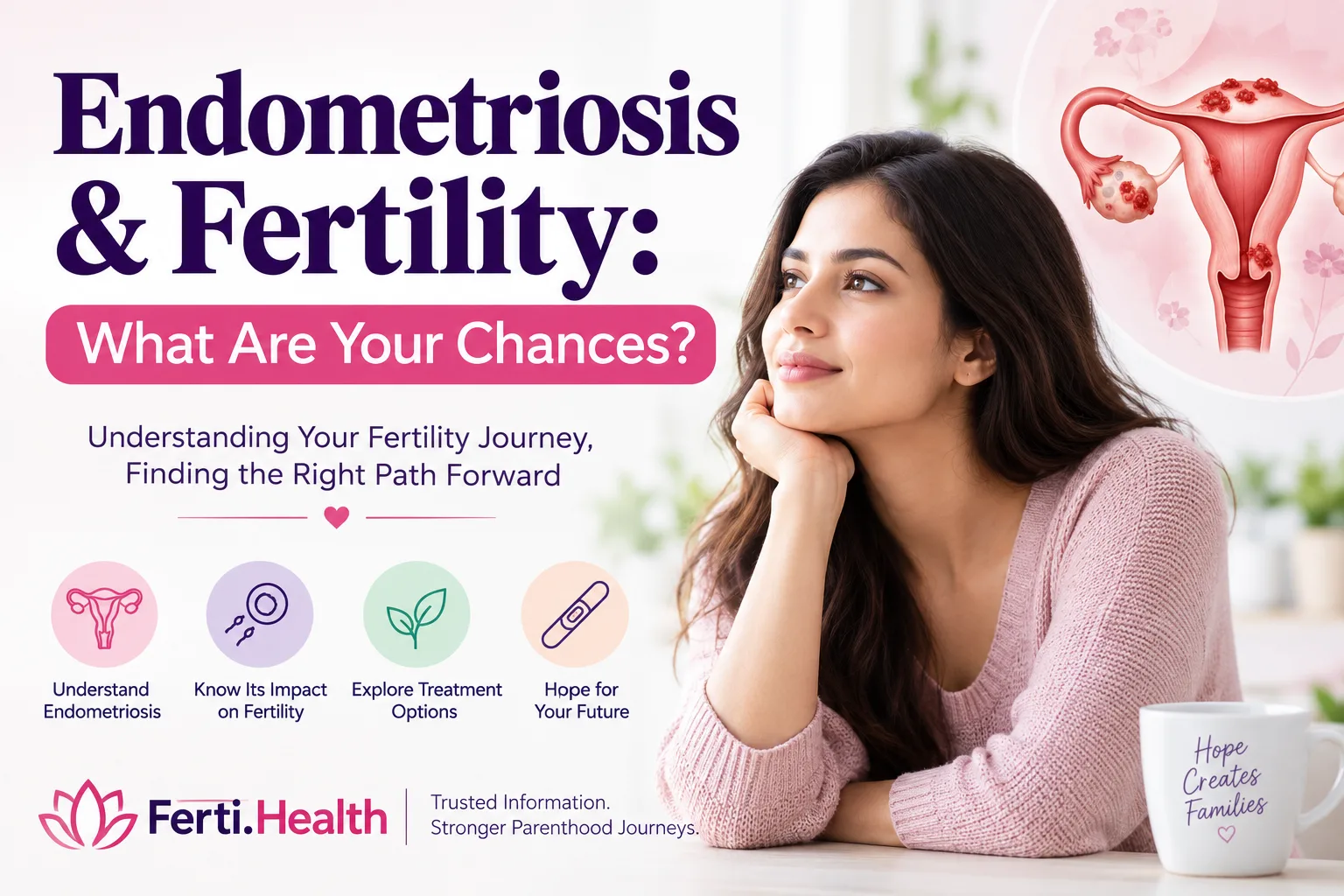
Endometriosis is a condition in which tissue similar to the lining of the uterus grows outside the uterus. These tissue deposits are commonly found on the ovaries, fallopian tubes, the outer surface of the uterus, and other organs within the pelvic region.
Like the tissue inside the uterus, these growths respond to hormonal changes during the menstrual cycle. However, because they cannot leave the body, they can lead to inflammation, scar tissue, adhesions, and persistent pelvic pain over time.
Although endometriosis is a common condition, its symptoms and severity can vary greatly from one woman to another.
Common Symptoms of Endometriosis
The symptoms of endometriosis aren't the same for everyone. Some women experience significant pain that interferes with daily life, while others may have very mild symptoms or no noticeable symptoms at all.
Some of the most common signs include:
- Painful menstrual periods
- Ongoing pelvic pain
- Pain during or after sexual intercourse
- Pain while passing urine or during bowel movements, particularly during menstruation
- Heavy menstrual bleeding
- Persistent fatigue
- Difficulty getting pregnant
It's important to remember that the severity of symptoms doesn't always reflect the severity of the condition. Some women with advanced endometriosis experience very little discomfort, while others with milder disease may have severe pain.
How Endometriosis Affects Fertility
One of the biggest concerns following an endometriosis diagnosis is how it may affect fertility. Although the condition doesn't necessarily prevent pregnancy, it can make conception more challenging in several ways.
Inflammation
Endometriosis can cause inflammation within the pelvis. This inflammation may interfere with the fallopian tubes' ability to collect the egg after ovulation and can also affect embryo implantation.
Adhesions
As the condition progresses, scar tissue and adhesions may develop. These can cause reproductive organs to stick together, affecting their normal function and making conception more difficult.
Ovarian Reserve
In some women, endometriosis can reduce the number of healthy eggs available in the ovaries, a factor often referred to as ovarian reserve.
Blocked Fallopian Tubes
Scar tissue may partially or completely block the fallopian tubes, preventing the sperm and egg from meeting naturally.
Egg Quality
Although many women with endometriosis continue to produce healthy eggs, severe forms of the condition may affect egg quality in some cases.
Even with these challenges, many women with endometriosis successfully become pregnant. Fertility depends on multiple factors, including the stage of the disease, age, ovarian reserve, and overall reproductive health.
Can You Get Pregnant Naturally with Endometriosis?
One of the first questions many women ask after receiving a diagnosis is whether natural pregnancy is still possible.
The answer is yes.
Many women with mild or moderate endometriosis conceive naturally without fertility treatment. Even women with more advanced stages of the condition sometimes achieve natural pregnancy, although it may take longer or require additional medical guidance.
Your chances of natural conception depend on several important factors, including:
- Your age
- The severity of endometriosis
- Whether you are ovulating regularly
- Your ovarian reserve
- Your partner's fertility
- Your overall health and lifestyle
Every fertility journey is unique. While some couples conceive quickly, others may need additional support from a fertility specialist.
When Should You See a Fertility Specialist?
Although many women with endometriosis become pregnant naturally, others may benefit from an early fertility evaluation.
You should consider consulting a fertility specialist if:
You've Been Trying to Conceive Without Success
If you've been trying to become pregnant for an extended period without success, a fertility assessment can help identify any underlying issues and determine the most appropriate next steps.
You Have Moderate or Severe Endometriosis
Women with more advanced endometriosis often face greater fertility challenges. Seeking treatment early may improve the range of available options.
Your Periods Are Extremely Painful
Severe menstrual pain could indicate extensive endometriosis, adhesions, or other reproductive issues that deserve medical evaluation.
You Have Irregular Menstrual Cycles
Irregular periods may indicate ovulation problems or hormonal imbalances that can affect fertility. A specialist can investigate the underlying cause.
You're Planning Pregnancy Later in Life
Female fertility naturally declines with age. If you're planning to delay pregnancy or are trying to conceive at an older age, discussing your fertility with a specialist can help you understand your options.
How Is Endometriosis Diagnosed?
Diagnosing endometriosis usually begins with a detailed discussion of your symptoms and medical history.
Depending on your individual situation, your healthcare provider may recommend one or more diagnostic methods, including:
- Pelvic examination
- Ultrasound
- MRI scan
- Laparoscopy
Each method provides different information, and your doctor will decide which investigation is most appropriate based on your symptoms and reproductive goals.
Treatment Options for Women Planning Pregnancy
If you're hoping to conceive, treatment should be tailored to your individual needs. Factors such as your age, the severity of endometriosis, your symptoms, and your fertility goals all influence the most appropriate approach.
Many women benefit from a combination of lifestyle improvements and medical treatment.
Lifestyle Support
Maintaining a healthy lifestyle can play an important role in managing endometriosis and supporting overall reproductive health.
Simple habits such as eating a balanced diet, exercising regularly, getting adequate sleep, and managing stress can contribute to better overall well-being.
Pain Management
Doctors may prescribe medications to help relieve pelvic pain and other symptoms associated with endometriosis. If you're actively trying to conceive, discuss all medications with your healthcare provider, as some treatments may not be suitable during this time.
Surgical Treatment
In certain situations, surgery may be recommended to remove endometriosis tissue or scar tissue affecting the reproductive organs. Before deciding on surgery, it's important to discuss the potential benefits, risks, and alternatives with your specialist.
Fertility Treatments
If pregnancy doesn't occur naturally, your fertility specialist may recommend treatments based on your individual circumstances. The most appropriate option will depend on your reproductive health, age, and previous treatment history.