
Reimagining Daily Reality: The Quiet Revolution of Gadgets in 2026
Imagine waking up to a home that not only anticipates your needs but adapts on the fly, where every device—from your coffee maker to your smartphone—collaborates seamlessly. This is not science fiction; it is the lived experience for millions in 2026. The rapid integration of AI, sensor technology, and empathetic interfaces has transformed gadgets from mere tools into active participants in daily routines. According to industry analysts at Gartner, global consumer spending on smart gadgets surpassed $1.2 trillion in early 2026, marking a 15% increase from the previous year and indicating an accelerating adoption curve.
Walking through a bustling urban center, one witnesses an ecosystem of interconnected devices that effortlessly manage energy consumption, health monitoring, and personal productivity. The gadgets of 2026 have evolved into extensions of human intention and behavior, blurring lines between utility and companionship. This profound transformation underpins a broader societal shift towards hyper-personalization and anticipatory technology, as reported by TheOmniBuzz in its April 2026 overview of gadget trends. The stakes are high: these innovations affect privacy, accessibility, and even social dynamics, compelling a deeper understanding beyond surface-level excitement.
“The fundamental change is that gadgets no longer react; they predict and adapt, making technology truly invisible,” notes Dr. Aisha Farouk, a leading researcher in human-machine interaction.
Tracing the Path: How Gadgets Evolved to the 2026 Milestone
The evolution of gadgets over the past two decades reveals a trajectory from standalone, single-function devices to integrated, intelligent systems. Early 2000s gadgets were defined by hardware innovation—smaller, faster, and more portable. The smartphone revolution catalyzed a paradigmatic shift by providing a multipurpose platform that combined communication, computation, and entertainment.
The next decade saw the rise of Internet of Things (IoT) devices, connecting everyday objects to the internet and allowing for remote control and data collection. However, these early IoT gadgets often suffered from fragmentation, limited interoperability, and security issues. The breakthrough came in the early 2020s when edge computing and advanced AI algorithms enabled devices to process data locally and make contextually relevant decisions without latency.
Concurrently, advances in materials science introduced flexible displays, energy-harvesting components, and biodegradable electronics, addressing sustainability concerns that had escalated alongside gadget proliferation. This background sets the stage for the current era, where gadgets are not only smart but also socially aware and environmentally responsible, as detailed in Mastering Tomorrow’s Tech: Advanced Strategies Powering Smart Gadgets.
- 2007-2012: Smartphone ubiquity and app ecosystems emerge
- 2013-2018: IoT proliferation with limited integration
- 2019-2023: AI-driven edge computing and enhanced device autonomy
- 2024-2026: Empathetic, adaptive gadgets with focus on sustainability and privacy
The Core of 2026 Gadgets: Data, AI, and Human-Centric Design
The defining feature of gadgets in 2026 is their capacity to harness vast data streams combined with sophisticated AI to deliver hyper-personalized experiences. Devices integrate multi-modal sensors—covering environmental, physiological, and emotional domains—to build comprehensive profiles of users’ states and preferences. For instance, next-generation wearables no longer just track steps or heart rate; they analyze micro-expressions, vocal tone, and biochemical markers to gauge mood and cognitive load.
This data is processed through federated learning models that preserve privacy while enhancing accuracy. Unlike centralized AI systems, federated learning allows gadgets to improve through decentralized data without exposing sensitive information. A 2026 report by the Consumer Technology Association estimates that over 75% of new gadgets incorporate federated AI frameworks, highlighting a widespread industry shift.
Moreover, the user interface paradigm has shifted dramatically. Touchscreens and voice commands have been supplemented or replaced by ambient computing and gesture-based controls. Devices anticipate needs and present information contextually, reducing cognitive overload. The integration of empathetic technology, as explored in TheOmniBuzz’s Why Gadgets Are Becoming More Human, shows how machines are designed to recognize and respond to human emotions, enabling more natural and effective interactions.
- Multi-sensor fusion: Combining visual, auditory, and biochemical inputs
- Federated AI: Decentralized learning for privacy-preserving intelligence
- Ambient computing: Context-aware information delivery without explicit commands
- Empathetic responses: Emotion recognition to tailor device behaviors
“Empathy is no longer just a human trait. Gadgets are learning to read and respond to feelings, enhancing engagement and trust,” says Diego Martinez, CTO at Synapse Gadgets.
Spotlight on 2026: Breakthroughs and Market Movements
The current year has witnessed several landmark developments reshaping the gadget landscape. One of the most influential advances is the maturation of quantum-inspired processors tailored for consumer devices. These chips deliver exponential improvements in AI inference speeds while reducing energy consumption by up to 40%, according to industry benchmarks from the Semiconductor Industry Association.
In parallel, modular gadget ecosystems have gained traction, allowing users to customize and upgrade core components rather than replacing entire devices. This shift addresses growing environmental concerns by extending device lifespans. Brands like Novatek and HelixTech have led this trend, reporting a 30% increase in modular device sales in Q1 2026 alone.
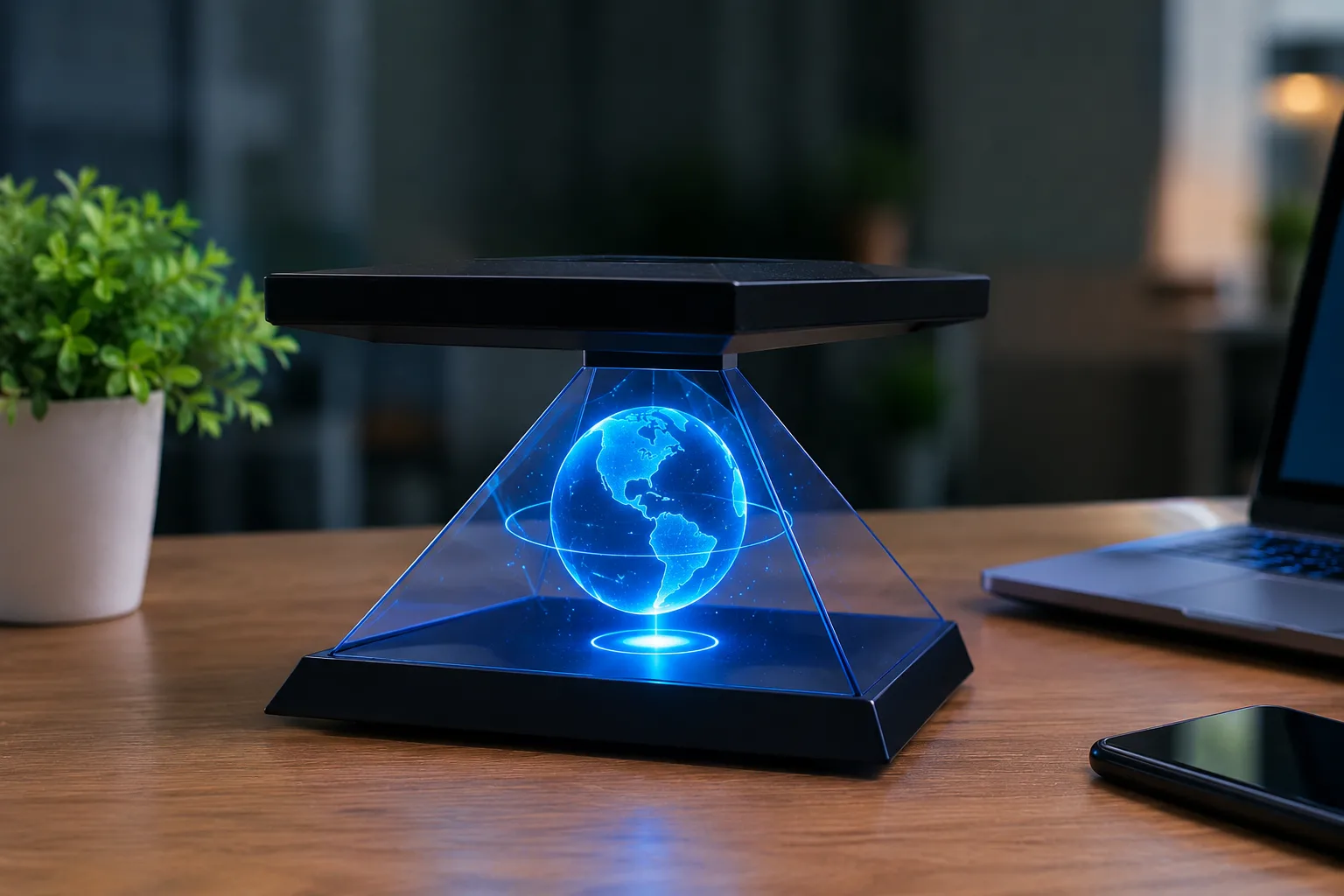
Another notable trend is the mainstream adoption of holographic displays and augmented reality (AR) interfaces embedded in everyday gadgets. Unlike earlier bulky AR headsets, today’s gadgets feature lightweight, prescription-compatible smart lenses and pocket-sized holographic projectors, enhancing both professional and leisure activities.
Furthermore, regulatory frameworks around data privacy and gadget interoperability have strengthened globally. The EU’s Digital Device Act (DDA) implemented in early 2026 mandates transparency in AI decision-making and enforces open standards for device communication, setting a precedent adopted by several other nations.
- Quantum-inspired processors driving efficiency and AI capabilities
- Modular design reducing electronic waste and promoting sustainability
- Holographic and AR interfaces achieving consumer mainstream status
- Global regulatory advances enhancing privacy and interoperability
Expert Insights: Industry Leaders on the Gadget Horizon
Leading voices in technology emphasize that the future of gadgets hinges on harmonizing innovation with ethical considerations. Dr. Mei Lin, Chief Innovation Officer at Lumina Devices, highlights the importance of aligning AI capabilities with human values: “Gadgets must be designed not just for functionality but for fostering wellbeing and inclusivity.” Her team’s recent projects incorporate mental health support features seamlessly embedded within daily-use devices.
From a market perspective, venture capital flows into gadget startups indicate strong confidence in health-tech, environmental monitoring, and empathetic AI as dominant growth sectors. A recent report from TechInvest Global notes that funding for AI-enabled wearable startups doubled in the first half of 2026 compared to 2025.
Industry conferences such as CES 2026 and the Global IoT Summit have underscored collaboration as a critical success factor. Cross-industry partnerships between device manufacturers, cloud providers, and AI research institutions are accelerating the pace of innovation and standardization, fostering ecosystems that benefit consumers and developers alike.
“The next decade belongs to gadgets that listen, learn, and evolve with their users — but always underpinned by trust and transparency,” remarks Elena Rodriguez, Editor-in-Chief of TheOmniBuzz Technology section.
Looking Ahead: What to Expect from Gadgets Beyond 2026
As the horizon of gadget innovation expands, several key themes are poised to dominate. First, the convergence of biotechnology and electronics will enable devices capable of seamless integration with the human body, extending capabilities in health monitoring and augmentation. Early examples include implantable sensors for continuous glucose monitoring and neural interfaces for cognitive enhancement.
Second, sustainability will remain a central concern. Circular economy models for gadgets, including take-back programs and fully recyclable materials, will likely become standard practice. Consumers and regulators alike are demanding accountability, pushing manufacturers to design products with end-of-life in mind.
Finally, the ethical dimension of gadget AI will intensify. Issues such as algorithmic bias, data sovereignty, and digital autonomy will require proactive governance and innovative technical solutions, fostering gadgets that empower users without compromising rights.
Consumers and businesses should prepare for an era where technology is not an external accessory but a deeply embedded partner in life’s fabric. Staying informed through expert analyses like Unlocking Hidden Potential: Advanced Strategies Transforming Gadgets Today will be essential for navigating this dynamic environment.
- Bio-electronic integration for enhanced health and cognition
- Commitment to circular economy and sustainable design
- Strengthened ethical frameworks governing AI in gadgets
- Increased user empowerment and digital rights awareness
The trajectory of gadgets reflects a broader human quest to transcend limitations through technology. As devices become more intuitive and empathetic, they hold the promise to enrich lives, foster sustainability, and redefine the interface between humans and machines. Staying abreast of these developments is not just a technological imperative but a societal one.