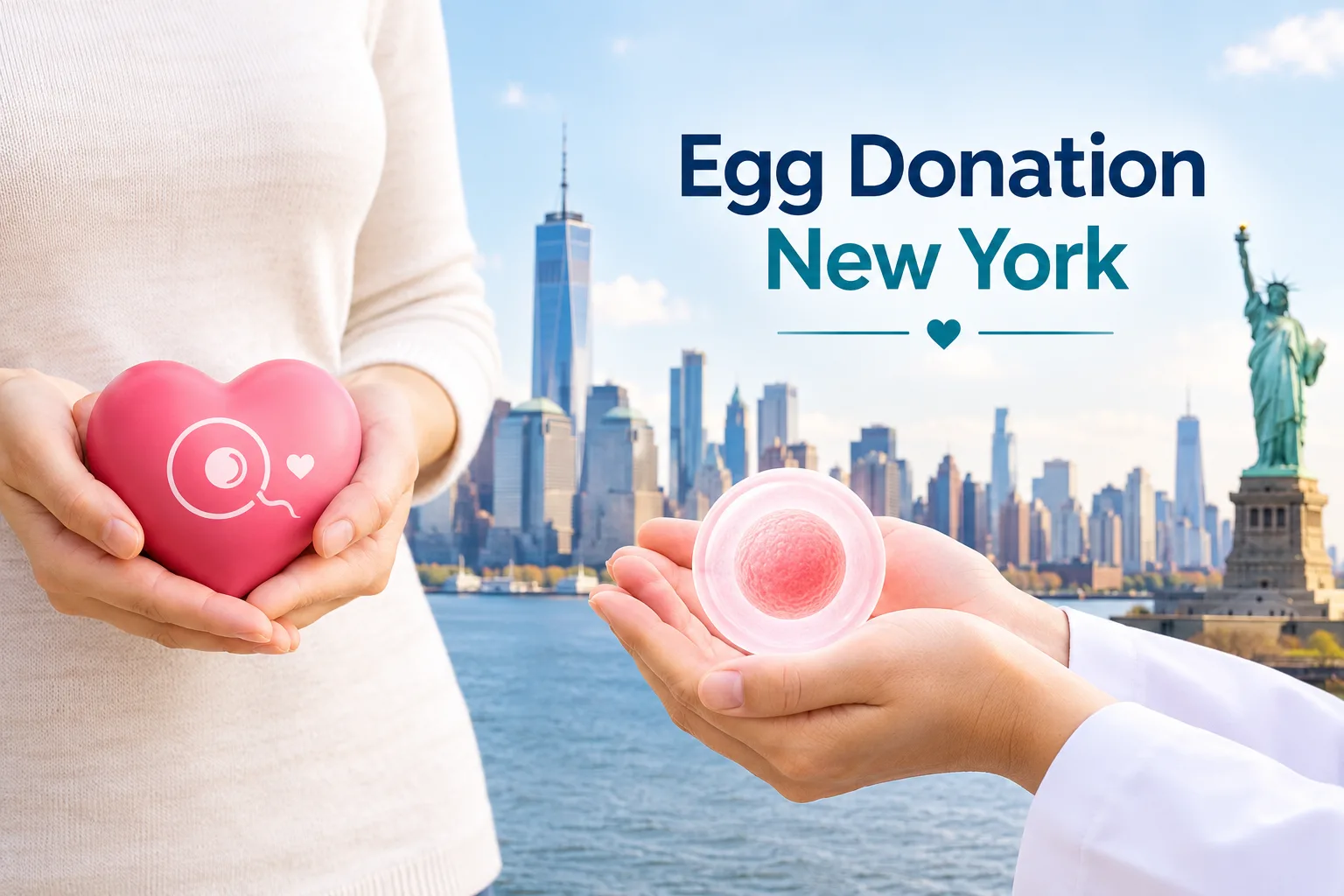
Egg donation can be an option for individuals and couples who need donor eggs to pursue pregnancy through in vitro fertilisation (IVF). Understanding the screening process, donor matching, and coordination with a fertility clinic can help intended parents make informed decisions. When exploring egg donation New York options, it is important to understand the roles of an egg donation agency, the medical team, and any other professionals involved in treatment.
From reviewing donor profiles to planning IVF, each stage requires careful consideration of medical information, personal preferences, and individual circumstances.
What Is an Egg Donation Agency?
An egg donation agency helps intended parents navigate the non-clinical aspects of finding and coordinating with an egg donor. Depending on its services, an agency may provide information about available donors, facilitate communication, and help coordinate administrative steps with a fertility clinic.
An agency may assist with:
- Explaining the general egg donation process
- Providing access to available donor profiles
- Coordinating communication between intended parents and relevant professionals
- Helping organise donor matching and related arrangements
- Clarifying administrative steps, fees, and timelines
An egg donation agency does not replace a fertility specialist. Medical evaluations, donor screening, IVF treatment, and decisions about clinical suitability must be handled by qualified healthcare professionals.
Before selecting a provider, ask which services are included, which responsibilities belong to the fertility clinic, and what costs may apply.
How Does Egg Donor Screening Work?
Donor screening helps fertility professionals assess relevant health information and determine whether a prospective donor meets the applicable medical and program requirements. The exact process depends on the clinic, donor program, and relevant guidelines.
Medical and Family History
A prospective donor may be asked about personal medical history, reproductive health, and family health history. This information can help the clinical team identify factors that may require further assessment.
Infectious Disease and Genetic Screening
Screening may include infectious disease testing and genetic carrier screening, as appropriate under the applicable clinical protocols. The specific tests depend on individual circumstances and current professional guidance.
Genetic screening can provide useful information about certain inherited conditions, but it cannot identify every possible genetic risk.
Psychological Evaluation and Informed Consent
Counselling or psychological evaluation may be part of the process. These steps can help participants understand the emotional, practical, and ethical considerations involved in egg donation.
Informed consent is also important. Intended parents and donors should have an opportunity to understand the procedures, responsibilities, privacy considerations, and relevant agreements before proceeding.
Screening does not guarantee that every potential risk will be identified or that IVF will result in pregnancy. Intended parents should discuss the findings and their implications with their fertility specialist.
How Does Egg Donor Matching Work in New York?
Donor matching involves identifying a potential donor whose profile and circumstances align with the intended parents’ preferences and the fertility clinic’s requirements.
When exploring an egg donor agency, intended parents may review available information such as:
- Medical and family health history
- Genetic screening information, where available
- Personal background information included in the profile
- Donor availability and scheduling considerations
- Preferences relevant to the intended parents’ family-building plans
The information available varies by donor program and privacy arrangements. Intended parents should ask how profiles are prepared, what information is verified, and how personal data is protected.
Matching is not simply a matter of choosing a profile. The fertility clinic may need to review relevant screening information and determine whether the donor is suitable for the planned treatment.
Timelines can vary depending on donor availability, screening requirements, clinic scheduling, and individual preferences. No agency can guarantee that a particular donor will be available or that a selected match will result in a successful pregnancy.
Egg Donation NYC: Working With Fertility Clinics
For intended parents researching egg donation NYC, a fertility clinic plays a central role in evaluating medical needs and planning treatment. The agency and clinic may have different responsibilities, so it is helpful to understand how communication and coordination will work.
The process may involve the following steps:
1. Initial Fertility Consultation
The intended parent or parents meet with a fertility specialist to discuss medical history, family-building goals, and whether donor egg IVF may be an appropriate option.
2. Review of Donor Information
The clinical team reviews relevant donor screening information and considers the requirements for the intended treatment plan. Additional assessments may be needed before proceeding.
3. IVF Treatment Planning
The fertility clinic develops a treatment plan based on the medical circumstances of the people involved. This may include coordinating the timing of donor procedures and preparing for fertilisation.
4. Egg Retrieval and Fertilisation
If treatment proceeds, a qualified clinical team performs the egg retrieval procedure. The retrieved eggs may then be fertilised with sperm in a laboratory as part of IVF, according to the agreed treatment plan.
5. Embryo Transfer Planning
If embryos develop and the clinical team determines that proceeding is appropriate, the clinic discusses possible next steps, including embryo transfer. Treatment outcomes vary, and not every cycle results in an embryo suitable for transfer or a pregnancy.
The precise sequence, medical procedures, and timing depend on the fertility clinic’s protocols and individual circumstances.
What Support Can an Egg Donor Agency Provide?
An egg donor agency may provide practical support throughout the coordination process, but the services offered differ between providers.
Depending on the arrangement, support may include:
- Guidance on understanding donor profiles
- Communication and scheduling assistance
- Coordination of administrative documents
- Information about the stages of donor matching
- Clarification of agency responsibilities and applicable fees
Before committing, ask whether the agency coordinates with your chosen fertility clinic, how questions are handled, and which services are included in the agreement.
It is also important to understand who manages medical questions, counselling, legal agreements, and treatment decisions. These responsibilities may involve separate professionals.
Important Considerations Before Choosing Egg Donation New York Services
When comparing egg donation New York options, take time to evaluate the process and the provider’s transparency. Consider the following questions:
- Are services clearly explained? Ask for a written outline of the agency’s role and the services included.
- Are fees transparent? Request a breakdown of agency fees and other anticipated expenses, including clinic charges where relevant.
- How is screening handled? Confirm which professionals oversee medical screening and how results are reviewed.
- How is donor information protected? Ask how personal information is collected, stored, and shared.
- Is counselling available? Understand what counselling or psychological support may be appropriate for the people involved.
- Is legal guidance needed? Consult a qualified attorney familiar with assisted reproduction in New York when legal agreements or parentage questions arise.
- Are expectations realistic? Be cautious of promises about guaranteed matches, pregnancy, or live birth.
New York laws and clinical requirements can affect how egg donation arrangements are structured. Because legal and medical circumstances vary, intended parents should obtain advice relevant to their situation rather than relying on general information alone.
Conclusion: Taking the Next Step
Exploring egg donation involves more than choosing a donor profile. Understanding screening, matching, clinical responsibilities, costs, privacy, and legal considerations can help intended parents approach the process with greater confidence. Whether you are researching an egg donation agency or comparing options for egg donation NYC, informed decisions and clear communication with qualified professionals are essential. Indian Egg Donors provides information for intended parents exploring egg donation and family-building options. Visit Indian Egg Donors and use the Contact Us page to learn more about available information and support.
Frequently Asked Questions
1. What Does an Egg Donation Agency Do in New York?
An egg donation agency may help intended parents review donor profiles, understand the process, and coordinate administrative communication. Medical screening and IVF treatment are handled by qualified healthcare professionals.
2. How Do I Choose an Egg Donor Agency for IVF?
Compare the agency’s services, fee transparency, screening coordination, privacy practices, communication process, and agreement terms. Ask how it works with your fertility clinic and which responsibilities are handled by other professionals.
3. How Does Egg Donation NYC Work?
The process may involve a fertility consultation, donor profile review, screening, matching, IVF planning, egg retrieval, fertilisation, and possible embryo transfer. The exact steps depend on clinical requirements and individual circumstances.
4. What Should I Know Before Exploring Egg Donation New York?
Understand the screening process, expected costs, donor information available, privacy arrangements, legal considerations, and the roles of the agency and fertility clinic. Discuss medical questions with a fertility specialist.
5. Does an Egg Donor Agency Coordinate With Fertility Clinics?
Some agencies coordinate communication and administrative arrangements with fertility clinics, but services vary. Confirm the agency’s role and ask the clinic who will manage screening, treatment decisions, and medical care.