Composite bonding should improve your smile without unnecessarily removing healthy tooth structure. But the way it is planned and applied matters.
If you are considering Composite Bonding in Cambridge, you may have one big concern: will your natural teeth be weaker or damaged after the treatment? The reassuring answer is that composite bonding usually requires little or no removal of natural enamel, making it a relatively conservative cosmetic dental treatment. However, poor technique, untreated dental problems, or careless removal of the bonding material can cause damage.
Here is what you should know before booking an appointment.
Does Composite Bonding Damage Your Natural Teeth?
In most suitable cases, no. Composite bonding is designed to change the appearance of your teeth while preserving as much of their natural structure as possible.
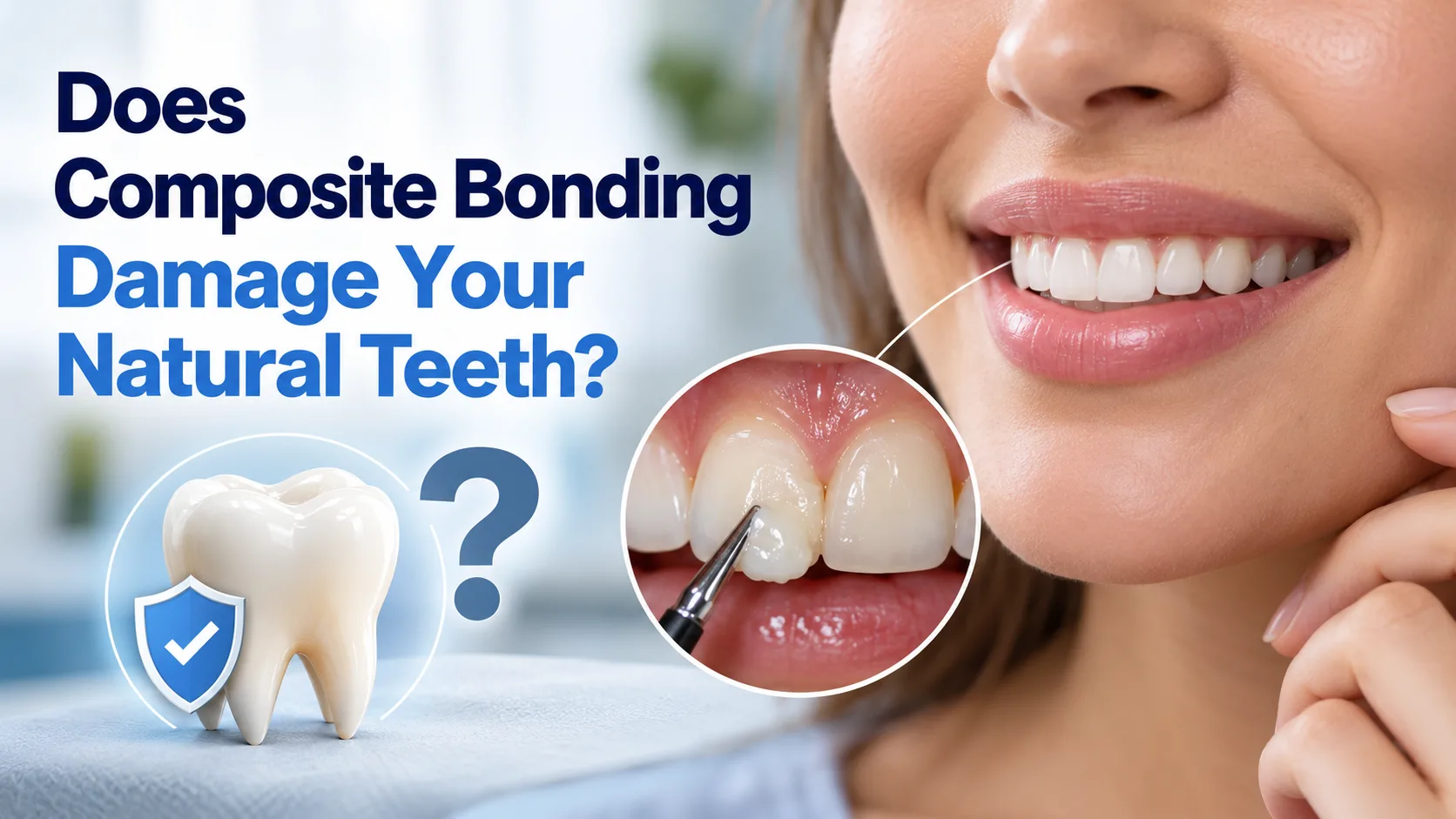
During treatment, a dental professional applies a tooth-coloured composite resin to the tooth. The material is shaped to improve its appearance, then hardened using a special curing light and polished.
Unlike some traditional veneers or crowns, composite bonding often does not require significant drilling or enamel removal. In many cases, the resin can be added directly to the existing tooth surface.
That is one of its main advantages.
However, composite bonding is not automatically risk-free. The amount of preparation needed depends on your tooth shape, the position of your teeth, the amount of material required, and the result you want to achieve.
If a tooth needs unnecessary reshaping before bonding, healthy enamel may be removed without a good reason. This is why the treatment plan matters as much as the material itself.
How Does Composite Bonding Affect Your Tooth Enamel?
Enamel is the hard outer layer that protects your teeth. Unlike some other tissues in the body, it does not grow back once it has been lost.
With composite bonding, the aim is usually to preserve this layer.
When little or no enamel is removed
For small changes, such as closing a minor gap, repairing a chipped edge, or improving the shape of a tooth, the composite resin can often be bonded directly to the enamel.
The dental professional may gently prepare the surface to help the material adhere securely. This can involve applying an etching gel rather than drilling away a substantial amount of tooth structure.
The resin is then added, shaped and polished.
When some tooth preparation is needed
Certain cases require minor reshaping to achieve a natural-looking result. For example, a tooth that protrudes noticeably may need a different approach from one with a small chip.
The key question is whether the preparation is necessary and proportionate to the desired result.
Before treatment, ask your dental professional whether any enamel will be removed and why. You should understand what will be changed before the procedure begins.
Can Composite Bonding Weaken Your Teeth?
Composite bonding itself does not usually weaken a healthy tooth when it is properly planned and applied.
In some cases, it can even help restore the shape of a chipped tooth. However, bonding is not a substitute for treating decay, gum disease, or other underlying dental problems.
Problems may arise if:
- The bonding is poorly fitted. Rough or poorly shaped edges can make cleaning difficult and may contribute to plaque build-up.
- Decay is left untreated. Bonding over a tooth that needs treatment can allow an existing problem to progress.
- The material is repeatedly damaged. Biting hard objects or using your teeth to open packaging can chip the composite.
- You grind or clench your teeth. Repeated pressure can damage the bonding and may affect the underlying teeth.
These risks do not mean composite bonding is a bad choice. They mean that suitable case selection, careful application, and everyday care all matter.
If you grind your teeth at night, tell your dental professional before treatment. A protective night guard may be recommended to reduce the risk of damage.
What Happens to Your Natural Teeth When Composite Bonding Is Removed?
This is a question worth asking before you commit to treatment.
Composite bonding can often be removed without significant damage when the material is carefully identified and taken off using suitable instruments. However, removal is not always completely risk-free.
The composite resin can be difficult to distinguish from natural enamel, particularly when the material is tooth-coloured. If too much enamel is removed during the process, the tooth may be left with an altered surface.
Your experience will depend on how the original bonding was applied, whether the tooth was prepared beforehand, and the skill of the professional carrying out the removal.
Do not try to remove composite bonding at home. Filing, scraping, or using abrasive products can permanently damage your enamel.
If your bonding becomes stained, chipped, or uneven, a dental professional can assess whether it needs polishing, repair, replacement, or removal. In many cases, repairing a small defect is preferable to removing all the material.
Is Composite Bonding Reversible?
Composite bonding is often described as reversible because it generally involves little or no removal of natural tooth structure.
But the word reversible needs some care.
If the resin was added directly to an unprepared tooth, removal may leave the original tooth structure largely intact. If enamel was reshaped or removed before treatment, that lost structure cannot be restored naturally.
Even when no deliberate enamel removal was planned, removing the resin can carry a small risk of surface damage.
For this reason, it is more accurate to say that composite bonding is often a conservative treatment, rather than promising that every case is completely reversible.
This distinction matters if you are comparing bonding with porcelain veneers or dental crowns. The amount of tooth preparation differs between treatments, and the most suitable option depends on your teeth and your goals.
What Are the Other Risks of Composite Bonding?
Damage to natural teeth is not the only consideration. Composite bonding has a few practical drawbacks that are worth understanding.
Staining and discolouration
Composite resin can stain over time, particularly with frequent exposure to coffee, tea, red wine, or tobacco. The material does not respond to whitening products in the same way as natural enamel.
Good oral hygiene and professional polishing can help maintain its appearance.
Chips and cracks
Composite is durable, but it is not indestructible. Biting fingernails, chewing ice, or using your front teeth to bite hard objects can damage the material.
Minor chips can often be repaired without replacing the entire bonded area.
Gum irritation
If the composite extends too far towards the gumline or has rough edges, it may make plaque removal more difficult. This can contribute to gum inflammation.
Careful shaping and polishing help reduce this risk.
Sensitivity after treatment
Some people notice temporary sensitivity following bonding, especially if the tooth required preparation. Persistent or worsening sensitivity should be assessed rather than ignored.
How Can You Protect Your Teeth After Composite Bonding?
The good news is that looking after bonded teeth is usually straightforward. You do not need a complicated routine.
- Brush twice a day with fluoride toothpaste.
- Clean between your teeth daily using floss or suitable interdental brushes.
- Avoid biting hard objects with your bonded teeth.
- Arrange regular dental check-ups and professional cleaning as advised.
- Contact your dental professional if the bonding feels rough, becomes loose, or develops a sharp edge.
If you are considering teeth whitening as well, discuss the order of treatment before you start. Whitening can lighten natural teeth, but it will not reliably change the shade of existing composite resin. Whitening first and then matching new bonding to your preferred tooth shade may be more appropriate.
Who Is a Suitable Candidate for Composite Bonding?
Composite bonding can be a good option if you want to repair small chips, close minor gaps, improve uneven edges, or change the shape of teeth without extensive preparation.
However, it is not suitable for every situation.
If you have untreated decay, active gum disease, significant tooth damage, or heavy grinding habits, these issues may need attention first. Larger changes to tooth position may also be better addressed with orthodontic treatment before cosmetic bonding is considered.
A dental professional should examine your teeth and gums before recommending treatment. They can explain whether bonding is likely to meet your expectations and whether any tooth preparation is necessary.
Should You Get Composite Bonding in Cambridge?
If you are thinking about Composite Bonding in Cambridge, ask for a consultation before deciding on treatment.
A useful consultation should cover how much natural tooth structure needs to be changed, what the finished result is likely to look like, how long the bonding may last, and what maintenance it will need. Ask to see relevant examples of previous work if they are available.
Choosing a qualified, appropriately registered dental professional is also important. In the UK, you can check a dental professional's registration through the General Dental Council (GDC) register.
For patients looking for a Dental Therapist in Cambridge, the professional should explain the proposed procedure clearly and confirm that the treatment falls within their training, competence, and permitted scope of practice.
Composite bonding can be a sensible way to improve your smile while preserving natural teeth. The aim should never be to remove healthy enamel unnecessarily just to make the bonding fit.