
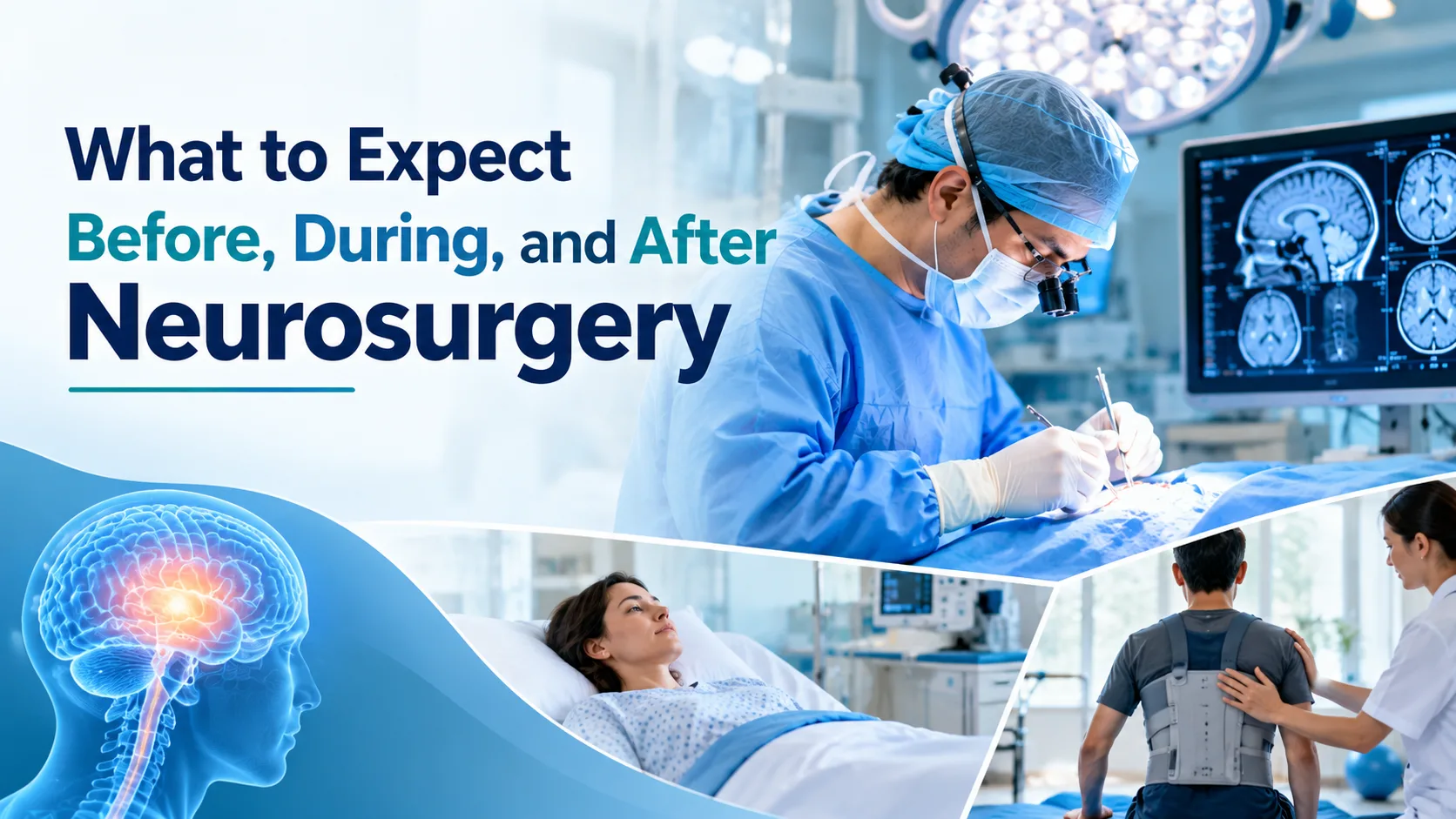
Neurosurgery is a specialised field of medicine focused on diagnosing and treating conditions affecting the brain, spinal cord, spine, and peripheral nerves. It may be recommended for problems such as brain tumours, spinal cord compression, certain head injuries, nerve disorders, and other conditions that require surgical intervention. The decision to undergo neurosurgery can feel overwhelming for patients and their families, particularly when they are unsure about the procedure, possible risks, or recovery process.
Understanding each stage of treatment can help patients prepare more confidently and know what questions to ask their healthcare team. People searching for the Best neurosurgeon in Jaipur should look for a qualified specialist who explains the diagnosis, available treatment options, expected outcomes, and possible complications in a clear and understandable way.
Neurosurgery varies considerably depending on the patient's condition. Some procedures are planned in advance, while others may be required urgently following an accident or sudden neurological problem. Knowing what to expect before, during, and after surgery can help patients make informed decisions with their medical team.
What Is Neurosurgery?
Neurosurgery involves the surgical treatment of conditions affecting the nervous system. This includes the brain, spinal cord, spinal column, and nerves responsible for movement, sensation, and other essential functions.
A neurosurgeon may treat conditions such as:
- Brain tumours and certain other brain lesions.
- Head injuries associated with bleeding or pressure inside the skull.
- Spinal fractures and injuries affecting spinal stability.
- Herniated discs that cause significant nerve compression.
- Spinal stenosis and certain other spinal disorders.
- Selected conditions involving abnormal blood vessels in the brain.
- Nerve compression and other neurological conditions requiring surgery.
Not every neurological or spinal condition requires an operation. Depending on the diagnosis, treatment may involve medication, observation, rehabilitation, injections, or other non-surgical approaches. Surgery is considered when the expected benefits justify the risks and when it is an appropriate option for the individual patient.
1. What to Expect Before Neurosurgery
Initial Consultation and Medical Evaluation
The process usually begins with a consultation in which the specialist reviews the patient's symptoms, medical history, previous treatments, and current medications. The doctor may ask about headaches, weakness, numbness, balance difficulties, back pain, changes in sensation, or other symptoms relevant to the suspected condition.
A neurological examination may be performed to assess muscle strength, reflexes, coordination, sensation, and other functions. These findings help the medical team understand how the condition affects the nervous system.
Patients should share information about existing medical conditions, allergies, previous surgeries, and medicines, including blood thinners and supplements. This information can influence surgical planning and anaesthesia safety.
Diagnostic Tests and Surgical Planning
Imaging tests help doctors identify the location and extent of a problem. Depending on the condition, investigations may include an MRI scan, CT scan, X-rays, blood tests, or other specialised examinations.
The surgeon reviews these findings to determine whether surgery is appropriate and which technique may be suitable. Some procedures involve conventional open surgery, while others may use minimally invasive techniques or specialised surgical equipment.
Before agreeing to an operation, patients should understand its purpose, expected benefits, significant risks, alternatives, and likely recovery requirements. They should also have an opportunity to discuss concerns about pain, mobility, hospital stay, and follow-up care.
Preparing for the Procedure
The healthcare team provides instructions according to the planned operation and the patient's health. These may include fasting before anaesthesia, medication adjustments, bathing instructions, and arrangements for transportation or support after discharge.
Important: Never stop prescribed medication or change its dose without guidance from the treating clinician. Patients should also follow the hospital's instructions about eating and drinking before surgery.
2. What Happens During Neurosurgery?
Admission and Anaesthesia
On the day of surgery, the medical team confirms the patient's identity, planned procedure, relevant medical information, and consent. The anaesthesia team assesses the patient's health and explains the anaesthetic approach.
Many major neurosurgical procedures are performed under general anaesthesia, meaning the patient is unconscious during the operation. The anaesthesia team monitors vital signs and manages the patient's condition throughout the procedure.
The exact preparation and monitoring requirements depend on the operation and the patient's medical needs.
The Surgical Procedure
The surgical approach depends on the condition being treated. For example, an operation to remove a brain tumour differs significantly from a procedure intended to stabilise a spinal fracture or relieve pressure on a spinal nerve.
During brain surgery, the surgeon may access the affected area through an opening in the skull. For certain spinal procedures, the surgeon may remove material pressing on a nerve, relieve narrowing around the spinal canal, or use instruments to stabilise part of the spine.
Some procedures require specialised monitoring or image-guided techniques to help protect important neurological structures. The surgical team selects the approach according to the diagnosis, anatomy, and treatment goals.
The duration of surgery varies widely. It depends on the complexity of the condition, the technique used, and whether additional procedures are necessary. Patients should ask their surgeon for an estimate specific to their operation rather than relying on a general timeframe.
Monitoring During Surgery
Throughout the operation, the surgical and anaesthesia teams monitor the patient's condition. Depending on the procedure, this may include checking vital signs and using specialised techniques to assess certain neurological functions.
After surgery, the patient is transferred to a recovery area or intensive care unit, depending on the nature of the procedure and the level of monitoring required.
3. What to Expect Immediately After Neurosurgery
Recovery From Anaesthesia
After the operation, patients are observed while they wake from anaesthesia. They may initially feel tired, confused, nauseated, or uncomfortable. The medical team monitors breathing, blood pressure, pain, and neurological function.
Depending on the procedure, doctors may repeatedly assess alertness, pupil reactions, speech, movement, and sensation. These checks help identify changes that may require further investigation.
Some patients return to a regular hospital room after initial observation, while others require intensive monitoring. The decision depends on the operation, the patient's condition, and the surgeon's recommendations.
Pain Management and Hospital Stay
Pain or discomfort may occur around the surgical area. The healthcare team can recommend appropriate pain relief and monitor for side effects. Patients should report pain that is severe, suddenly worsens, or feels different from what the team has explained.
The length of the hospital stay varies. Some patients can leave after a relatively short period, while complex brain or spinal procedures may require a longer admission.
Before discharge, patients should receive instructions about wound care, medicines, activity restrictions, warning signs, and follow-up appointments.
4. Recovery and Rehabilitation After Neurosurgery
Recovery continues after the patient leaves the hospital. Its duration depends on the condition being treated, the extent of surgery, general health, and whether the nervous system was affected before the operation.
Gradually Returning to Daily Activities
Patients may initially need help with bathing, dressing, walking, preparing meals, or other everyday tasks. Activity should increase according to the treating team's instructions.
Heavy lifting, strenuous exercise, driving, and returning to work may need to be postponed. Patients should not resume these activities until their healthcare professional confirms that it is appropriate.
Physiotherapy and Rehabilitation
Some patients benefit from physiotherapy or other rehabilitation services after surgery. A supervised programme may help improve strength, balance, coordination, mobility, and independence.
Rehabilitation requirements differ between procedures. A patient recovering from spinal surgery may need guidance on posture and safe movement, while someone recovering from a brain injury or operation may require additional support for balance, speech, or other functions.
Follow-Up Appointments
Follow-up visits allow the surgeon to review wound healing, assess symptoms, evaluate neurological function, and discuss progress. Additional imaging or other tests may be recommended when clinically necessary.
Patients should follow the prescribed recovery plan and report concerns rather than changing medicines or rehabilitation activities independently.
5. Possible Risks and Warning Signs
Like other major operations, neurosurgery carries potential risks. Depending on the procedure, these may include bleeding, infection, blood clots, reactions to anaesthesia, cerebrospinal fluid leakage, or changes in neurological function. The likelihood and nature of complications vary considerably.
Seek urgent medical attention for new or worsening weakness, seizures, increasing confusion, difficulty speaking, severe or worsening headache, breathing difficulties, or reduced consciousness. After spinal surgery, new weakness, significant loss of sensation, or loss of bladder or bowel control also requires emergency assessment.
Patients should follow the specific warning-sign instructions provided by their medical team, as these may differ according to the procedure.
6. How to Choose the Right Neurosurgical Specialist
Choosing a suitable specialist is an important part of treatment planning. Patients should consider the doctor's relevant qualifications, experience with the specific condition, hospital facilities, and access to appropriate diagnostic and rehabilitation services.
A qualified Neuro doctor can help assess neurological symptoms and determine whether further investigation, medical treatment, or a neurosurgical consultation is needed. The appropriate specialist depends on the patient's diagnosis and clinical findings.
Patients should feel comfortable asking questions about the recommended procedure, alternatives, risks, expected recovery, and the possibility of seeking a second opinion when the situation allows. Clear communication helps patients and families understand the treatment plan and participate in decisions about care.
For individuals considering Spine surgery in Jaipur, the decision should be based on a detailed assessment of the spinal condition, symptom severity, imaging results, and response to non-surgical treatment where appropriate. Surgery is not necessary for every case of back pain or a spinal disc problem.
Frequently Asked Questions (FAQs)
1. Is neurosurgery always necessary for brain and spine conditions?
No. Many neurological and spinal conditions can be managed with non-surgical treatments. Neurosurgery is considered when the diagnosis, severity, and expected benefits support an operation.
2. How long does neurosurgery take?
The duration depends on the type and complexity of the procedure. Some operations are relatively short, while complex brain or spinal surgeries may take several hours.
3. Is neurosurgery painful?
Patients generally receive anaesthesia during surgery, so they do not feel the operation itself. Some discomfort may occur during recovery, and the healthcare team provides appropriate pain management.
4. How long does recovery after neurosurgery take?
Recovery may take weeks or months, depending on the procedure, the patient's overall health, and the condition being treated. Some patients need longer rehabilitation or ongoing medical care.
5. Can patients return to normal activities after neurosurgery?
Many patients gradually resume their usual activities, but the timing varies. Return to work, driving, exercise, and heavy lifting should follow the treating clinician's advice.
Conclusion
Neurosurgery involves several stages, from the initial consultation and diagnostic tests to the operation, hospital recovery, and rehabilitation. Understanding these stages helps patients prepare for treatment, follow medical instructions, and recognise possible complications.
Every patient's experience is different, so treatment and recovery plans should be tailored to the individual condition. Open communication with the surgical team, appropriate follow-up, and gradual rehabilitation can support a safer recovery. Patients should seek immediate medical attention if they develop serious or worsening neurological symptoms before or after surgery.