
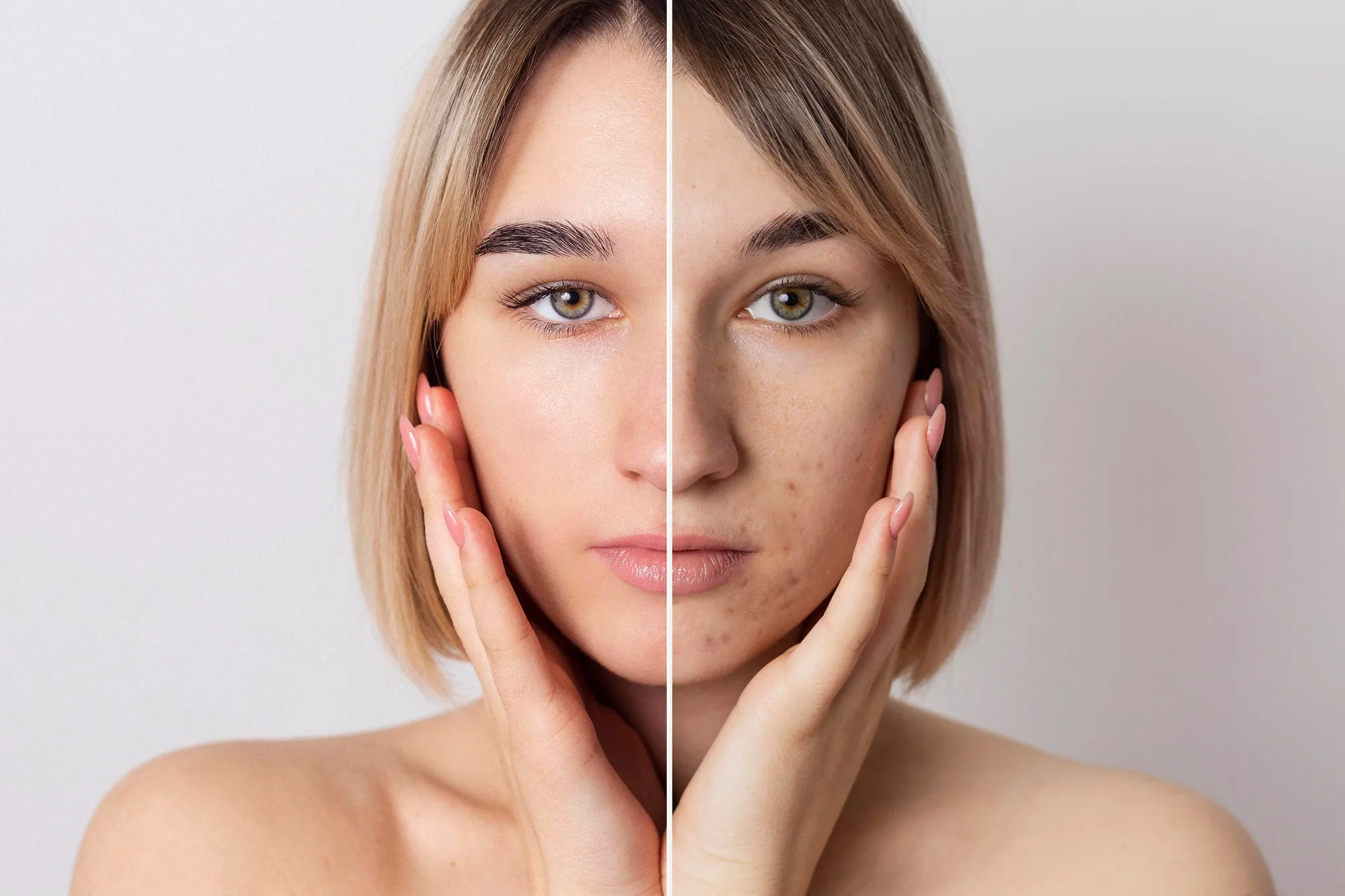
Have you ever looked in the mirror and noticed patches of darker skin that weren't there before? Maybe it started with one stubborn dark spot after a pimple healed, or gradually your cheeks began looking uneven. Hyperpigmentation is one of the most common skin concerns for people in India, and it's also one of the most misunderstood.

The problem is that most people spend months — sometimes years — trying different creams, fairness serums, and home remedies without seeing much change. That's because hyperpigmentation is not a simple surface issue. Effective treatment begins with identifying its underlying cause and choosing the right solution. If you're looking for pigmentation treatment in Noida, understanding your condition is the first step toward achieving clearer, more even-toned skin.
What Is Hyperpigmentation?
Hyperpigmentation is a condition in which certain areas of the skin become darker than the surrounding skin due to excess production of melanin, the pigment responsible for skin color.
The most common types include:
- Sunspots (Age Spots): Caused by prolonged sun exposure.
- Melasma: Brown or greyish patches commonly found on the cheeks, forehead, upper lip, and chin, often triggered by hormonal changes.
- Post-Inflammatory Hyperpigmentation (PIH): Dark marks left behind after acne, eczema, burns, or skin injuries.
- Freckles: Small, flat pigmented spots that become darker with sun exposure.
Although these conditions all involve excess pigmentation, each has different causes and therefore requires a personalized treatment approach.
Why Is Hyperpigmentation So Common in India?
People with medium to darker skin tones are naturally more prone to hyperpigmentation. Indian skin has higher amounts of melanin, which means any kind of inflammation, sun exposure, or hormonal shift can trigger overproduction of this pigment quite easily.
Add to this the pollution levels in cities like Noida, the intense UV exposure throughout most of the year, and the hormonal changes that come with PCOS, pregnancy, or stress—and it becomes clear why so many people here deal with uneven skin tone on a regular basis.
What Doctors Actually Recommend for Hyperpigmentation
When you visit a dermatologist for pigmentation concerns, they don't just recommend one product and send you on your way. They assess your skin type, the type of pigmentation you have, how deep it goes, and what's causing it before suggesting any treatment. Here's a look at the approaches that are backed by dermatology:
1. Prescription Topical Creams
For mild to moderate hyperpigmentation, dermatologists often start with prescription-strength topical agents. These may include ingredients like hydroquinone, kojic acid, azelaic acid, retinoids, or niacinamide in specific concentrations that are not available in over-the-counter products. These creams work by slowing down melanin production and encouraging skin cell turnover. They take a few weeks to show results but are effective when used consistently and correctly.
2. Chemical Peels
Chemical peels are one of the most commonly recommended clinical treatments for pigmentation. A controlled solution is applied to the skin, which removes the top layer of dead and damaged skin cells. As the skin heals, it looks brighter and more even-toned. Peels vary in strength — from light peels that need no recovery time to medium-depth peels that may cause some redness and peeling for a few days. At Arcane Clinics, both mango brightening peels and pumpkin peels are available, which are particularly effective for pigmentation without being too harsh on Indian skin.
3. Q-Switched Laser Treatment
For pigmentation that doesn't respond to creams or peels, laser treatments are often the next step. The Q-Switched laser is specifically designed to target melanin deposits in the skin. It delivers short, precise bursts of energy that break down pigment particles, which are then gradually cleared by the body's natural processes. It works well for stubborn spots, sun damage, and even post-acne marks. The treatment is safe, requires minimal downtime, and is suitable for most skin types when done under proper supervision.
4. Skin Lightening Mesotherapy
Mesotherapy involves microinjections of a custom-made blend of vitamins, antioxidants, and depigmenting agents directly into the skin. This method helps from the inside out, encouraging cells to produce less melanin while improving overall skin health and glow. It is a good option for people who have widespread uneven skin tone rather than isolated dark spots.
Who Is a Good Candidate for Pigmentation Treatment?
You may benefit from clinical pigmentation treatment if:
- You have dark spots or patches that have not faded on their own for months
- Over-the-counter creams have made little to no difference
- Your pigmentation is linked to hormonal causes like PCOS or pregnancy
- You have post-acne marks that are affecting your confidence
- You want faster and more reliable results than home remedies can offer
It is always better to get a proper evaluation before starting any treatment, since treating the wrong type of pigmentation with the wrong method can sometimes make things worse.
What to Expect During and After Treatment
Most pigmentation treatments at a dermatology clinic are comfortable and don't require you to take time off work. Here's a rough idea of what the process looks like:
- Consultation: The doctor examines your skin, asks about your medical history and daily routine, and recommends a treatment plan
- Treatment Sessions: Depending on the treatment, you may need anywhere from three to eight sessions, spaced about three to four weeks apart
- Aftercare: you'll be advised to use sunscreen religiously, avoid direct sun exposure, and follow a simple skincare routine at home
- Results: most patients see visible improvement within four to six weeks of starting treatment, with better results appearing as sessions continue
Daily Habits That Help Prevent Pigmentation
While clinic treatments do the heavy lifting, a few daily habits make a big difference:
- Use a broad-spectrum sunscreen of SPF 30 or higher every single day, even indoors
- Avoid picking at pimples or scratching the skin, as this triggers post-inflammatory pigmentation
- Use gentle, fragrance-free products that don't irritate the skin
- Eat a diet rich in vitamins C and E, which support skin repair
- Stay hydrated and try to manage stress levels, since hormonal fluctuations directly affect pigmentation
Are Pigmentation Treatments Safe?
Pigmentation treatments are generally safe when performed by qualified dermatologists. However, there are a few things to be aware of:
- Chemical peels and lasers can cause temporary redness, mild swelling, or increased sensitivity to sunlight for a few days
- Without proper sun protection, pigmentation can return or worsen after treatment
- Self-treating with strong bleaching products or unknown creams can cause chemical burns or make pigmentation worse—always consult a doctor first
Why Choose Arcane Clinics for Pigmentation Treatment in Noida?
If you have been looking for reliable pigmentation treatment in Noida, Arcane Clinics in Sector 18 is a name worth knowing. Led by Dr. Radha Sharma, the clinic follows a personalized approach where each patient's skin is assessed individually before any treatment is recommended.

As one of the trusted options when people search for the best skin clinic in Noida, Arcane Clinics uses proven, medically backed treatments—from chemical peels and Q-switched laser therapy to mesotherapy—in a clean, well-equipped setup. The focus is always on treating the root cause of pigmentation rather than just the surface appearance, which is what makes a lasting difference.
Sessions are priced transparently, and the team makes sure patients understand every step of the process before they begin. You can learn more or book an appointment by visiting Arcane Clinics
Conclusion
Hyperpigmentation is a common skin concern, but it doesn't have to be permanent. With the right diagnosis, advanced dermatological treatments, and consistent sun protection, significant improvement is possible.
If you're searching for effective pigmentation treatment in Noida, schedule a consultation at Arcane Clinics. Dr. Radha Sharma will evaluate your skin, identify the underlying cause of pigmentation, and recommend a personalized treatment plan tailored to your skin type and concerns.

Take the first step towards clearer, healthier, and more radiant skin by booking your consultation today.