Creating waterproof products requires more than simply choosing the right materials. It involves thoughtful engineering, proper sealing methods, and precise manufacturing techniques. Products used in outdoor environments or exposed to moisture must be designed to prevent water from entering and damaging internal components. Industries such as consumer electronics, automotive, medical, and industrial manufacturing rely on waterproof injection molded parts to improve product durability, performance, and safety.
Injection molding provides manufacturers with the ability to produce complex plastic components that support reliable waterproof designs. From selecting moisture-resistant materials to using advanced sealing techniques, every stage of the design process contributes to the final product's performance.
If you're looking for additional insights into waterproof injection molding, visit this detailed guide from Om Raj Tech:
https://omrajtech.com/designing-waterproof-products-using-injection-molded-components/
What You'll Learn in This Guide
This article covers the essential aspects of designing waterproof products with injection molded components, including:
- Selecting plastic materials that resist moisture and environmental exposure.
- Understanding sealing methods such as overmolding, ultrasonic welding, gaskets, and O-rings.
- Designing molded components that improve water resistance.
- Testing products using industry-recognized waterproof standards.
- Exploring common applications across multiple industries.
Why Waterproof Design Is Important
Waterproofing helps protect products from moisture, dust, chemicals, and other environmental contaminants. Without proper protection, water can damage sensitive components, reduce product life, and affect overall performance.
Consumer Electronics
Modern electronic devices such as smartphones, smartwatches, wireless earbuds, and portable speakers require sealed plastic housings to protect internal circuits from water, humidity, and dust.
Automotive Components
Many automotive systems operate in challenging environments where they are exposed to rain, mud, road salt, and chemicals. Waterproof housings protect sensors, lighting systems, connectors, and electronic control units, ensuring long-term reliability.
Medical Equipment
Medical devices often undergo frequent cleaning and sterilization while also coming into contact with liquids. Waterproof enclosures help maintain hygiene, protect sensitive electronics, and improve product reliability in healthcare settings.
Outdoor and Industrial Products
Outdoor lighting, monitoring equipment, handheld tools, and industrial control systems are regularly exposed to harsh weather conditions. Effective waterproofing protects these products from rain, humidity, dirt, and other contaminants, helping them perform reliably in demanding environments.
Choosing the Right Materials for Waterproof Injection Molded Parts
Material selection is one of the most important factors in waterproof product design. The ideal material should resist moisture, maintain its mechanical properties over time, and perform well under changing environmental conditions.
Thermoplastic Elastomers (TPE)
TPE offers excellent flexibility and water resistance, making it an ideal material for seals, gaskets, and overmolded components. It maintains sealing performance even after repeated compression.
Polypropylene (PP)
Polypropylene is widely used because of its excellent moisture resistance, lightweight properties, and chemical durability. It is commonly found in waterproof containers, housings, and industrial equipment.
Polycarbonate (PC)
Polycarbonate combines high impact strength with excellent transparency, making it suitable for protective covers, transparent enclosures, and applications requiring both durability and water resistance.
Nylon (PA)
Nylon provides outstanding strength and durability while offering good resistance to moisture. It is commonly used in automotive and industrial applications where components must withstand demanding operating conditions.
Waterproof Sealing Techniques for Injection Molded Products
Even when high-quality plastic materials are used, waterproof performance largely depends on how the individual components are sealed during assembly. Proper sealing methods prevent water, dust, and other contaminants from entering the product, ensuring long-term reliability.
Below are some of the most effective sealing techniques used in waterproof injection molded products.
1. Overmolding
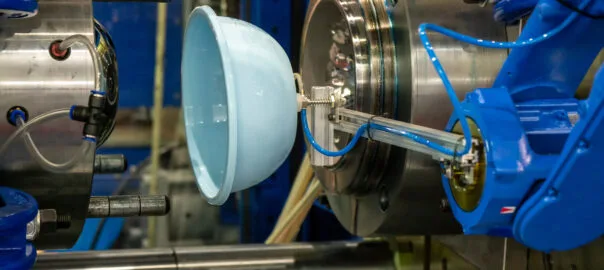
Overmolding is one of the most reliable methods for creating waterproof plastic components. This process involves molding a soft, flexible material—such as a thermoplastic elastomer (TPE)—over a rigid plastic substrate.
The soft material forms a secure bond with the base component, creating a continuous seal around joints, connectors, buttons, and other areas that are vulnerable to water intrusion.
Benefits of overmolding include:
- Excellent waterproof sealing
- Improved grip and user comfort
- Better shock and vibration resistance
- Enhanced product appearance
- Fewer assembly steps
This technique is commonly used in wearable electronics, automotive connectors, industrial sensors, and handheld devices.
2. Gaskets and O-Rings
Gaskets and O-rings remain among the most widely used sealing solutions for waterproof products. These components are manufactured from flexible materials such as silicone, rubber, or TPE and are installed between mating parts to create a compression seal.
When the product is assembled, the gasket compresses and blocks water from entering the enclosure.
They are frequently used in:
- Consumer electronic housings
- Automotive electrical systems
- Medical equipment
- Industrial control panels
- Outdoor lighting fixtures
Selecting the correct gasket material and compression level is essential for maintaining consistent waterproof performance throughout the product's life.
3. Ultrasonic Welding
Ultrasonic welding permanently joins two plastic components using high-frequency vibrations and pressure. Instead of using adhesives or mechanical fasteners, this process melts the contact surfaces and fuses them together.
The result is a clean, durable, and waterproof joint with excellent structural integrity.
Advantages include:
- Strong and permanent seal
- Fast production cycle
- No adhesives or solvents required
- High manufacturing consistency
- Excellent protection against moisture
Ultrasonic welding is commonly used in consumer electronics, automotive parts, battery housings, and medical devices.
4. Heat Staking
Heat staking is another effective joining process used when waterproof assemblies require secure fastening. During this process, plastic posts are softened using heat and reshaped to lock two components together.
Heat staking provides reliable mechanical strength while reducing the need for screws or additional hardware.
Applications include:
- Electronic enclosures
- Waterproof battery compartments
- Automotive control modules
- Plastic instrument housings
Best Practices for Effective Waterproof Sealing
Successful waterproof product design requires more than choosing the right sealing method. The overall product design must also support long-term sealing performance.
Design Smooth Parting Lines
Injection molded components naturally include parting lines where the mold halves meet. These areas can become potential leak paths if they are poorly designed.
Whenever possible:
- Minimize exposed parting lines.
- Keep sealing surfaces smooth and consistent.
- Position parting lines away from areas exposed to water.
Proper mold design significantly improves waterproof performance.
Use Compression Seals Correctly
Products exposed to changing temperatures, vibration, or pressure should incorporate compression seals such as O-rings or molded gaskets.
Proper compression helps maintain sealing effectiveness even after years of repeated use.
Examples include:
- Automotive sensors
- Marine equipment
- Outdoor communication devices
- Industrial monitoring systems
Design Features That Improve Waterproof Performance
Injection molded components can include several built-in design elements that naturally improve water resistance without increasing manufacturing complexity.
Snap-Fit Connections
Snap-fit assemblies eliminate many of the screws and fasteners that can create additional openings for moisture.
Benefits include:
- Faster assembly
- Lower manufacturing costs
- Reduced leak paths
- Cleaner product appearance
Snap-fit designs are widely used in:
- Smart devices
- Consumer electronics
- Battery covers
- Outdoor equipment
Living Hinges
Living hinges are thin, flexible sections molded directly into plastic components that allow repeated opening and closing without separate hardware.
Because there are no mechanical joints, living hinges help maintain a continuous waterproof enclosure while reducing assembly requirements.
Common applications include:
- Protective covers
- Waterproof storage containers
- Medical equipment
- Industrial enclosures
Reinforcing Ribs
Structural ribs increase the rigidity of plastic housings without significantly increasing material usage.
Greater structural stability helps maintain gasket compression and prevents enclosure deformation under pressure.
Ribs are particularly valuable for products operating in:
- Underwater environments
- High-pressure conditions
- Heavy industrial settings
- Outdoor installations
Drainage Features
Not every product is designed to be completely waterproof. In some applications, allowing controlled water drainage is the better solution.
Adding drainage channels or weep holes helps:
- Prevent standing water
- Reduce corrosion
- Improve ventilation
- Extend product lifespan
Drainage features are commonly incorporated into outdoor lighting, electrical enclosures, and industrial equipment.
Proper material selection, advanced sealing methods, and intelligent design features work together to create durable waterproof injection molded products. By combining these engineering principles, manufacturers can deliver reliable products capable of performing in demanding environments.
For additional information on waterproof injection molding solutions and design expertise, visit Om Raj Tech:
https://omrajtech.com/designing-waterproof-products-using-injection-molded-components/