
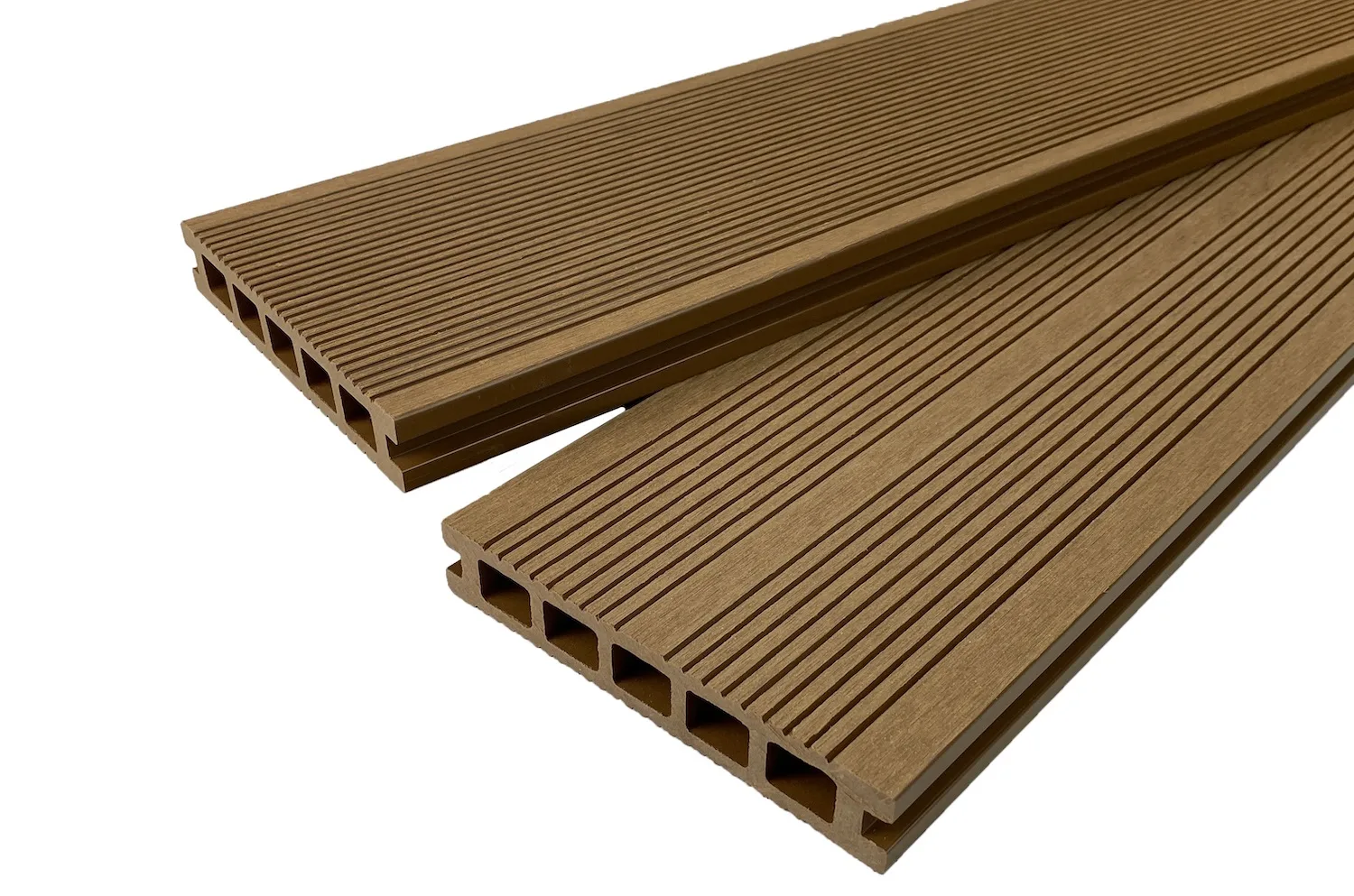
Outdoors, footpaths near water, city parks, shopping areas – spots like these need materials that hold up year after year. Wooden ones used to be standard, sure, yet rotting planks and splintered edges pop up too fast. Now, mix-material decking shows real promise, built tough without sacrificing how it looks. Not screaming for repairs every few seasons, either. For town planners laying trails or homeowners linking garden corners, this newer option holds steady through rain, sun, and even salt spray. Strength sticks around, appearance stays clean, and upkeep drops way down.
Composite Boardwalks Explained?
Wood fibres mix with recycled plastics to form the base of composite boardwalks. These engineered decks look like real timber yet handle dampness far better. Moisture rarely causes trouble, nor do bugs find much appeal here. Built tough, they stand up well when weather turns rough. Little maintenance keeps them going season after season.
Out near the shore, you’ll spot composite boardwalks underfoot – tough enough to handle salt spray plus constant walking. Parks lean on them just as much, thanks to how they resist rot when wet. Resorts choose these paths because spills, sand, and rain won’t wear them down fast. Even busy plazas use them where crowds pass every day. Water splashing around? Feet pounding by the hundreds? That’s exactly where this material holds up best.
Composite boardwalks last longer, resist weather and need less maintenance.
What stands out about composite boardwalks? Minimal upkeep tops the list. Wood from trees needs constant care – staining, sealing, repainting – but these don’t. Over years, that adds up. Big projects feel it most in savings.
What stands out next is how long they last. Unlike regular wooden walkways, these mixes won’t split, bend, or break easily – problems that pop up often with older styles. Because of this, people walking on them face fewer hazards, while upkeep spending drops over time.
Out in the sun, soaked by rain, or stuck in muggy air – these walkways hold up just the same. Their shape stays true; their look doesn’t fade, no matter the weather rolling through.
Aesthetic Appeal With Design Flexibility
Wood-like looks show up in today’s synthetic paths, shaped with varied tones, surfaces, roughness or smoothness. Performance stays strong even while chasing that earthy vibe, thanks to smart makeup behind the scenes. Rustic trails through green spaces? Sharp city strolls by glass towers? Each setting finds its match in these adaptable builds. Different buildings breathe easier when walks blend instead of clash.
Uniform results show up easily on big builds, thanks to these helping keep every section looking smooth and matched along extended walkways.
Composite Boardwalks Versus Natural Wood
Though composite walkways come with several benefits, weighing them against real wood is worth considering. Real timber brings something unique – genuine texture, organic lines, that softness beneath your feet you can’t fake. Still, keeping it looking good means regular upkeep; skip care now and then problems often show up later.
Still, composites offer ease and lasting performance – yet they often miss the warmth of genuine timber. When a project leans into nature-inspired looks or eco-conscious choices, solid wood substitutes hold strong appeal.
Sustainability Considerations
Some walkways made from composite rely on reclaimed stuff, which sounds green at first glance. Yet how they're built or tossed out later shifts widely between makers. Trees cut with care bring back growth over time, breaking down naturally when worn. Though processed planks reuse waste, their lifecycle isn’t always clean. Wood from well-managed forests returns to earth without lasting harm.
Out back where weather beats down hard, black locust stands tall without help from lab-made shields. This timber laughs at decay thanks to what nature packed inside. Bugs bounce off it like walls. Walkways built from it hold firm year after year, untouched by synthetic dips or soaks. Rot just quits when faced with this grain. Sustainability sneaks in through strength, not promises.
Performance in High Traffic Areas
Walking through parks or along the water, people step on surfaces built to last. Where crowds pass daily, these composite pathways hold up without cracking or rotting. Tougher than old wood or concrete in some ways, they survive seasons of rain, sun, and constant movement. Over time, that means fewer repairs, less cost, and steady performance where it matters most.
Still, when strength matters most, woods such as black locust handle heavy loads better than many alternatives. Matching how something looks with how it works helps land on a solid choice.
Cost and Long-Term Value
Spending more at first on a composite walkway? True, it can cost above certain wooden kinds. Yet here's what happens: upkeep drops way down after that. Sealing every few seasons? Gone. Patching split boards? Rare now. Over years, those saved tasks add up quietly – balancing the early price without fanfare.
Still, some tough hardwoods pay off big time over years because they simply do not wear out. Take Black Locust Lumber – it's heavy-duty hardwood that picks up where others quit, holding firm for decades. Because it sticks around so long, dollar by dollar, it lines up tight against fake decking stuff when counting real costs.
Choosing the Right Material
Choosing one over the other comes down to what matters most for your build. When keeping upkeep minimal and looks consistent ranks high, go with composite. A preference for organic beauty, eco-friendly sourcing, and durability that lasts decades leans toward real timber.
Some creators mix the two, picking composites for ease while going with solid wood where looks matter most.
Final Thoughts
Out here, composite decking stands up well when things get busy underfoot. Moisture shows up often – yet it just shrugs it off. Where old-style timber would start to sag or rot after a season, this stuff holds its shape. Step by step, places that flood or fill with people tend to wear down lesser materials. Design options shift easily too – no need to force choices early on. Even years later, colours stay put without constant care.
Still, nothing beats the look of real hardwood when it comes to lasting appeal and eco-friendly performance. Because sources such as Black Locust Lumber exist, professionals in construction and design get durable wood that stands the test of time while caring for the planet. Yet quality remains steady where ethics meet craft.
What works best really comes down to what your project demands, how much you can spend, and keeping one eye on looks. Pick composite planks, go full timber, mix them up – going solid with materials pays off in durability. another quiet beauty outside that lasts.