
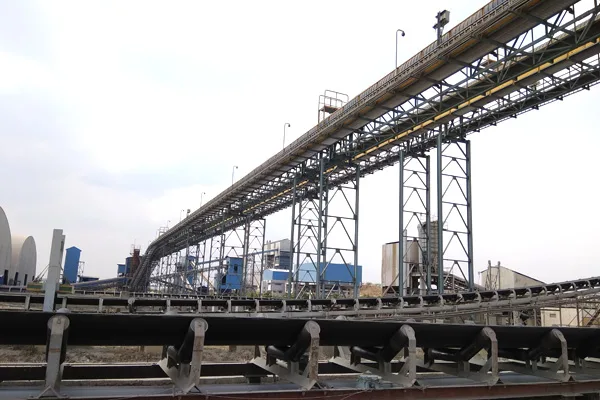
Conveyor Belts in the Cement Industry
The cement industry depends on both effective material handling systems and continuous operations to maintain uninterrupted production processes. The manufacturing process depends on conveyor belts which serve as the main equipment for moving raw materials,clinker and finished cement between different production stages. Conveyor belts provide a continuous system that moves bulk materials from limestone quarries to packaging units while decreasing manual work,operational expenses and equipment downtime.
Cement plants need to move limestone clay coal gypsum and clinker materials across extended distances while facing difficult environmental conditions. Conveyor belts provide a reliable and cost-effective solution to meet these demanding requirements.
Importance of Conveyor Systems in Cement Manufacturing
The cement industry depends on both effective material handling systems and continuous operations to maintain uninterrupted production processes. The manufacturing process depends on conveyor belts which serve as the main equipment for moving raw materials,clinker and finished cement between different production stages. Conveyor belts provide a continuous system that moves bulk materials from limestone quarries to packaging units while decreasing manual work and operational expenses and equipment downtime. Cement plants need to move limestone, clay coal gypsum and clinker materials across extended distances while facing difficult environmental conditions. Conveyor belts provide a reliable and cost-effective solution to meet these demanding requirements.
Key Requirements for Conveyor Belts in Cement Plants
Conveyor belts used in cement plants must withstand extremely harsh operating conditions. The system requires high abrasion resistance because it needs to handle limestone and clinker materials which create severe operational damage. Heat resistance is essential, especially in clinker handling where temperatures can exceed 200°C.Belts deliver high tensile strength to support heavy loads over extended distances. Fire-resistant properties are important in coal handling areas to ensure plant safety. The system requires moisture,chemical and dust resistance to maintain its durability and operational effectiveness.The selection of belts which possess these essential characteristics will provide dependable performance while minimizing equipment downtime and extending the operational life of the equipment.
Types of Conveyor Belts Used in Cement Industry
The cement industry utilizes various types of conveyor belts depending on material characteristics, temperature, and conveying distance.The following types of conveyor belts are commonly used in the cement industry.
Plain/Woven Conveyor Belts
Cement plants use plain and woven conveyor belts for their lightweight and moderate weight material transport tasks. These belts are constructed with multiple layers of fabric, such as polyester and nylon, which provide flexibility, strength, and impact resistance. The system is designed to move crushed limestone,gypsum and cement materials across distances that range from short to medium length. Woven belts possess strong trough ability features which enable smooth material movement, making them ideal for use in horizontal transport operations. The system offers a practical solution to internal plant operations because it maintains low operational costs while providing simple upkeep for facilities that do not face extreme heat and heavy loading conditions.
Chevron (V-Shaped) Conveyor Belts
Cement plants use Chevron (V-shaped) conveyor belts which transport materials on their inclined surfaces. The belt surface displays raised V-patterns which create extra grip to stop materials such as limestone, coal and clinker from sliding back during upward movement. The belts serve as optimal solutions for situations which need to convey materials at steep slopes in restricted spaces. Chevron belts create better material control which results in less spillage while boosting work efficiency.The products use strong rubber materials which protect against wear and provide better operational performance.
Heat-Resistant Conveyor Belts
Cement plants require heat-resistant conveyor belts to transport high-temperature clinker material which workers discharge from the kiln. The manufacturing process requires specialized rubber compounds which these belts use to create material that withstands temperatures from 150°C to above 250°C without any cracking or hardening or strength loss.It is exposed to constant heat, which is necessary for the material to retain both its structural and flexible properties. They protect equipment from premature wear, and reduce plant downtime due to repairs.Thus extending the operational life of heat resistant belts.These are essential for clinker transport due to their durability and thermal stability which ensures performance in the demanding environment of cement production while prolonging service life.
Steel Cord Conveyor Belts
Most of the cement plants used Steel cord conveyor belts for their capability to handle heavy loads over long distances. The belts achieve exceptional strength through their high-tensile steel cord reinforcement which engineers embedded within their rubber structure. The belts are used as perfect equipment to transport bulk materials from quarries to processing units, which includes transporting limestone and clinker. Steel cord belts maintain their impact resistance and durability because they endure extreme operating conditions.
PVC/PU Conveyor Belts
PVC and PU conveyor belts are typically used in specific areas of cement plants where lightweight material handling and clean operations are required.The belts are constructed from synthetic materials which provide flexible performance and a smooth surface finish and protection against oils,moisture and select chemical compounds. The packaging units and cement bag handling systems use these systems instead of transporting heavy raw materials. PVC/PU belts provide efficient movement of finished cement bags with minimal slippage and noise.It low maintenance requirements and hygienic surface properties make them suitable for controlled environments within the cement manufacturing process.
Best Practices for Conveyor Belt Maintenance
Cement plants require proper maintenance of conveyor belts to achieve dependable performance and extended operational life. The inspection process needs to be performed regularly to detect any signs of equipment wear,misalignment,cracks,material accumulation. The system requires correct belt tension and alignment maintenance to prevent equipment damage and operational productivity losses. The implementation of effective belt cleaning systems protects against material carry back while decreasing system damage.System stability improves through lubrication of moving parts and scheduled replacement of degraded components. The establishment of a preventive maintenance program leads to decreased equipment failures and reduced maintenance costs.
Regular Inspection and Cleaning
Cement plants need to perform regular inspections and cleaning procedures because these activities serve as essential requirements for maintaining conveyor belt operations.The team conducts visual inspections at regular intervals to detect problems which include belt misalignment,surface wear,cracks and damaged splices before these issues develop into severe breakdowns. The team verifies operational efficiency through idler,pulley and roller examinations which protect the belt from excess operational pressure.Workplace safety sees improvement through scheduled cleaning because it reduces spillage that occurs near the conveyor structure. The team maintains belt performance through regular inspection and cleaning activities which result in extended belt life and reduced unplanned operational interruptions.
Alignments, Tracking & Tensioning
Conveyor belts in cement plants require proper alignment together with tracking and tensioning operations to function at their best. The operation of conveyor systems breaks down when belt systems experience misalignment.This leads to material spills and destroys equipment through uneven wear and edge damage.The belt systems require regular tracking system inspections which need tracking system adjustments to maintain proper belt operation on pulleys and idlers.The correct tensioning process holds equal value because excessive tension causes mechanical components and the belt to experience stress while insufficient tension leads to slippage and efficiency loss.
Safety Measures and Downtime Prevention
The installation of effective safety systems functions as the essential method that protects workers from hazardous situations while stopping conveyor system accidents. The conveyor system requires emergency stop switches and pull-cord systems and safety guards as necessary equipment for protecting workers during their operational activities.
Future Trends in Conveyor Belts for Cement Industry
The future of conveyor belts in the cement industry is driven by three main factors which are automation,sustainability and improved operational efficiency.Smart conveyor systems equipped with sensors and IoT technology enable real-time monitoring of belt condition, temperature, alignment, and load performance.The implementation of predictive maintenance tools enables organizations to decrease unexpected breakdowns while they create better operational cost efficiency.Energy-efficient belt designs with low rolling resistance are gaining popularity to minimize power consumption.
Smart Conveyor Belts and IoT Integration
Smart conveyor belts integrated with IoT technology are transforming material handling in cement plants. Embedded sensors continuously monitor parameters such as belt tension, temperature, vibration, alignment, and load capacity. This current data is transmitted to centralized control systems, allowing operators to find out any defect earlier and take necessary action before failures occur. Schedule maintenance powered by data analytics helps to reduce sudden downtime and also maintenance costs.Remote monitoring also makes operational more transparency and decision-making efficiency. By integrating smart technologies, cement manufacturers can improve system reliability, extend belt lifespan, optimize energy consumption, and achieve higher levels of automation and productivity.
Eco-friendly and Energy-Efficient Designs
Modern cement factories require conveyor belt designs for energy-efficient and smooth material transport.This ultimately leads to lower power requirements for equipment operations through low rolling resistance belts.The use of advanced rubber compounds with lightweight materials enables operators to lighten their operational load without compromising strength and durability.
Conclusion
Conveyor belts are used as a basic thing for modern handling systems. This enables efficient material handling across every stage of cement plants operation.Choosing the right types of belt conveyors and applying installation methods with regular maintenance routines is fundamental for obtaining optimal efficiency.Modern conveyor systems are deployed with intelligent monitoring systems as well as sustainable technologies that help to improve reliability of product and reduce energy consumption.