
Introduction
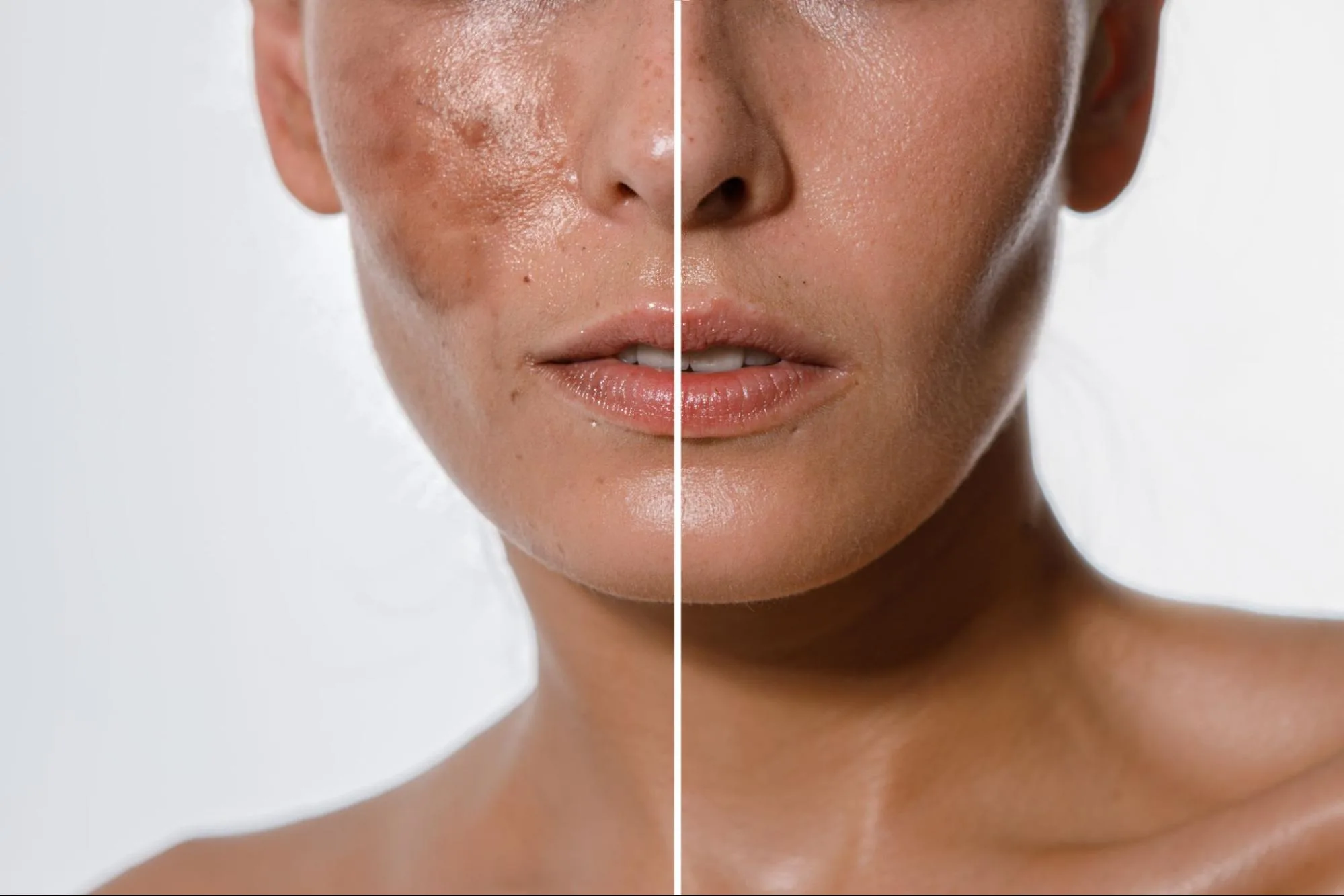
Skin pigmentation is one of the most common cosmetic concerns affecting people of all ages. Dark spots, uneven skin tone, and patches of discoloration can develop gradually or appear suddenly due to various internal and external factors. Although pigmentation is usually harmless, it can affect self-confidence and make individuals feel self-conscious about their appearance.
The color of our skin is determined by melanin, a natural pigment produced by specialized skin cells. When melanin production becomes uneven or excessive in certain areas, pigmentation disorders can occur. Factors such as sun exposure, hormonal changes, inflammation, genetics, and aging can all influence pigment formation.
Because pigmentation can arise from multiple causes, there is no single treatment that works for every individual. Effective management depends on identifying the specific type of pigmentation and selecting the most appropriate treatment approach. Modern dermatology offers numerous options that can help improve skin clarity and create a more even complexion.
Individuals considering pigmentation correction treatment in Noida often benefit from understanding the different forms of pigmentation and the available treatment options before beginning their skincare journey.
This guide explores common pigmentation disorders and explains the treatments that may help improve skin appearance and long-term skin health.
What Is Skin Pigmentation?
Skin pigmentation refers to the coloring of the skin created by melanin.
Melanin serves several important functions.
These include:
- Determining skin color
- Protecting against ultraviolet radiation
- Supporting skin defense mechanisms
When melanin production becomes uneven, pigmentation concerns may develop.
Common manifestations include:
- Brown patches
- Dark spots
- Uneven skin tone
- Localized discoloration
The appearance often varies depending on the cause and depth of pigment.
Why Pigmentation Develops
Several factors can contribute to pigmentation disorders.
Common causes include:
Sun Exposure
Ultraviolet radiation stimulates melanin production.
Hormonal Fluctuations
Hormones can influence pigment-forming cells.
Skin Inflammation
Acne and other skin conditions may leave residual discoloration.
Aging
Pigmentation often becomes more noticeable over time.
Genetic Factors
Some individuals are naturally more prone to pigmentation concerns.
Understanding the cause is essential for effective treatment planning.
Common Types of Pigmentation
Pigmentation disorders vary significantly in their appearance and causes.
Each condition requires individualized evaluation and management.
Melasma
Melasma is one of the most frequently encountered pigmentation disorders.
It usually appears as:
- Symmetrical patches
- Brown discoloration
- Facial pigmentation
Commonly affected areas include:
- Forehead
- Cheeks
- Nose
- Upper lip
Sun exposure and hormonal influences often contribute to its development.
Post-Inflammatory Hyperpigmentation
Post-inflammatory hyperpigmentation occurs after skin injury or inflammation.
Common triggers include:
- Acne
- Burns
- Allergic reactions
- Skin irritation
Dark marks remain after the original condition heals.
Freckles
Freckles are small pigmented spots that commonly appear on sun-exposed skin.
Characteristics include:
- Flat appearance
- Light brown coloration
- Increased visibility after sun exposure
Genetics often influence their development.
Sunspots
Sunspots, also known as solar lentigines, result from cumulative ultraviolet damage.
These spots often appear on:
- Face
- Hands
- Arms
- Shoulders
They become increasingly common with age.
Periorbital Pigmentation
Dark circles around the eyes may have multiple causes.
Potential contributors include:
- Genetics
- Allergies
- Sleep deprivation
- Aging
Treatment recommendations depend on the underlying cause.
Age-Related Pigmentation
As skin ages, pigment distribution may become less uniform.
Age-related pigmentation may include:
- Uneven skin tone
- Sun-induced discoloration
- Age spots
Long-term ultraviolet exposure often plays a significant role.
Diagnosing Pigmentation Disorders
Accurate diagnosis is essential because different pigmentation disorders require different treatment approaches.
Assessment may involve:
Medical History Review
Understanding contributing factors.
Skin Examination
Evaluating pigmentation characteristics.
Specialized Skin Analysis
Determining pigment depth.
Clinical Photography
Tracking treatment progress.
A thorough evaluation supports individualized treatment planning.
The Importance of Sun Protection
Sun protection remains one of the most important aspects of pigmentation management.
Excessive ultraviolet exposure can:
- Worsen pigmentation
- Trigger recurrence
- Slow treatment progress
Protective measures include:
- Daily sunscreen use
- Protective clothing
- Avoiding excessive sun exposure
Consistent protection supports long-term results.
Topical Treatment Options
Many pigmentation disorders respond to topical therapies.
Common treatment categories include:
Brightening Ingredients
Help regulate melanin production.
Antioxidants
Protect skin from environmental damage.
Skin Renewal Agents
Encourage healthy cellular turnover.
Hydrating Formulations
Support overall skin health.
Topical therapies often form the foundation of treatment plans.
Professional Treatment Options
When pigmentation persists despite skincare, professional dermatological procedures may be recommended.
These treatments are selected according to:
- Pigmentation type
- Skin type
- Severity
- Treatment goals
Professional assessment helps determine the most appropriate approach.
Chemical Exfoliation Procedures
Controlled exfoliation procedures can improve:
- Uneven tone
- Surface pigmentation
- Mild discoloration
The depth of treatment varies according to individual needs.
Microneedling
Microneedling stimulates skin renewal through controlled micro-injuries.
Potential benefits include:
- Improved texture
- Enhanced product penetration
- Reduction of certain pigmentation concerns
Treatment recommendations vary among patients.
Individualized Treatment Planning
Many patients benefit from consulting a skin doctor for pigmentation because pigmentation disorders often require customized treatment plans based on the underlying cause, pigment depth, skin type, and long-term skincare goals.
Individualized care helps improve both safety and effectiveness.
Modern Approaches to Pigmentation Management
Dermatology continues to evolve with newer technologies and treatment methods.
Modern management strategies may involve:
- Combination therapy
- Customized skincare
- Professional procedures
- Long-term maintenance plans
These approaches help address pigmentation more comprehensively.
Combination Therapy
Many pigmentation concerns respond best when multiple treatment methods are combined.
Examples include:
- Topical products
- Professional procedures
- Lifestyle modifications
- Sun protection
Combination strategies often produce better outcomes than isolated treatments.
Why Patience Matters
Pigmentation improvement generally occurs gradually.
Several factors influence results:
- Pigment depth
- Condition severity
- Treatment consistency
- Individual skin response
Realistic expectations help patients remain motivated throughout treatment.
Preventing Pigmentation Recurrence
Even after successful treatment, pigmentation may return if preventive measures are not maintained.
Prevention strategies include:
Consistent Sun Protection
A critical component of long-term management.
Proper Skincare
Supports healthy skin function.
Avoiding Skin Trauma
Reduces inflammatory triggers.
Professional Monitoring
Helps maintain results over time.
Preventive care plays a major role in long-term success.
Lifestyle Habits That Support Healthy Skin
Certain lifestyle choices may support pigmentation management.
Helpful habits include:
- Balanced nutrition
- Adequate hydration
- Quality sleep
- Stress management
Healthy skin often responds more effectively to treatment.
When to Seek Professional Evaluation
Professional assessment is recommended when pigmentation:
- Persists for extended periods
- Continues to worsen
- Covers large areas
- Does not improve with home care
Early intervention often supports better outcomes.
Importance of Choosing the Right Clinic
Successful pigmentation treatment depends on accurate diagnosis and individualized care.
Many patients choose Anugraha Skin & Laser Clinic because professional dermatological evaluation and customized treatment planning can help address the root causes of pigmentation while supporting long-term skin health.
Expert care often improves treatment predictability and patient satisfaction.
Common Myths About Pigmentation
Several misconceptions may create unrealistic expectations.
Pigmentation Can Be Eliminated Overnight
Most treatments require consistency and time.
All Pigmentation Conditions Are Identical
Different disorders require different management strategies.
Sunscreen Is Optional
Sun protection remains essential during and after treatment.
Understanding these facts helps patients make informed decisions.
Long-Term Skin Maintenance
Pigmentation management extends beyond initial treatment.
Long-term skin health often involves:
- Consistent skincare
- Daily sun protection
- Professional follow-up
- Healthy lifestyle habits
Ongoing maintenance supports lasting improvement.
Conclusion
Pigmentation disorders are among the most common skin concerns and can arise from multiple causes, including sun exposure, hormonal influences, inflammation, genetics, and aging. Because different forms of pigmentation require different treatment approaches, proper diagnosis remains essential for achieving meaningful and long-lasting results.
Individuals considering pigmentation correction treatment can benefit from professional evaluation and personalized treatment planning designed to address the specific causes of their skin discoloration. Consulting a qualified skin doctor for pigmentation can help ensure that treatment recommendations are tailored to individual skin characteristics and goals.
Receiving care from experienced professionals, such as those associated with Anugraha Skin & Laser Clinic, can support safer treatment decisions, realistic expectations, and healthier-looking skin over the long term.
Frequently Asked Questions
What causes pigmentation?
Pigmentation may develop due to sun exposure, hormonal changes, inflammation, genetics, or aging.
Can pigmentation be treated successfully?
Many pigmentation concerns can be improved with appropriate skincare and professional treatments.
How important is sunscreen during pigmentation treatment?
Sun protection is essential because ultraviolet exposure can worsen pigmentation and increase recurrence risk.
How long does pigmentation treatment take?
Results vary depending on the type of pigmentation, severity, and treatment approach.
Do all pigmentation disorders require the same treatment?
No. Different pigmentation conditions often require different management strategies and individualized care.
Source: chiguu.com