A home's foundation provides essential support for its walls, floors, and roof. When the foundation begins to shift, settle, or deteriorate, it can affect the stability of the entire structure. For homeowners in Arkansas, changing soil moisture, heavy rainfall, drainage problems, and soil movement can contribute to foundation issues over time. Recognizing early warning signs can help prevent minor concerns from developing into more extensive structural damage.
Understanding when to seek professional foundation repair Arkansas services can help homeowners protect their property's condition and long-term value. Although some cracks and minor settling are normal, persistent or worsening symptoms may indicate an underlying foundation problem that requires professional evaluation.
1. Cracks in Walls and Ceilings
One of the most noticeable signs of a potential foundation problem is the appearance of cracks in interior walls or ceilings. Small hairline cracks may result from normal building movement, changes in temperature, or the natural drying of construction materials. However, cracks that continue to widen, reappear after repairs, or develop alongside other structural changes deserve attention.
Diagonal cracks extending from the corners of doors and windows may indicate uneven structural movement. Horizontal cracks or significant stair-step cracks in masonry can also signal more serious concerns.
Homeowners should monitor the location, length, and width of existing cracks. If new cracks appear suddenly or become noticeably larger, a professional inspection can help determine whether foundation movement is responsible.
2. Doors and Windows That Stick
Doors and windows that suddenly become difficult to open or close may indicate changes in the alignment of a home's structural components. When a foundation settles unevenly, the framing around openings can shift, causing doors to stick, windows to jam, or locks to become difficult to operate.
Humidity, swollen wood, damaged hinges, and normal wear can also cause these problems. However, if several doors and windows develop similar issues at the same time, foundation movement may be one possible explanation.
Arkansas homeowners should pay attention to recurring alignment problems, especially when they occur alongside wall cracks, uneven floors, or gaps around window frames. Addressing the underlying cause is important before attempting repeated cosmetic adjustments.
3. Uneven or Sloping Floors
Floors that slope, dip, or feel uneven may indicate a problem with the foundation or the structural components supporting the home. Differential settlement occurs when one section of a foundation moves more than another, potentially changing the level of the floors above it.
Homeowners might notice furniture that no longer sits level, visible dips in flooring, or changes in how rooms feel when walking across them. In some cases, damaged floor joists or other structural issues may produce similar symptoms.
Because uneven floors can have multiple causes, professional evaluation is important to identify the source. If the condition is progressing or accompanied by other warning signs, a foundation specialist can assess whether stabilization or another repair method is appropriate.
4. Stair-Step Cracks in Brick or Masonry
Stair-step cracks often follow the mortar joints between bricks or concrete masonry blocks. These cracks can develop when different sections of a building move unevenly or when soil beneath the foundation loses its ability to provide consistent support.
In Arkansas, changes in soil moisture and drainage conditions may contribute to movement around residential foundations. Water accumulating near the house can also affect the supporting soil and increase the risk of certain foundation problems.
Not every stair-step crack indicates a severe structural issue. However, cracks that widen, extend across multiple masonry courses, or appear alongside other signs of movement should be inspected by a qualified professional.
5. Gaps Around Windows, Doors, and Exterior Walls
New gaps between window frames, door frames, baseboards, and surrounding walls can indicate that parts of a home are shifting. As the foundation moves, the building's framing may become misaligned, creating visible separations between materials that previously fit together.
Exterior warning signs may include gaps between brickwork and window frames, separation between sections of siding, or visible changes around attached porches and garages.
Some gaps develop because of aging materials or improper installation rather than foundation movement. Nevertheless, homeowners should investigate gaps that continue to grow or occur alongside other structural symptoms.
6. Water Pooling Around the Foundation
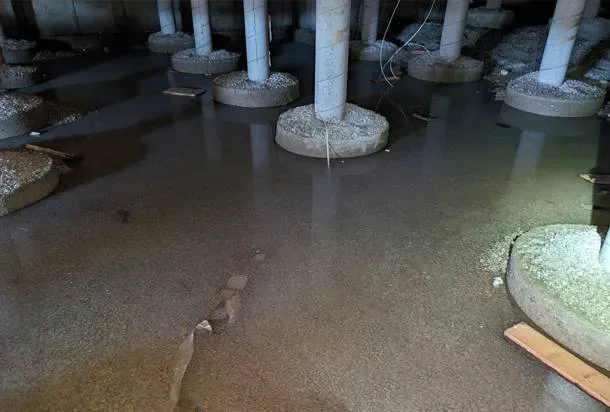
Poor drainage is an important concern for homeowners because excess water around a foundation can affect the surrounding soil. Heavy rainfall, clogged gutters, damaged downspouts, and improper yard grading may cause water to collect near the home.
Depending on the soil conditions, excess moisture can soften supporting soil, contribute to erosion, or increase pressure against basement and foundation walls. Uneven changes in soil moisture may also contribute to movement over time.
Homeowners can reduce certain risks by keeping gutters clear, directing downspouts away from the foundation, and maintaining appropriate grading. Persistent water accumulation should be addressed promptly, particularly when cracks or other signs of foundation movement are present.
7. Bowing or Cracking Basement Walls
Basement walls can develop cracks or begin moving inward when they experience pressure from surrounding soil. Soil saturation, drainage problems, and other site conditions may contribute to pressure against below-grade walls.
Horizontal cracks, inward bowing, or noticeable displacement can indicate a potentially serious structural concern. These conditions should not be treated as purely cosmetic problems, especially when movement is increasing.
A qualified foundation professional can assess the wall's condition, investigate contributing factors, and recommend suitable reinforcement or repair options. Significant or rapidly worsening wall movement warrants prompt professional attention.
What Causes Foundation Problems in Arkansas?
Several conditions can contribute to foundation movement and deterioration in Arkansas homes.
Changing soil moisture: Certain clay-rich soils expand when wet and shrink when dry. Repeated moisture changes can affect the support beneath a foundation.
Heavy rainfall and drainage issues: Water collecting around the property can contribute to soil erosion, saturation, and uneven ground movement.
Poor soil preparation: Soil that was not adequately compacted before construction may settle under the weight of the building.
Plumbing leaks: Underground leaks can introduce excess moisture or wash away supporting soil beneath parts of a structure.
Natural settlement and aging: Foundations may experience some settlement over time, while older materials may deteriorate or become less effective at supporting the building.
Identifying the cause is essential because an effective repair should address the underlying problem rather than only its visible symptoms.
When Should You Consider Foundation Repair in Arkansas?
Homeowners should consider a professional inspection when cracks continue to widen, floors become increasingly uneven, doors and windows repeatedly stick, or several warning signs develop together. Early evaluation can help distinguish normal building changes from more significant structural concerns.
The appropriate repair depends on the foundation type, the extent of movement, soil conditions, drainage, and the cause of the damage. Potential solutions may include engineered pier systems, foundation underpinning, wall reinforcement, or drainage improvements. Not every foundation problem requires the same method, and repairs should be based on a thorough assessment.
Avoid covering cracks or making cosmetic repairs before determining whether the underlying structure is still moving. If significant structural changes appear suddenly, seek professional advice promptly.
How Smouse Bros Can Help
Foundation concerns can affect a home's stability, comfort, and long-term value. Smouse Bros Foundation Repair & Waterproofing provides foundation repair services to homeowners in its Arkansas service areas, including Fayetteville, Rogers, Bentonville, Springdale, Harrison, and Mountain Home.
A professional assessment can help identify possible causes of foundation movement and determine which solutions may be suitable for the property. Addressing drainage concerns, understanding soil conditions, and choosing an appropriate repair method can help homeowners make informed decisions about protecting their homes.
Conclusion
Recognizing the common signs of foundation problems is an important step toward protecting an Arkansas home. Wall cracks, sticking doors, uneven floors, stair-step masonry cracks, exterior gaps, water pooling, and bowing basement walls can all indicate issues that deserve further investigation.
Although these symptoms do not always mean a foundation is failing, persistent or worsening changes should not be ignored. Professional foundation repair Arkansas services can help homeowners identify the source of the problem and determine the appropriate next steps. With timely evaluation and a solution suited to the property's needs, homeowners can work toward maintaining a stable foundation and protecting their investment.