Not every dancer wants to bare their toes on the ballroom floor, and for good reason. Closed-toe standard dance shoes offer protection, support, and a polished appearance that many dancers find indispensable, whether they are training for hours each week or stepping into a competition. Suphini has developed a thoughtful range of closed-toe models that address the practical needs of standard dancers while keeping the elegance the discipline demands. This article explores what makes these shoes worth considering and how to get the most from them.
Why Closed-Toe Designs Suit Standard Dancing
Standard ballroom places unique stresses on the feet, and closed-toe shoes respond to those stresses in ways open designs cannot. The waltz, foxtrot, and tango all involve backward steps, heel turns, and sustained pressure on the toes during rises, and a covered toe box shields the foot from friction against the floor and from knocks during crowded floor work. Dancers who suffer from sensitive toes, cold feet during long practice sessions, or a preference for greater modesty often find closed-toe shoes more comfortable from the first wear. There is also a practical training argument: closed shoes protect the foot during the repetitive drills that build technique, reducing the small injuries that interrupt progress.
How Suphini Builds Comfort Into Every Pair
Comfort in a closed-toe dance shoe is not simply a matter of adding padding, and Suphini approaches it with more sophistication. The toe box is shaped to give toes room to spread naturally without permitting the foot to slide forward during movement. Leather linings wick moisture away, keeping the foot dry through extended sessions, while the upper materials soften with wear and mold to individual foot shapes. Suphini also pays attention to seam placement, keeping stitching away from pressure points where rubbing would otherwise develop. The result is a shoe that feels supportive from the first wearing and improves over the following weeks, which is exactly what dancers logging serious practice hours need.
Stability Features That Support Proper Technique
Closed-toe standard shoes from Suphini incorporate stability features that help dancers maintain balance and control. The reinforced heel counter holds the foot securely during backward movements, preventing the slipping that undermines confidence in heel turns. A well-constructed shank supports the arch through rise and fall without making the shoe rigid, allowing the foot to flex naturally through each step. The sole is finished in quality suede that provides predictable glide, and the heel is positioned to encourage correct weight placement. Dancers often report that a stable closed-toe shoe makes it easier to trust their footwork, which in turn lets them commit more fully to the movement and presentation of each dance.
Style Considerations for Practice and Competition
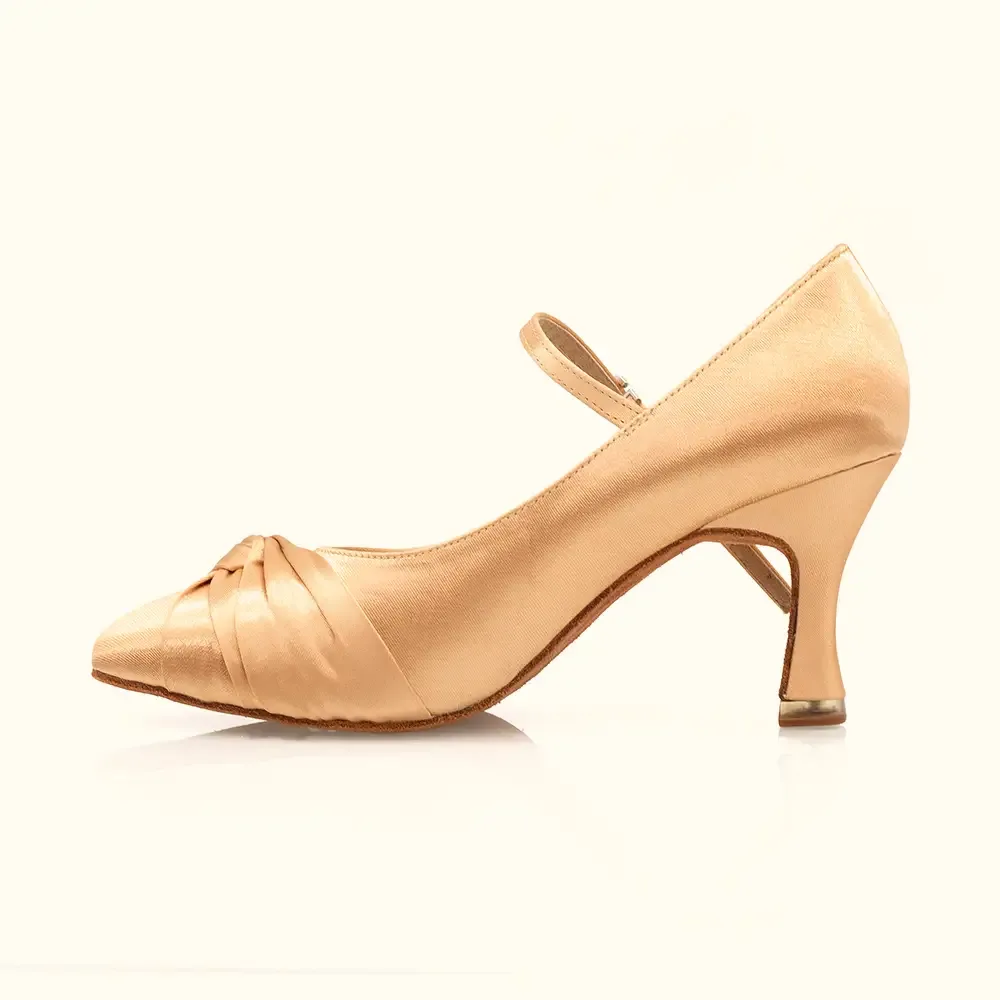
Style matters in ballroom dancing, and closed-toe shoes do not have to look utilitarian. Suphini offers closed-toe models in satin finishes that present beautifully under stage lighting, with clean lines that complement the leg and gown. For practice, leather versions offer a more understated look while delivering the same structural benefits. The closed toe can even be an advantage in presentation, providing a smooth, unbroken line along the foot that photographs well during competition. Dancers who prefer a more conservative aesthetic, or who dance in settings where open toes feel inappropriate, will find that Suphini's closed designs balance elegance and practicality without forcing a compromise.

Choosing Between Closed-Toe and Open-Toe Models
The decision between closed and open toes comes down to personal preference, foot sensitivity, and the demands of your dance schedule. Open-toe shoes offer ventilation and a traditional competition look, and many dancers love the freedom they provide. Closed-toe shoes, however, suit dancers with delicate skin on the toes, those who practice extensively in cold studios, and anyone who wants extra protection during rigorous training. Some dancers keep both types in their rotation, wearing closed shoes for practice and open designs for events. Trying a closed-toe Suphini model alongside your current shoes is the simplest way to judge whether the added coverage improves your comfort and confidence.
Sizing and Fit Advice for Closed Designs
Closed-toe dance shoes fit slightly differently from open designs, and Suphini's sizing guidance reflects this. Because the toe box encloses the foot fully, dancers should ensure there is a small amount of space at the front without the toes pressing against the shoe. Trying shoes later in the day, when feet are at their largest, gives the most accurate fit assessment, and wearing the tights or thin socks you normally dance in keeps measurements consistent. The instep should feel secure without pinching, and the heel should stay in place when you rise onto your toes. If you are between sizes, sizing up slightly is usually safer in a closed design, since the leather will mold but will not stretch dramatically in length.
Maintaining Closed-Toe Shoes for Long-Term Wear
Closed-toe shoes benefit from consistent care, and Suphini's models reward dancers who look after them. After each session, shoes should be aired to release moisture, and shoe trees help retain their shape. Suede soles need regular brushing to maintain glide, and leather uppers appreciate occasional conditioning to prevent cracking around the flex points. Satin models should be spot-cleaned gently and stored away from direct heat. Checking straps and stitching periodically catches small issues before they become failures during a lesson or competition. With this routine, a quality closed-toe pair will serve through many months of dancing, making the initial investment worthwhile.