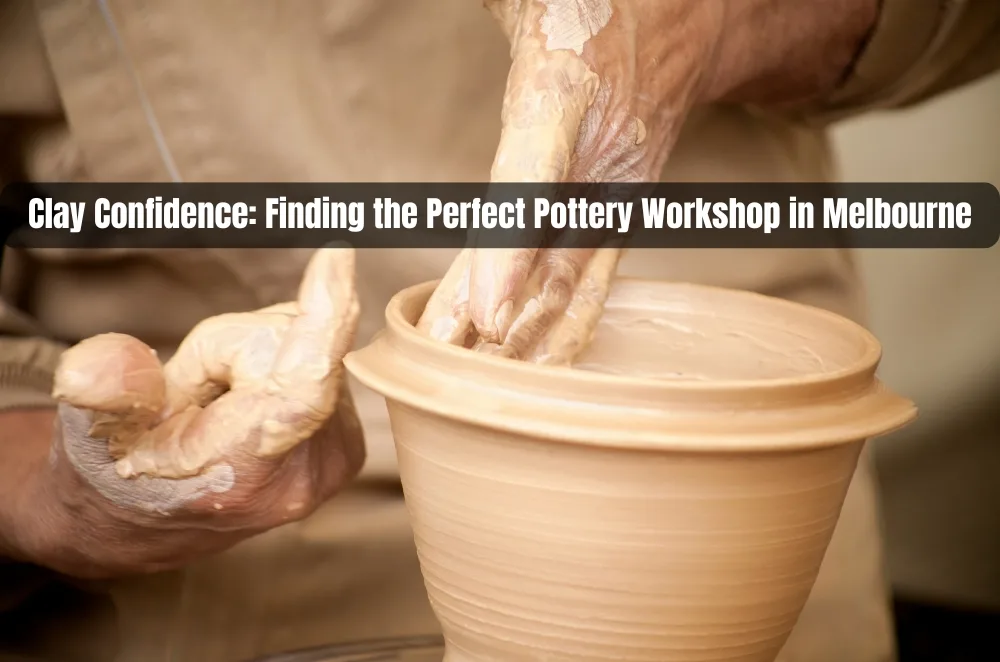
Melbourne’s art scene has always punched above its weight, but over the past few years one particular creative pursuit has been spinning into the spotlight: pottery. From Brunswick to Brighton, studios are filling up with beginners keen to centre their first lump of clay and seasoned makers chasing more advanced glaze techniques.
If you’re curious about signing up—whether for mindfulness, a side hustle, or simply to muddy your hands—choosing the right class can make or break the experience. Below, we look at why pottery is enjoying a revival, what defines a quality workshop, and how you can get the most from your very first session.
The Revival of Hands-On Crafts in a Screen-Heavy World
We swipe, tap and scroll more than ever, yet many of us crave a break from pixels. Craft-based hobbies offer that tactile relief, and pottery delivers it in spades—quite literally. Research published by the Australian Psychological Society notes that creative activities can reduce stress and improve mood. When you’re coaxing a lump of clay into a functional bowl, it’s almost impossible to doom-scroll at the same time.
Melbourne’s creative fabric also plays a part. Local markets, design fairs and community art hubs have normalised handmade goods. Owning—or better yet, making—a one-off coffee mug feels both personal and environmentally conscious.
Why Pottery Hits the Sweet Spot for Creativity and Wellbeing
- Full-Body Engagement: Throwing clay involves hand-eye coordination, subtle muscle control and core stability. It’s a mini-workout disguised as art.
- Mindful Flow State: The repetitive spin of the wheel encourages focus and calm, similar to meditation.
- Instant Feedback: Unlike digital design, clay tells you straight away if you’ve applied too much pressure or not enough water.
- Useful End Product: From keep cups to planters, you walk away with something practical—perfect for gift-giving season.
What to Look For in a Quality Pottery Workshop
Not all classes are created equal. Here are the main factors to consider before committing:
• Class Size and Instructor Attention
Small groups (ideally under 10 students) allow tutors to correct technique quickly, saving frustration later.
• Equipment and Materials
Check that the studio supplies good-quality wheels, trimming tools, and a range of glazes. Hidden material fees can add up, so ask what’s included.
• Structured Learning Path
Beginners need clear milestones—think wedging basics, cylinder throwing, trimming and glazing. Advanced courses should offer specialty topics like porcelain or crystalline glazes.
• Firing Schedule
A reliable kiln timetable means you aren’t waiting months to see finished work.
• Community and Studio Access
Some schools provide open studio hours, letting you practise independently between classes.
Melburnians often shortlist studios by word-of-mouth. If you’re looking for organised, small-group tuition with flexible studio access, reputable providers such as pottery workshops and courses in Melbourne offer clear pathways from absolute beginner to wheel-throwing wizard.
Practical Tips to Get More From Your First Class
- Trim Your Nails
Long nails create gouges in the clay and limit your ability to pinch and pull. Clip them the night before. - Wear Cotton, Not Polyester
Clay dust clings to synthetic fibres. Old cotton tees and an apron wash clean more easily. - Sit Close to the Wheel
Good posture reduces back strain and helps you apply even pressure. Your elbows should hover just above your thighs. - Embrace “Beginner Pots”
Your first pieces will wobble or slump. Keep them as a progress marker rather than a failure. - Ask Questions Early
Instructors can’t read minds. If your rim collapses, flag it straight away; the fix is usually minor.
When to Invest in Advanced Training or Your Own Studio Space
After a term or two, many students hit a plateau. Signs you’re ready for the next step include:
• Repeating the same shapes without challenge
• Wanting to mix your own glazes
• Eyeing off larger forms such as vases or dinner plates
Progression options could be a masterclass on surface decoration, a weekend raku firing, or a mentorship with an experienced potter. If your spare room is becoming a clay graveyard, consider hiring communal studio space before buying that $2k wheel. Shared environments keep costs down and expose you to different techniques.
Final Thoughts
Pottery combines creativity, mindfulness and practical output in a uniquely satisfying way. By vetting class size, equipment quality and the learning pathway, you’ll set yourself up for success—whether your goal is a handmade mug or a full dinner set. And remember, every master potter was once a beginner hovering nervously over their first spinning wheel.
FAQs
How much do beginner pottery classes cost in Melbourne?
Most six-week beginner courses range from $350 to $450, including clay and firing fees. One-off taster sessions start around $70. Prices can vary based on studio location and class size.
Do I need to bring my own tools?
Generally no. Studios supply basic trimming tools, bats and aprons. If you continue, you might invest in your own sponge, ribs and trimming set (around $30 total).
How long does it take to make a finished mug?
Expect roughly three sessions: throwing, trimming/adding a handle, and glazing. Final kiln firing can add an extra week or two depending on the studio’s schedule.
Is pottery suitable for children?
Many studios run kid-friendly classes during school holidays. Look for instructors with Working With Children Checks and sessions capped at shorter lengths to match attention spans.