Cast stone columns have long been a symbol of architectural beauty and durability. These columns, known for their classic appearance and structural strength, are a popular choice for both residential and commercial projects. In this article, we will explore what cast stone columns are, their benefits, applications, and how they compare to other column materials.
What Are Cast Stone Columns?
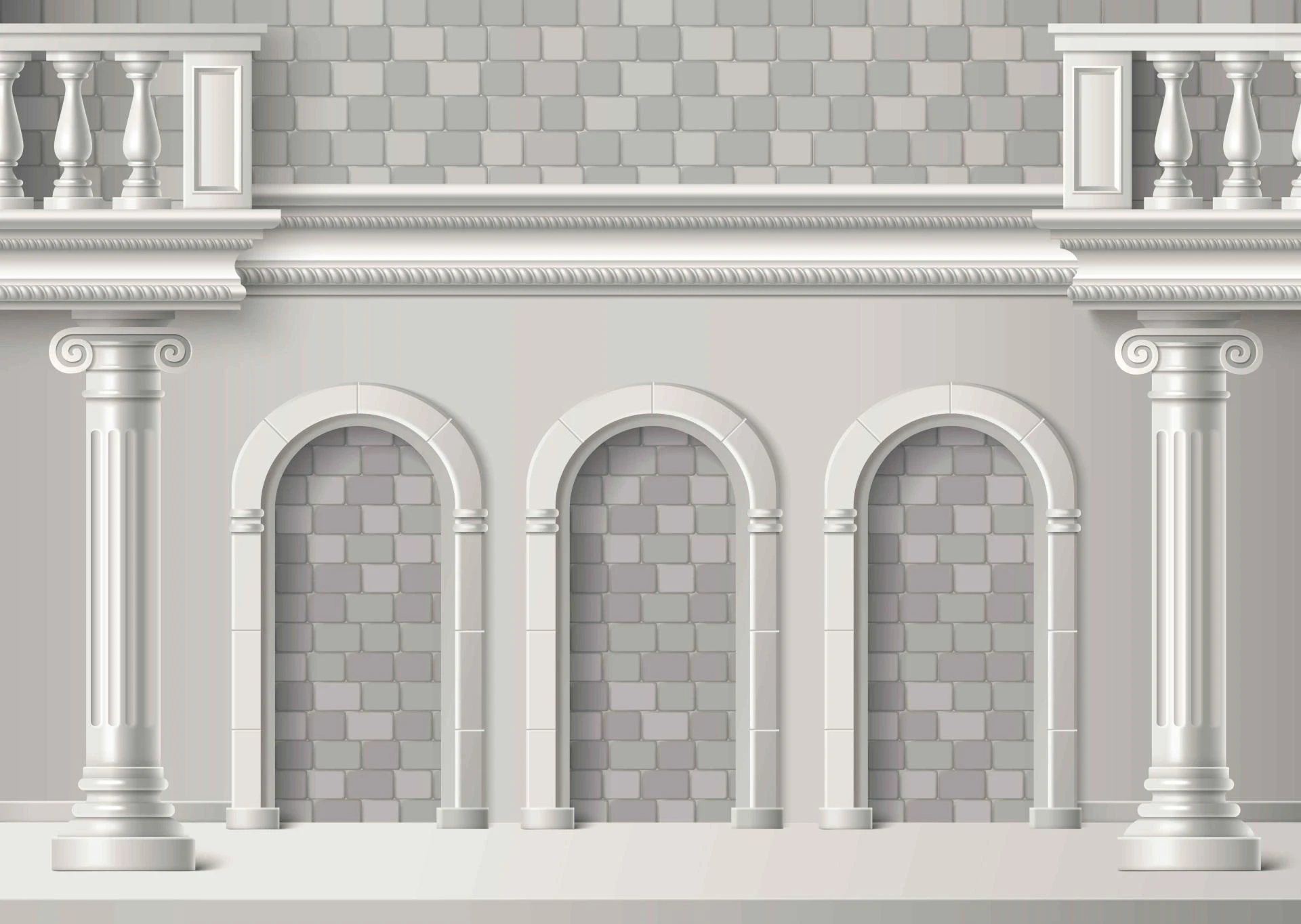
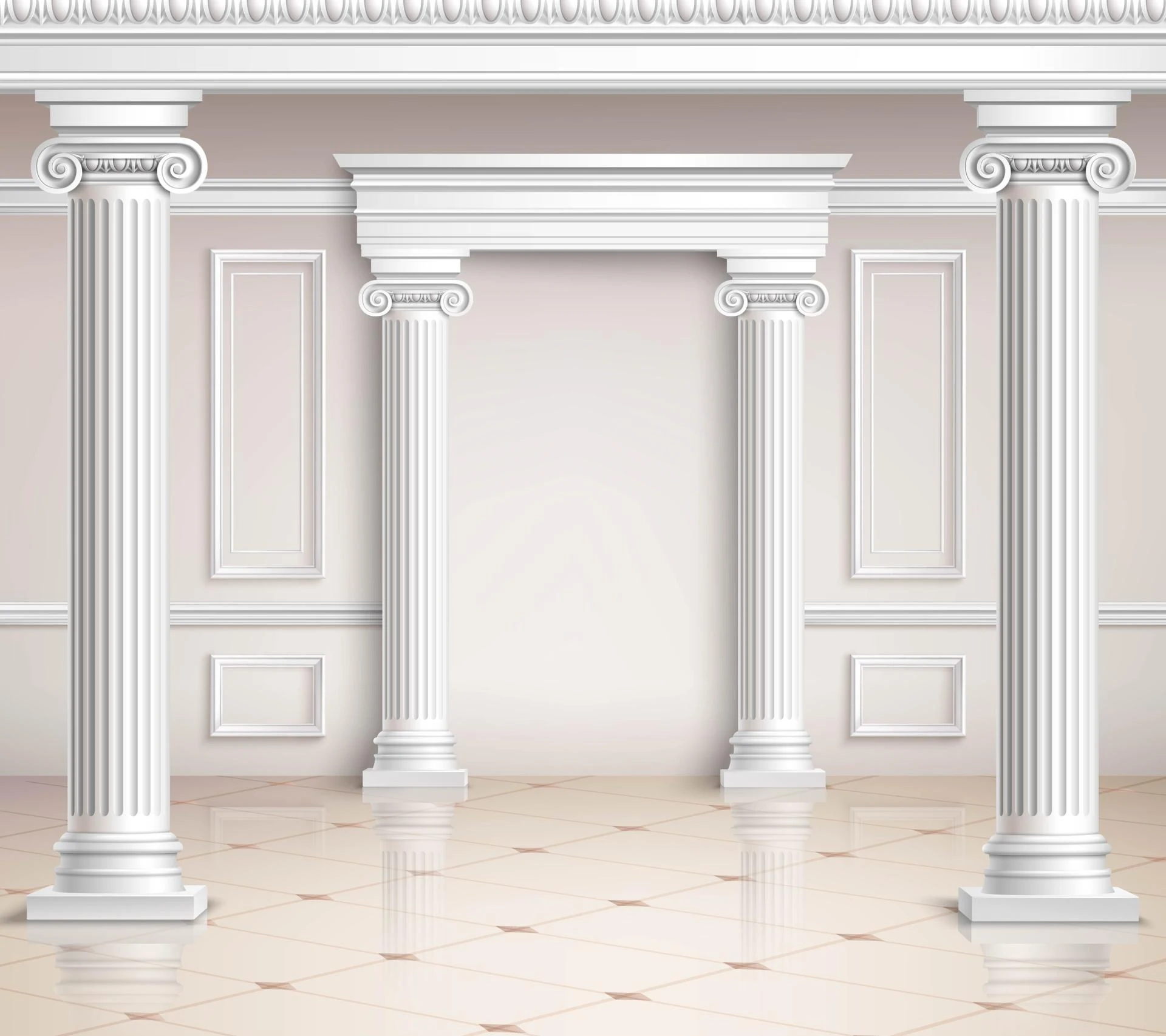
Cast stone columns are architectural elements made from a mix of natural aggregates, cement, and pigments. This mixture is molded into various shapes and sizes, creating columns that mimic the appearance of natural stone without the high cost. Cast stone has been used for centuries, dating back to ancient civilizations, and continues to be a favorite for its versatility and durability.
Benefits of Cast Stone Columns
1. Durability and Strength
Cast stone columns are incredibly strong and can withstand various weather conditions, making them ideal for outdoor use. They resist cracking, chipping, and other forms of damage.
2. Versatility in Design
These columns can be customized to match any architectural style, from classical to modern. They can be molded into various shapes, sizes, and decorative designs.
3. Cost-Effective
Compared to natural stone, cast stone is much more affordable while maintaining a similar aesthetic appeal. This makes it a cost-effective solution for both homeowners and commercial property developers.
4. Low Maintenance
Cast stone columns require minimal maintenance, only needing occasional cleaning to maintain their appearance.
Applications of Cast Stone Columns
Cast stone columns can be used in a wide range of applications, including
- Residential Homes: For porches, verandas, and entryways.
- Commercial Buildings: For grand entrances, lobbies, and facades.
- Landscaping: For garden features and outdoor structures.
- Restoration Projects: To replicate historical architectural elements.
Cast Stone Columns vs. Natural Stone Columns
While both cast stone and natural stone offer a classic look, there are key differences:
- Cost: Cast stone is significantly more affordable than natural stone.
- Customization: Cast stone offers greater design flexibility.
- Weight: Cast stone is lighter, making installation easier.
How to Choose the Right Cast Stone Columns
When selecting cast stone columns for your project, consider the following factors:
- Design Style: Choose a style that complements your property’s architecture.
- Size and Height: Ensure the columns are proportionate to the structure.
- Finish and Texture: Decide on a smooth or textured finish based on your aesthetic preference.
Installation of Cast Stone Columns
Proper installation is crucial for the longevity and performance of cast stone columns. It is recommended to hire experienced professionals who understand the correct installation techniques, including:
- Secure anchoring to the foundation.
- Proper sealing to prevent moisture damage.
- Regular inspections to ensure stability.
Maintenance Tips for Cast Stone Columns
To keep your cast stone columns looking their best:
- Clean them with a mild detergent and water as needed.
- Avoid using harsh chemicals that may damage the surface.
- Inspect for any signs of damage and repair promptly.
Enhancing Your Property with Cast Stone Columns
Adding cast stone columns can dramatically enhance the curb appeal of your property. They create an impression of grandeur and sophistication that is unmatched by other materials.
Conclusion
Cast stone columns are an excellent choice for those seeking a timeless and durable architectural feature. Their cost-effectiveness, versatility, and classic beauty make them a popular option for various projects. If you are looking for high-quality cast stone columns, consider exploring options from Melton Classics.