
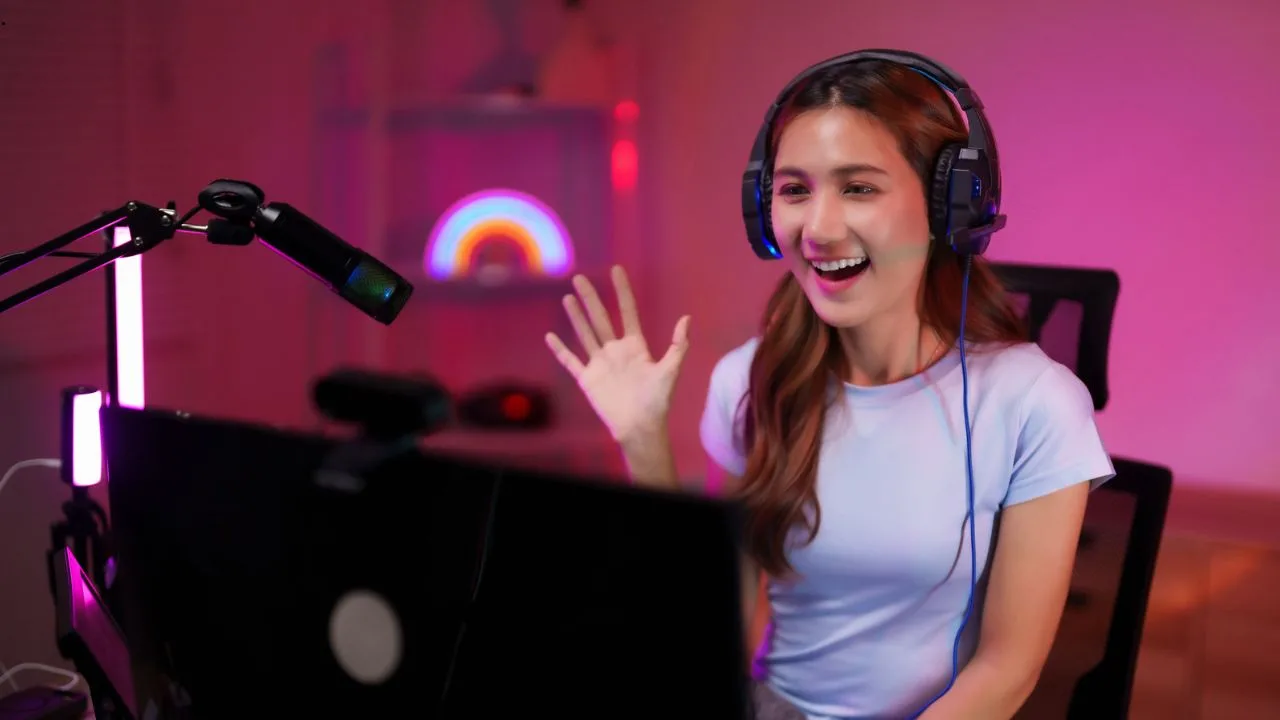
Live interactive streaming has fundamentally transformed how human culture, creative entertainment, and digital knowledge are shared across the internet. From gaming championships and technology keynote presentations to virtual workshops and spontaneous community broadcasts, millions of viewers gather daily in digital auditoriums to experience unscripted, real-time engagement. Yet, despite the instantaneous reach of modern fiber networks and cloud streaming pipelines, an invisible divide continues to fracture global audiences into isolated linguistic enclaves. When a dynamic creator in Tokyo, São Paulo, or Berlin goes live, the vast majority of international viewers are unable to follow spontaneous commentary, humor, and emotional nuances simply because spoken dialogue remains tied to a single native language.
For years, the standard workaround for international broadcasts relied on mechanical closed captions and machine-generated subtitle tracks scrolling frantically across the bottom of the display. While subtitles serve a practical role for prerecorded video libraries, they fail completely inside fast-moving live environments. Reading running text pulls the viewer gaze away from visual action, killing the immersive excitement of an intense gaming clutch, a rapid-fire product reveal, or an intimate community question-and-answer exchange. Furthermore, traditional text generation introduces awkward processing delays, causing translated captions to lag several seconds behind spoken remarks. In an interactive medium where real-time chat reactions and split-second comedic timing define engagement, text-based translation breaks the shared social rhythm that makes live streaming magical.
A profound technological breakthrough has arrived through low-latency generative speech synthesis and neural voice modeling. Pioneering this shift away from clumsy visual text, Palabra has re-engineered how live creators connect with international communities. By implementing a high-fidelity live stream translator directly into real-time broadcast pipelines, the platform enables creators to broadcast their voice across dozens of languages simultaneously without losing their unique acoustic identity. The speech architecture preserves the original speaker exact vocal timbre, conversational cadence, and emotional pitch, delivering localized voice tracks that sound authentic and alive rather than rigid or robotic. International viewers can listen to a broadcast naturally in their native tongue while remaining fully absorbed in the creator visual presence.
Achieving this seamless audio experience requires deep computational precision and sophisticated context retention. Live streams are characterized by rapid colloquialisms, gaming slang, technical terminology, and overlapping background music that easily confuse primitive translation models. Addressing this challenge demands adaptive language services capable of parsing dynamic modern vernacular, filtering acoustic noise, and delivering instantaneous translations with sub-second turnaround times. When global product launches, international esport tournaments, and cross-cultural creative panels stream across continents with zero linguistic delay, viewers from every corner of the world can participate, react, and bond within a unified digital commons.
The cultural resonance of frictionless voice translation extends far beyond viewer convenience into the future of digital community building. By removing linguistic gatekeeping, independent creators and emerging international platforms can instantly expand their audience into new continents without hiring expensive localization agencies or running delayed rebroadcasts. Platforms engineered by innovators like Palabra demonstrate that artificial intelligence can serve as a non-invasive bridge, amplifying authentic human expression rather than homogenizing it. The future of interactive media is inherently borderless, vocal, and interconnected, creating a global digital stage where authentic human connection translates seamlessly to everyone, everywhere.