
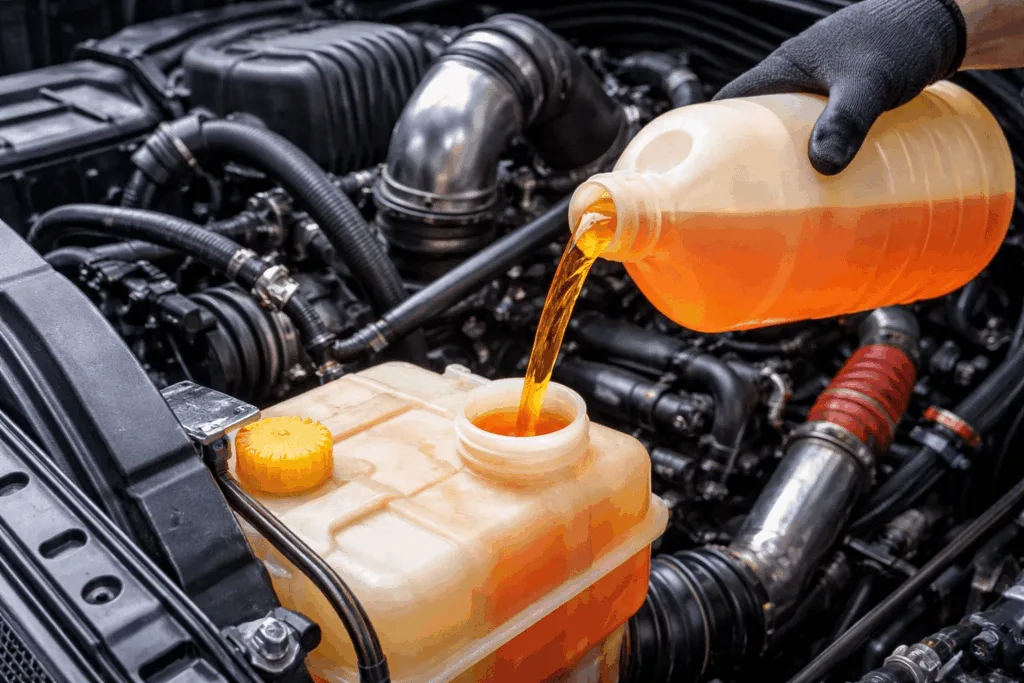
Blue diesel additives have become very popular among diesel vehicle owners and industries that use diesel engines every day. These additives are made to improve fuel quality, support cleaner engine performance, and help vehicles get better mileage. Many truck owners, generator operators, and heavy equipment users now use blue diesel additives as part of regular engine care.
Diesel engines work hard under different weather and road conditions. Over time, fuel systems can collect dirt, moisture, and carbon deposits. This can lower engine performance and increase fuel usage. Blue diesel additives are designed to reduce these problems and keep the engine running smoothly.
In this guide, you will learn how blue diesel additives work, their main benefits, and why they are useful for cleaner burn and better MPG.
What Is a Blue Diesel Additive?
A blue additive for diesel engines is a fuel treatment mixed with diesel fuel before or during fueling. It contains special cleaning and performance-supporting ingredients that improve the fuel combustion process inside the engine.
These additives are commonly used in:
- Trucks
- Diesel cars
- Construction machines
- Diesel generators
- Agricultural equipment
- Commercial fleets
The main purpose is to help diesel fuel burn more completely and cleanly.
How Blue Diesel Additives Work
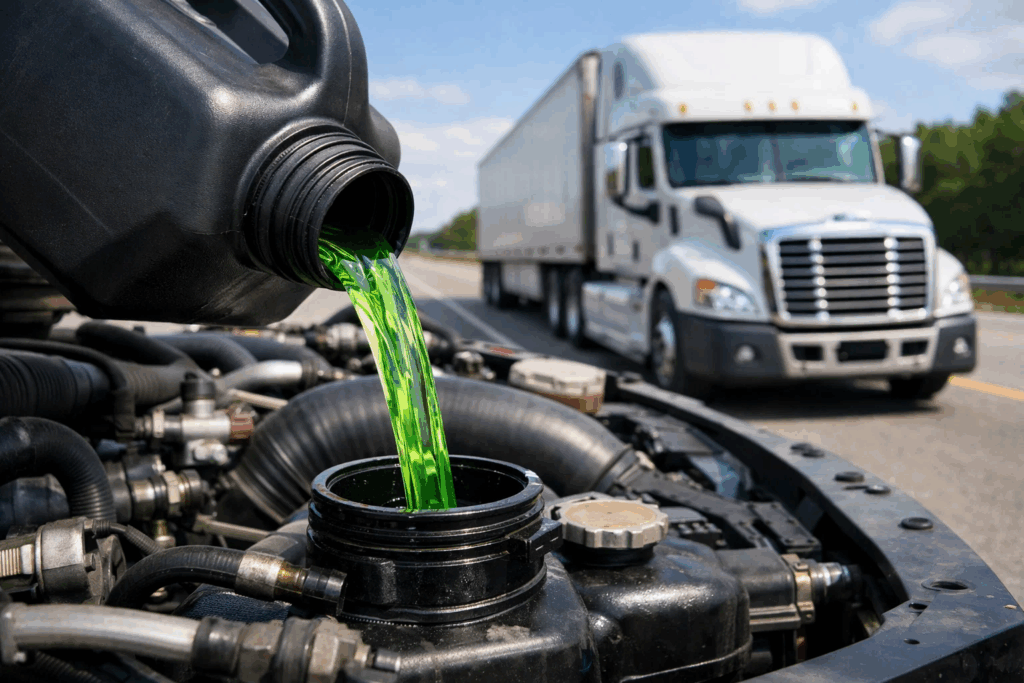
Cleaning the Fuel System
One of the biggest jobs of a diesel additive is cleaning the fuel system. Dirt and carbon can collect inside fuel injectors and fuel lines. When injectors become dirty, fuel spray becomes uneven.
Blue diesel additives help remove these deposits and improve fuel flow.
Improving Fuel Combustion
The additive supports better mixing of fuel and air inside the engine. This creates a cleaner burn, which means less wasted fuel and better engine power.
Reducing Moisture Problems
Water inside diesel fuel can damage engine parts and reduce performance. Some blue diesel additives help control moisture and protect the fuel system from rust and corrosion.
Benefits of Using Blue Diesel Additives
Better Fuel Mileage
Many diesel users want improved MPG because fuel costs continue to rise. Cleaner fuel injectors and better combustion can help the engine use fuel more efficiently.
When fuel burns properly, the engine needs less diesel to produce the same level of power.
MPG Improvement in Daily Use
Drivers often notice benefits such as:
- Better highway mileage
- Smoother acceleration
- Reduced fuel waste
- Improved engine response
Results may vary depending on driving style and engine condition.
Cleaner Engine Performance
A cleaner engine usually performs better over time. Blue diesel additives help reduce carbon buildup inside important engine parts.
This supports:
- Smoother engine operation
- Less smoke from exhaust
- Reduced engine knocking
- Cleaner fuel injectors
Cleaner engines also often require fewer repairs.
Reduced Exhaust Emissions
Modern diesel engines must meet strict emission standards. Poor fuel combustion can increase harmful exhaust gases and black smoke.
Blue diesel additives help fuel burn more completely, which can lower:
- Carbon deposits
- Smoke output
- Harmful emissions
This is especially useful for commercial vehicles that operate for long hours every day.
Common Types of Blue Diesel Additives
Injector Cleaners
These additives focus mainly on removing dirt and carbon from injectors. Clean injectors spray fuel properly and improve engine efficiency.
Cetane Boosters
Cetane is important for diesel ignition quality. Higher cetane levels can improve engine starting and fuel burning.
Benefits of Cetane Boosters
- Faster cold starts
- Reduced engine noise
- Better throttle response
- Improved fuel efficiency
Anti-Gel Additives
Cold weather can cause diesel fuel to thicken or gel. Anti-gel additives help fuel flow properly during winter conditions.
These are commonly used in colder regions where diesel engines face low temperatures.
Lubricity Additives
Modern low-sulfur diesel fuel may provide less lubrication than older fuels. Lubricity additives help protect fuel pumps and injectors from wear.
How to Use Blue Diesel Additives Correctly
Read Product Instructions Carefully
Different products have different mixing ratios. Always follow the instructions provided on the container.
Using too much additive may not improve performance and could affect fuel quality.
Add Before Fueling
Many users add the treatment before filling the tank. This helps the additive mix evenly with the diesel fuel.
Use Regularly for Best Results
One-time use may provide temporary improvement, but regular use often gives better long-term performance.
Consistent use can help maintain:
- Cleaner injectors
- Stable engine performance
- Better fuel economy
- Reduced maintenance issues
Signs Your Diesel Engine May Need an Additive
Poor Fuel Economy
If your vehicle suddenly starts consuming more fuel, dirty injectors or poor combustion may be the cause.
Rough Engine Performance
Engines that shake, hesitate, or feel weak may benefit from injector cleaning support.
Excessive Smoke
Black smoke from the exhaust can be a sign of incomplete fuel burning.
Hard Starting Problems
Diesel engines that struggle during startup may need fuel system cleaning or cetane support.
Important Tips Before Buying Diesel Additives
Choose Trusted Products
Always buy additives from reliable brands that are made for diesel engines.
Cheap products with poor quality ingredients may not provide proper results.
Match the Additive to Your Needs
Different additives solve different problems. Some focus on cleaning, while others improve cold-weather performance or fuel lubrication.
Choose the product based on your engine condition and usage.
Check Vehicle Compatibility
Always confirm that the additive is safe for your engine type, especially if you drive a modern diesel vehicle with emission control systems.
Final Thoughts
Blue Middle East additives can help improve engine cleanliness, fuel efficiency, and overall diesel engine performance. They support cleaner fuel burning, reduce carbon buildup, and may help improve MPG over time.
Regular use of a quality additive can help diesel engines run smoother and stay protected during daily operation. Whether you operate trucks, generators, or industrial equipment, using the right diesel additive can support longer engine life and lower maintenance costs.