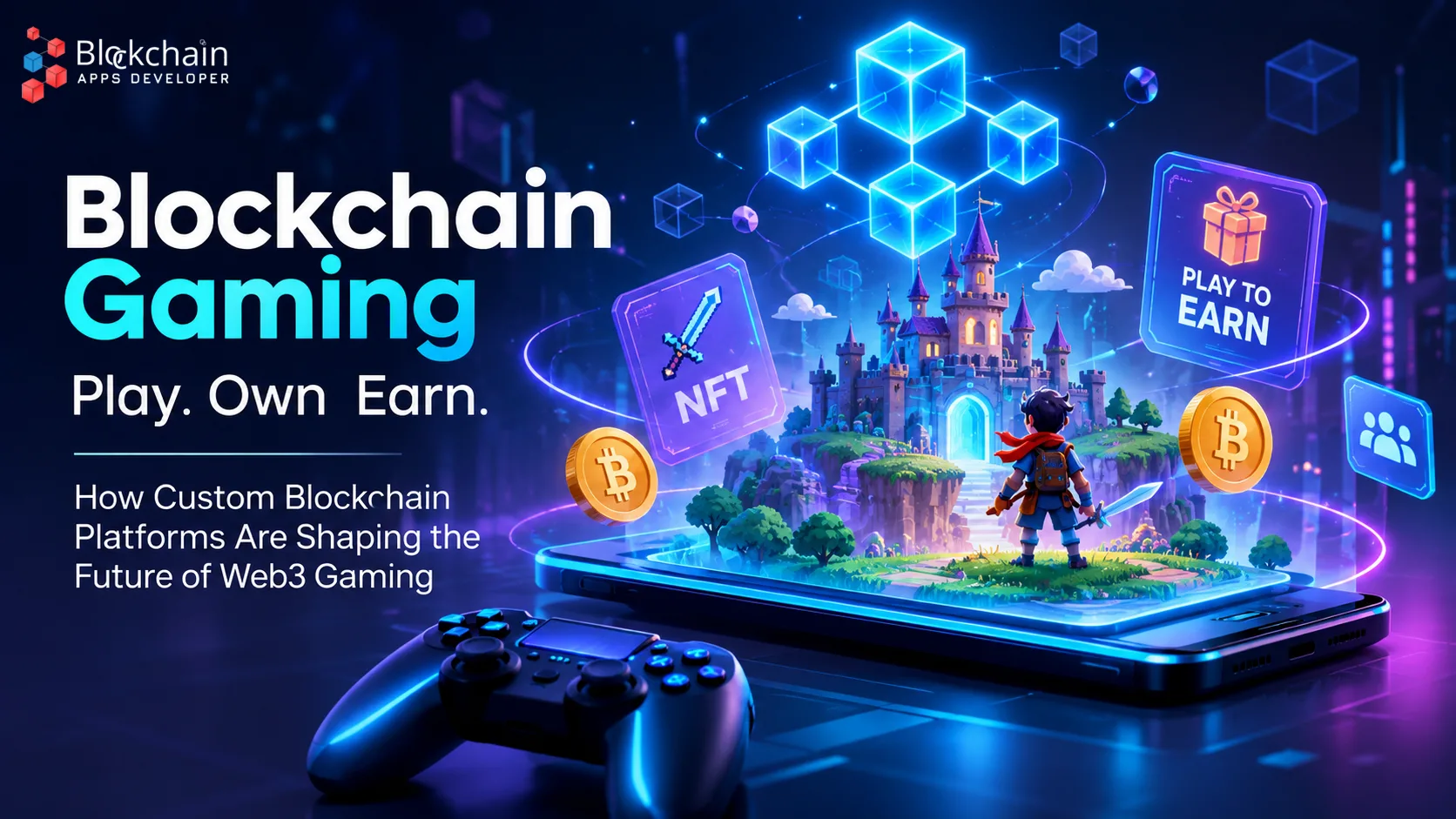
The technology development company explores how blockchain infrastructure, digital asset ownership, and engaging gameplay can shape the next generation of gaming experiences.
As gaming continues to evolve beyond traditional digital entertainment, blockchain technology is creating new possibilities for game studios, entrepreneurs, and businesses entering the Web3 ecosystem.
BlockchainAppsDeveloper, a technology development company specializing in blockchain and Web3 solutions, highlights the growing importance of building blockchain-powered gaming platforms that combine engaging gameplay with transparent digital ownership and sustainable platform architecture.
The development of blockchain games involves more than integrating cryptocurrency or NFTs into an existing gaming concept. Businesses must consider player experience, blockchain infrastructure, asset management, transaction efficiency, and the long-term functionality of their gaming ecosystems.
Beyond Traditional Gaming Experiences
Traditional gaming platforms generally operate through centralized systems where game assets, player progress, and virtual currencies remain controlled by the platform operator.
Blockchain technology introduces a different approach by enabling verifiable ownership of digital assets through decentralized networks. Players can potentially own, transfer, and trade supported in-game assets through compatible wallets and marketplaces.
This approach creates opportunities for gaming businesses to explore:
- Digital Asset Ownership: Blockchain-based assets can provide players with verifiable ownership of supported in-game items.
- NFT-Based Gaming: Characters, collectibles, virtual land, and other game elements can be represented as non-fungible tokens.
- Play-to-Earn Mechanisms: Game developers can introduce reward systems based on participation, achievements, and platform economics.
- Decentralized Marketplaces: Players can trade eligible digital assets through integrated blockchain marketplaces.
- Transparent Transactions: Smart contracts can automate supported transactions and reward distribution according to predefined rules.
The Technical Challenges Behind Blockchain Gaming
Despite the opportunities, developing a successful blockchain gaming platform requires careful technical planning.
One major consideration is scalability. Gaming applications need responsive interactions, while blockchain networks may introduce transaction delays and costs. Developers must select suitable blockchain infrastructure and determine which activities should happen on-chain and which should remain off-chain.
Another important factor is economic design. Poorly structured token distribution, uncontrolled rewards, and speculative asset demand can negatively affect a game's long-term sustainability.
Security also deserves attention. Smart contracts, player wallets, NFT marketplaces, and token transactions must be designed with appropriate validation and security testing.
For businesses entering this sector, balancing blockchain functionality with an enjoyable gaming experience remains a central development priority.
Building a Complete Web3 Gaming Ecosystem
A blockchain gaming platform typically combines several interconnected components.
These may include smart contracts for managing digital assets and transactions, NFT functionality for representing in-game ownership, cryptocurrency wallets for player interactions, and marketplaces for supported asset exchanges.
Game studios may also integrate token-based reward mechanisms, player progression systems, staking features, and decentralized governance depending on their business model.
At BlockchainAppsDeveloper, the development approach focuses on combining blockchain capabilities with the functional requirements of gaming businesses. Its Blockchain Game Development Company services support businesses exploring customized blockchain gaming solutions and Web3 gaming ecosystems.
The objective is to develop platforms where blockchain functionality supports the overall gaming experience rather than becoming a barrier to player participation.
What Businesses Should Consider Before Launching a Blockchain Game
Before starting development, businesses should establish a clear understanding of their target audience, game mechanics, monetization strategy, and technical requirements.
A few important considerations include:
- Selecting a blockchain network based on transaction requirements, ecosystem compatibility, and scalability.
- Designing tokenomics that support sustainable platform operations.
- Developing secure smart contracts for digital asset management.
- Creating intuitive wallet integration and onboarding experiences.
- Building marketplaces that support transparent asset transactions.
- Testing platform performance, security, and user experience before deployment.
These considerations can help businesses reduce development risks and establish a stronger foundation for future platform expansion.
Looking Ahead
Blockchain gaming is continuing to create opportunities for businesses interested in digital ownership, interactive virtual economies, and player-driven ecosystems.
However, long-term adoption will depend on more than blockchain integration. Game quality, accessibility, security, and sustainable economic models will remain important factors in determining whether players continue using these platforms.
As Web3 technology develops, businesses that approach blockchain gaming with a combination of technical planning and player-focused design may be better positioned to build meaningful digital gaming experiences.
About BlockchainAppsDeveloper
BlockchainAppsDeveloper is a blockchain technology development company providing customized blockchain and Web3 solutions for businesses. Its service offerings include public and private blockchain development, smart contract development, cryptocurrency and token development, blockchain game development, blockchain wallets, and enterprise blockchain solutions.
The company works with businesses looking to explore blockchain technology and develop digital platforms aligned with their operational and business objectives.