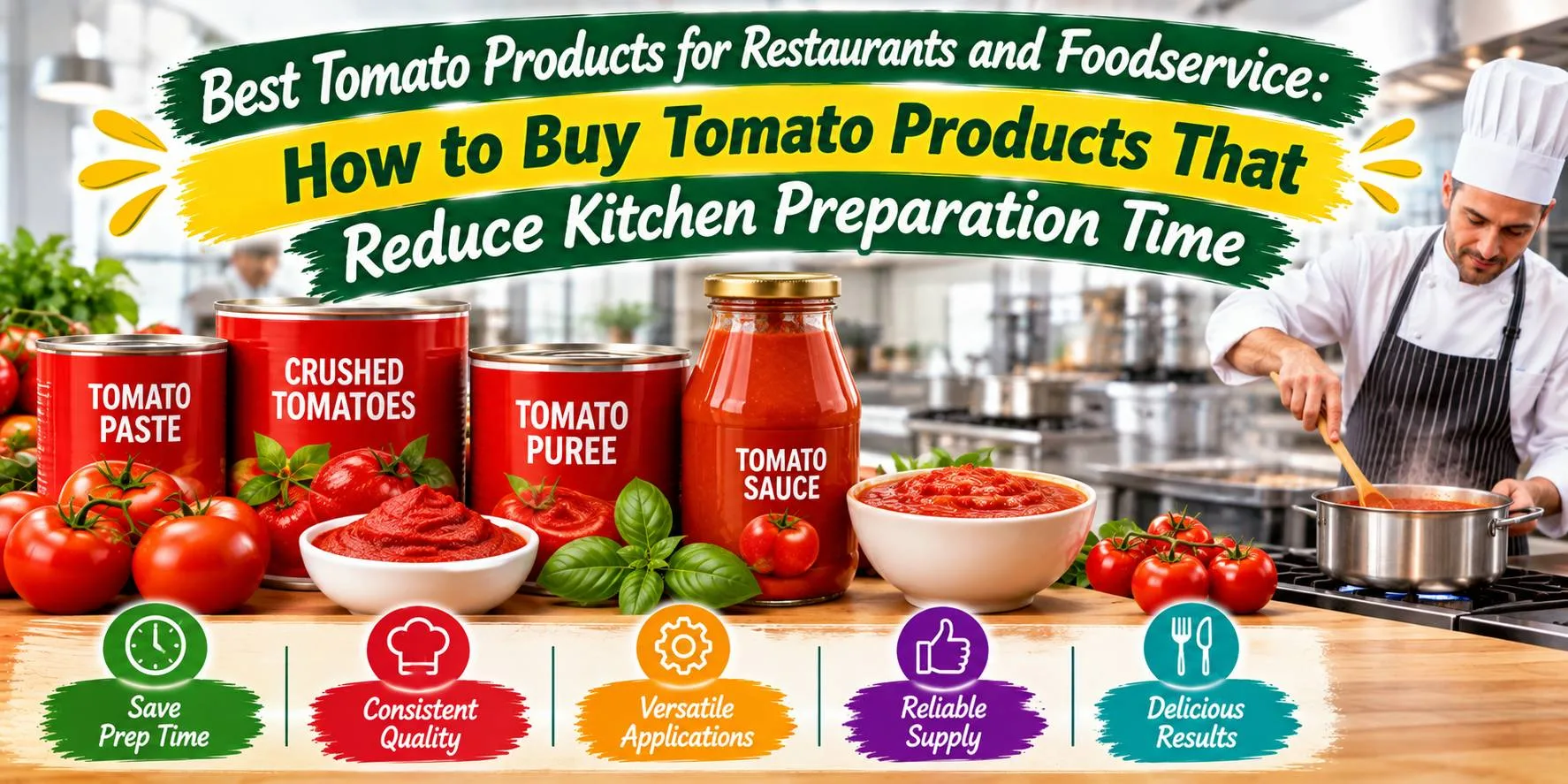
OCEANSIDE, NY: A cook preparing tomato soup should not need to chop whole tomatoes if the recipe calls for a smooth base. Yet that extra work starts with the purchasing decision. Prepared tomatoes remove specific kitchen tasks when their texture matches the dish. This covers how to buy tomato products that reduce preparation time and fit the kitchen’s daily use.
Match the Tomato Product to the Recipe
Start with the finished dish. A chunky stew needs tomato pieces, whereas a smooth sauce leaves no room for them. Buying the same tomato format for both recipes may give the kitchen unnecessary work.
The best tomato products for restaurants and foodservice reduce those extra steps without changing the result on the plate.
Schare & Associates supplies tomato products for restaurants, cafés and catering businesses. Its range includes diced tomatoes in juice, concentrated crushed tomatoes, paste, whole pack tomatoes and tomato sauce.
Tomato productTypical kitchen useWork that remainsDiced tomatoes in juiceSoups and dishes with tomato piecesAdjust the amount of packing juice usedConcentrated crushed tomatoesTomato sauce basesAdjust thickness to the recipeTomato pasteConcentrated tomato flavour in sauces and stewsMeasure carefully and incorporate into the dishWhole pack tomatoesRecipes needing a particular cutChop or crush to the required textureTomato sauceDishes with a smooth tomato baseCheck seasoning and consistencyWhole tomatoes give cooks control over the cut. That control has value when the recipe needs it, but less value when staff crushes every batch immediately after opening.
Check Ingredients Before Ordering
Two products with similar names may behave differently in the same pan. Salt or herbs in a sauce could affect an existing recipe, while extra liquid in diced tomatoes changes how much liquid the cook needs elsewhere.
The label and product specification sheet answer different purchasing questions:
- Salt and herbs affect the seasoning already in the recipe
- Tomato pieces need to match the texture of the finished dish
- Concentration affects dilution and cooking requirements
- The specification sheet gives more detail than the product name
Order enough for a recipe trial first. Prepare the usual batch and note any extra steps, including draining or processing the tomatoes until smooth. If staff must repeat that work every time, try a format closer to what the recipe needs.
Choose Pack Sizes Around Daily Use
A large pack looks economical until the kitchen has to handle it. Staff need suitable equipment, enough storage and a clear plan for the contents after opening.
Schare & Associates offers drums, bins and cans for several products, including tomato paste, diced tomatoes in juice and concentrated crushed tomatoes. Buyers can ask about the available packaging for each item rather than assuming every product comes in every size.
Use actual kitchen quantities when discussing an order:
- Work out how many batches each container will supply
- Allow space for stock and follow storage instructions after opening
- Agree on order quantities and delivery timing with the supplier
A central production kitchen may use a large container across several batches. A smaller restaurant needs to account for what remains after its normal prep. Both kitchens need a pack they can handle without adding awkward measuring or storage tasks.
Compare the Work Behind Each Batch
Record preparation time during the trial, using the same recipe and batch size for each product. Include the work after opening the container. Diced tomatoes save cutting time, but draining them still takes attention.
Taste the finished dish as well. A quicker process offers little benefit if cooks must spend longer correcting its flavour or texture.
Request specifications and test a suitable pack before committing to a larger order. Buy around the steps the kitchen needs to remove, with the finished recipe as the final test.
FAQs
Which tomato products reduce chopping time?
Diced tomatoes arrive in pieces, so cooks can skip dicing. Crushed tomatoes remove that cutting task for recipes that need a less defined texture.
Is tomato paste the same as tomato sauce?
No. Paste adds concentrated tomato flavour; sauce has a different consistency. Replacing one with the other requires changes to the recipe’s quantities and liquid.
How should restaurants choose a pack size?
Work backwards from the amount the kitchen uses. A container that supplies several batches still needs practical handling and enough storage after opening.
What should buyers check before they buy tomato products?
Ask for the product specifications, then try it in the intended dish. Ingredients and consistency deserve attention alongside pack size and storage instructions.
Will prepared tomato products remove all kitchen prep?
They remove particular jobs, such as chopping. Cooks may still need to season the dish or adjust its thickness during cooking.