Why Choosing the Right Roofing Material Matters
Every roof plays a critical role in protecting a home from changing weather conditions, moisture, heat, wind, and debris. The material you choose has a direct impact on durability, maintenance requirements, energy efficiency, and the overall appearance of your property. Roof replacement is often considered when an existing roof reaches the end of its lifespan, making material selection one of the most important decisions for long term value.
A high quality roofing material can last for decades with proper maintenance, reducing repair costs while improving the comfort and safety of your home. Since every region experiences different weather patterns, homeowners should consider local climate, budget, and maintenance expectations before selecting the best option.
Asphalt Shingles Remain a Popular Choice
Asphalt shingles continue to be one of the most widely used roofing materials because they offer an excellent balance between affordability and performance. They are available in various colors, textures, and styles, allowing homeowners to match their roof with the architectural design of the house.
Modern asphalt shingles provide improved resistance against wind, rain, and UV exposure. Many premium products also include algae resistant technology, helping roofs maintain a cleaner appearance over time.
Benefits of asphalt shingles include:
- Affordable installation costs
- Wide variety of design options
- Easy maintenance
- Straightforward repairs
- Suitable for many residential homes
Although asphalt shingles generally have a shorter lifespan than premium materials, quality products can still provide reliable protection for several decades.
Metal Roofing Delivers Exceptional Durability
Metal roofing has become increasingly popular due to its impressive lifespan and outstanding weather resistance. Whether constructed from steel, aluminum, or copper, metal roofs are designed to withstand heavy rainfall, strong winds, and even hail in many environments.
Another major advantage is energy efficiency. Metal surfaces reflect a significant portion of solar heat, helping reduce cooling costs during warmer months.
Homeowners appreciate metal roofing because it offers:
- Excellent longevity
- Low maintenance requirements
- Fire resistance
- Strong resistance to cracking and warping
- Modern appearance
While the initial investment is typically higher than asphalt shingles, the long service life often makes metal roofing a cost effective solution over many years.
Clay and Concrete Tiles Offer Lasting Beauty
Clay and concrete roof tiles have been trusted for generations because they combine attractive appearance with remarkable durability. These materials perform especially well in areas with intense sunlight and hot temperatures.
Clay tiles are naturally resistant to insects, fire, and moisture, while concrete tiles provide similar strength at a somewhat lower cost.
Some advantages include:
- Long lifespan
- Excellent weather resistance
- Strong curb appeal
- Minimal fading over time
- Good thermal insulation
Because tile roofing is considerably heavier than many other materials, the home's structure should be evaluated before installation to ensure it can safely support the additional weight.
Slate Roofing Provides Premium Protection
Slate is considered one of the highest quality roofing materials available. Made from natural stone, slate offers exceptional strength and timeless elegance that can significantly increase property value.
Many slate roofs remain functional for well over a century when professionally installed and properly maintained.
Key benefits include:
- Extremely long lifespan
- Outstanding fire resistance
- Natural beauty
- Excellent moisture resistance
- Minimal maintenance
Although slate has a higher installation cost, many homeowners view it as a worthwhile investment because of its unmatched longevity.
Wood Shingles and Shakes Create Natural Character
Wood roofing remains a favorite among homeowners who appreciate a warm and traditional appearance. Cedar is one of the most commonly used wood species because it naturally resists insects and decay.
Wood shingles offer a smooth appearance, while wood shakes provide a more rustic texture.
Regular maintenance is necessary to maximize performance, including cleaning, inspections, and treatments that help prevent moisture related damage.
Wood roofing works best in climates where excessive moisture is less common and where routine maintenance can be performed consistently.
Synthetic Roofing Materials Continue to Improve
Advancements in manufacturing have introduced synthetic roofing products that closely resemble slate, wood, or tile while reducing weight and maintenance needs.
Many synthetic materials are manufactured using advanced polymers and recycled components, making them an environmentally conscious option.
Advantages include:
- Lightweight construction
- Strong impact resistance
- Lower maintenance
- Variety of attractive styles
- Easier installation
These products continue to gain popularity among homeowners seeking premium aesthetics without the challenges associated with heavier natural materials.
Factors to Consider Before Selecting Roofing Materials
Every home has unique requirements, making it important to evaluate several factors before making a final decision.
Local Climate
Weather conditions significantly influence roofing performance. Areas with heavy snowfall, frequent storms, or intense sunlight require materials specifically designed for those environments.
Expected Lifespan
Some homeowners plan to remain in their homes for decades, while others may move sooner. Choosing a roofing material that aligns with long term plans can improve overall value.
Maintenance Requirements
Certain roofing materials require regular inspections and upkeep, while others demand very little maintenance throughout their lifespan.
Installation Budget
Initial installation costs vary considerably between roofing materials. Looking beyond the purchase price and considering lifetime maintenance and replacement costs often provides a clearer picture of long term value.
Home Design
The roofing material should complement the home's architectural style while maintaining structural compatibility.
Signs It May Be Time to Consider New Roofing Materials
Even the most durable roofing systems eventually reach the end of their useful life. Recognizing warning signs early can help prevent more extensive damage.
Some common indicators include:
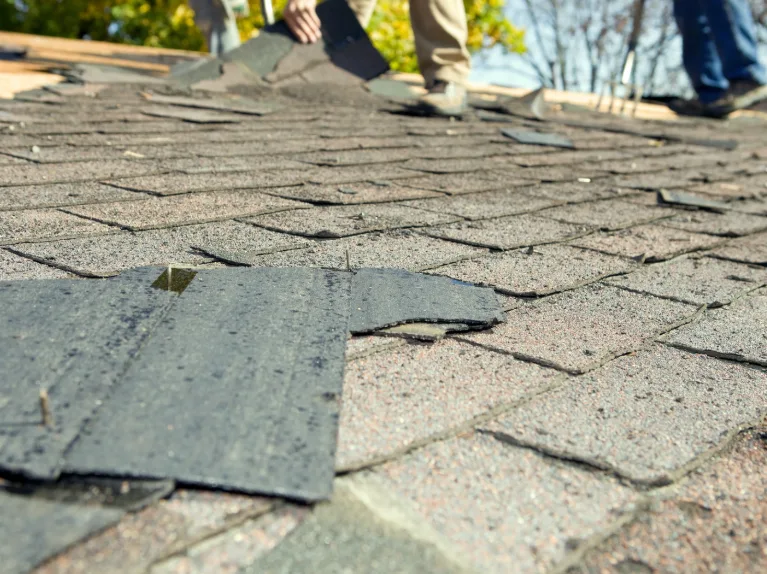
- Missing or damaged roofing materials
- Frequent leaks
- Water stains inside the home
- Sagging roof sections
- Excessive mold or moss growth
- Rising energy bills due to poor insulation
When these issues become more frequent, homeowners often begin planning a Roof replacement to restore reliable protection and improve overall performance.
Choosing Quality Installation Matters
Even the highest quality roofing materials can underperform if they are not installed correctly. Professional installation ensures proper ventilation, secure fastening, effective waterproofing, and compliance with local building requirements.
Experienced roofing professionals also help homeowners select materials that match the home's structure, climate, and long term maintenance expectations, allowing every Roof replacement project to deliver maximum durability and value.
Frequently Asked Questions
Which roofing material lasts the longest?
Slate roofing generally has the longest lifespan and can last more than 100 years when properly installed and maintained.
Is metal roofing better than asphalt shingles?
Metal roofing typically lasts much longer, requires less maintenance, and offers better energy efficiency, while asphalt shingles are more affordable upfront.
What roofing material requires the least maintenance?
Metal and slate roofs usually require the least maintenance because they resist weather damage, moisture, and fire more effectively than many other materials.
How do I choose the best roofing material for my home?
Consider your local climate, budget, desired lifespan, maintenance expectations, and your home's architectural style before selecting a roofing material.