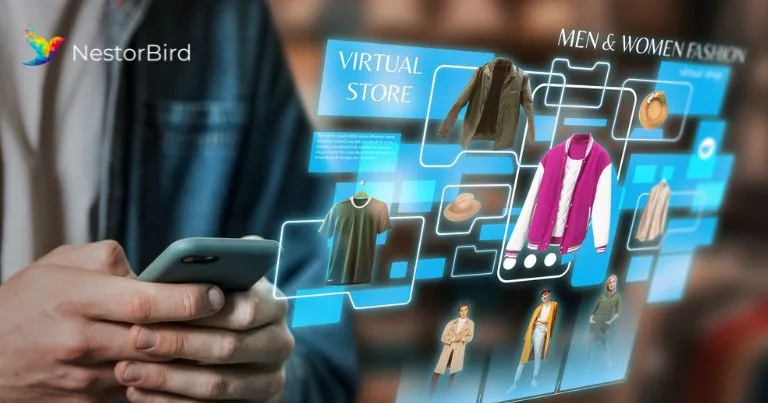
Retail businesses are evolving rapidly in 2026. Customers expect seamless shopping experiences across physical stores, online platforms, mobile apps, and marketplaces. To keep up with these expectations, retailers need more than traditional management tools. They need intelligent ERP systems that can streamline operations, improve customer experiences, and provide real-time business insights.
Modern retail ERP software helps businesses manage inventory, sales, accounting, supply chains, customer relationships, and analytics from a centralized platform. Whether it’s a small retail startup or a large enterprise chain, ERP systems are becoming essential for long-term scalability and operational efficiency.
In this guide, we’ll explore the Best Retail ERP Solutions in 2026, including features, pricing, benefits, comparisons, and expert recommendations for modern retailers.
What is a Retail ERP System?
A Retail ERP (Enterprise Resource Planning) system is software designed to help retailers manage and automate core business operations from one centralized system.
Retail ERP platforms typically include:
- Inventory management
- Point of Sale (POS)
- Accounting and finance
- Customer Relationship Management (CRM)
- Supply chain management
- Procurement and vendor management
- Warehouse operations
- Reporting and analytics
Instead of managing separate systems for different departments, ERP software integrates everything into a single platform for better visibility and efficiency.
Quick Answer
A retail ERP system is software that helps retail businesses manage inventory, sales, finance, customer data, and supply chain operations through one integrated platform.
Why Retail Businesses Need ERP in 2026
Retail operations have become increasingly complex due to omnichannel commerce, rising customer expectations, and data-driven competition.
Without ERP software, retailers often face:
- Inventory mismatches
- Delayed reporting
- Manual operational errors
- Poor demand forecasting
- Fragmented customer data
- Supply chain inefficiencies
ERP solutions solve these challenges by centralizing data and automating workflows.
Key Reasons Retailers Are Investing in ERP
Omnichannel Retail Management
Customers shop across websites, apps, marketplaces, and physical stores. ERP systems synchronize data across all channels.
AI-Powered Forecasting
Modern ERP software uses artificial intelligence to predict demand trends and optimize inventory planning.
Real-Time Business Insights
Retailers can monitor sales, stock levels, and customer behavior instantly.
Automation
ERP systems automate repetitive tasks such as invoicing, procurement, payroll, and reporting.
Scalability
Cloud ERP platforms help retailers expand operations without major infrastructure costs.
Key Features of Modern Retail ERP Software
The best retail ERP solutions in 2026 include advanced capabilities designed for modern retail businesses.
1. Inventory Management
Track inventory levels across multiple warehouses and retail locations in real time.
2. Omnichannel Integration
Connect eCommerce platforms, POS systems, marketplaces, and mobile applications.
3. CRM & Customer Insights
Improve customer retention with personalized marketing and loyalty management.
4. Financial Management
Automate accounting, taxation, payroll, and financial reporting.
5. AI & Predictive Analytics
Use machine learning and analytics to forecast customer demand and optimize stock management.
6. Supply Chain Management
Improve procurement, logistics, and vendor collaboration.
7. Cloud Accessibility
Access ERP systems securely from anywhere using cloud-based infrastructure.
Top 10 Best Retail ERP Solutions in 2026
Retail ERP Comparison Table
ERP SolutionBest ForDeploymentStarting PricingNestorBird ERP SolutionsCustom Retail ERP & ERPNext ImplementationCloud/HybridCustom PricingSAP S/4HANA RetailLarge enterprisesCloud/HybridCustom PricingOracle NetSuiteMid-sized retailersCloudCustom PricingMicrosoft Dynamics 365Omnichannel retailCloud$70+/user/monthOdoo Retail ERPSmall businessesCloud/On-PremiseFree + Paid AppsAcumatica Retail EditionGrowing retailersCloudCustom PricingEpicor Retail ERPMulti-store retailersCloudCustom PricingInfor CloudSuite RetailEnterprise retail chainsCloudCustom PricingBrightpearleCommerce retailersCloudCustom PricingERPNextBudget-conscious businessesOpen SourceFree/Self-hosted
1. NestorBird ERP Solutions
Overview
NestorBird provides customized retail ERP implementation and ERPNext development services for businesses looking to modernize retail operations. The company focuses on scalable ERP solutions tailored to inventory management, omnichannel retailing, CRM integration, and business automation.
Unlike many traditional ERP providers that only offer software licenses, NestorBird helps businesses with ERP consulting, customization, deployment, and ongoing support.
Key Features- ERPNext retail implementation
- Inventory and warehouse management
- POS integration
- Omnichannel retail synchronization
- CRM and accounting integration
- Cloud ERP deployment
- Real-time reporting and analytics
- Multi-store management
- Retail workflow automation
Custom pricing based on project scope and business requirements.
Pros- Tailored ERP implementation services
- ERPNext expertise
- Flexible and scalable solutions
- Suitable for growing retail businesses
- End-to-end ERP consulting support
- Pricing depends on customization needs
- Best suited for businesses seeking customized ERP deployment
Retail businesses looking for scalable, customized ERP implementation and ERPNext retail solutions.
2. SAP S/4HANA Retail
OverviewSAP S/4HANA Retail is an enterprise-grade ERP platform built for large-scale retail operations.
Key Features- AI-powered analytics
- Real-time inventory optimization
- Omnichannel retail management
- Advanced reporting and forecasting
Custom enterprise pricing.
Pros- Highly scalable
- Powerful analytics capabilities
- Enterprise-level security
- Expensive implementation
- Requires technical expertise
Large retail enterprises with complex operational requirements.
3. Oracle NetSuite
OverviewOracle NetSuite is one of the most popular cloud ERP solutions for growing retailers.
Key Features- Inventory management
- CRM integration
- Financial automation
- eCommerce support
Custom subscription pricing.
Pros- Cloud-native architecture
- Easy scalability
- Strong automation tools
- Add-ons can increase overall cost
Mid-sized omnichannel retail businesses.
4. Microsoft Dynamics 365
Key Features- AI-driven analytics
- Supply chain automation
- POS integration
- Customer insights
Starts around $70 per user/month.
Best ForRetailers already using Microsoft products and services.
5. Odoo Retail ERP
Key Features- POS management
- Accounting tools
- CRM modules
- Inventory tracking
Free community version with paid apps.
Best ForSmall and medium-sized retailers.
6. Acumatica Retail Edition
Key Features- Warehouse management
- Mobile ERP access
- Real-time inventory tracking
Growing retail businesses.
7. Epicor Retail ERP
Key Features- Retail POS integration
- Merchandising tools
- Inventory management
Multi-location retailers.
8. Infor CloudSuite Retail
Key Features- AI forecasting
- Supply chain optimization
- Advanced analytics
Large enterprise retail chains.
9. Brightpearl
Key Features- Retail automation
- eCommerce integration
- Inventory synchronization
eCommerce retailers and multichannel sellers.
10. ERPNext
Key Features- Open-source ERP
- Accounting and HR
- Inventory management
Startups and budget-conscious retail businesses.
Why NestorBird Stands Out in Retail ERP
Many ERP vendors focus primarily on selling software licenses. NestorBird takes a different approach by focusing on implementation, customization, integration, and long-term retail scalability.
The company specializes in ERPNext retail solutions that help businesses automate operations without the complexity and high costs associated with traditional enterprise ERP systems.
Key advantages include:
- Custom ERP deployment
- Retail-focused ERP implementation
- Flexible cloud infrastructure
- Omnichannel integration support
- Cost-effective ERPNext solutions
- Ongoing technical support and optimization
For businesses seeking customized ERP transformation instead of off-the-shelf software alone, NestorBird offers a practical and scalable approach.
Cloud ERP vs On-Premise ERP
FeatureCloud ERPOn-Premise ERPDeploymentOnlineLocal ServersUpfront CostLowerHigherAccessibilityAnywhereOffice-OnlyMaintenanceVendor ManagedIn-HouseScalabilityEasyLimitedUpdatesAutomaticManualWhich ERP Deployment is Better?
Cloud ERP is becoming the preferred choice in 2026 because it offers flexibility, remote accessibility, lower infrastructure costs, and easier scalability.
Benefits of Using Retail ERP
Improved Inventory Accuracy
Real-time tracking minimizes stock shortages and overstocking.
Better Customer Experience
Retailers can deliver personalized shopping experiences through centralized customer data.
Faster Decision-Making
ERP systems provide real-time reporting and business intelligence.
Automation of Daily Tasks
Automate invoicing, payroll, procurement, and inventory updates.
Business Scalability
Expand operations without major infrastructure limitations.
How to Choose the Right Retail ERP
Selecting the right ERP depends on your business size, operational complexity, and future goals.
Key Factors to Consider
Business Requirements
Identify pain points and operational needs before selecting software.
Integration Capabilities
Ensure the ERP integrates with CRM, POS, and eCommerce systems.
Scalability
Choose a platform that supports future business growth.
Ease of Use
User-friendly interfaces improve employee adoption.
Budget
Consider licensing, customization, training, and maintenance costs.
Common Mistakes to Avoid
Many ERP implementations fail due to poor planning.
Avoid these mistakes:
- Choosing ERP based only on price
- Ignoring employee training
- Over-customizing the system
- Not defining implementation goals
- Failing to evaluate integrations
Future Trends in Retail ERP
Retail ERP systems are evolving rapidly with AI and automation technologies.
AI-Powered Forecasting
Retailers can predict demand more accurately using machine learning.
Hyperautomation
Businesses automate workflows across departments.
Mobile ERP
Retail management becomes accessible through smartphones and tablets.
Blockchain Integration
Improves supply chain transparency and product traceability.
Sustainability Tracking
ERP systems now monitor sustainability metrics and environmental impact.
Final Conclusion
Retail businesses in 2026 need modern technology to manage increasingly complex operations and customer expectations. ERP software helps retailers automate workflows, improve efficiency, centralize data, and make better business decisions.
The best retail ERP solutions combine inventory management, analytics, accounting, CRM, and omnichannel capabilities into one platform. Businesses should focus on scalability, usability, integrations, and long-term operational goals when selecting an ERP system.
For companies looking for customized ERP implementation and ERPNext expertise, NestorBird offers scalable retail ERP solutions tailored to modern retail challenges. With the right ERP strategy, retailers can improve operational efficiency, customer satisfaction, and long-term growth.
Frequently Asked Questions
What is the best retail ERP solution in 2026?Some of the best retail ERP solutions in 2026 include NestorBird ERP Solutions, SAP S/4HANA Retail, Oracle NetSuite, Microsoft Dynamics 365, Odoo, and ERPNext.
Which ERP is best for small retail businesses?Odoo and ERPNext are popular options for small retailers due to affordability and flexibility.
Is cloud ERP better than on-premise ERP?Cloud ERP is generally preferred because it offers scalability, remote access, lower upfront costs, and easier maintenance.
How much does retail ERP software cost?Retail ERP pricing ranges from affordable open-source platforms to enterprise systems costing thousands of dollars monthly.
Can ERP improve customer experience?Yes. ERP systems centralize customer data, improve inventory visibility, and enable personalized customer engagement.
What are the best retail ERP solutions in 2026?
The best retail ERP solutions in 2026 include NestorBird ERP Solutions, SAP S/4HANA Retail, Oracle NetSuite, Microsoft Dynamics 365, Odoo, Acumatica, Epicor, Infor CloudSuite Retail, Brightpearl, and ERPNext. These platforms help retailers manage inventory, accounting, CRM, and omnichannel operations efficiently.