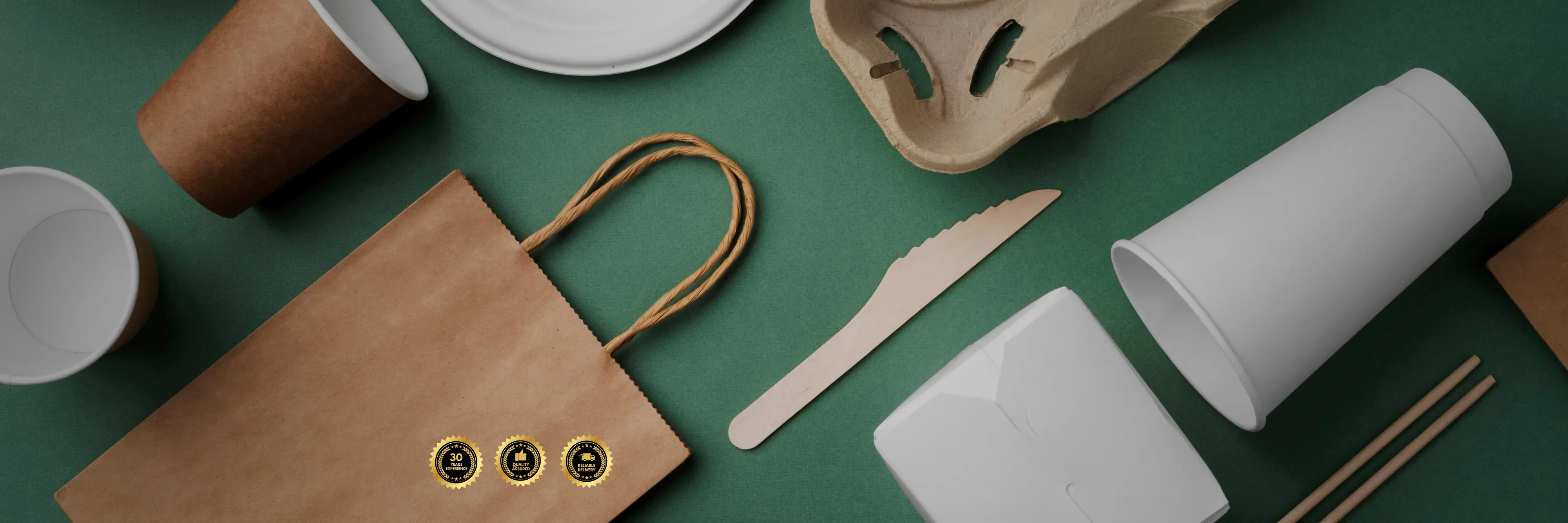
Australians order millions of takeaway coffees and meals every week, but packaging has quietly become one of the biggest factors influencing customer perception, sustainability goals, and operational costs in the hospitality industry.
Think about it: when a customer picks up a takeaway coffee or receives a delivery order, packaging becomes part of the dining experience itself. A leaking container, soggy paper bag, or poorly sealed lid can instantly damage a brand’s reputation, no matter how good the food tastes.
At the same time, cafes and restaurants across Australia are facing growing pressure to reduce waste, meet sustainability expectations, and comply with evolving packaging regulations. So how can businesses balance practicality, presentation, cost, and environmental responsibility without sacrificing customer experience?
That is where smarter packaging choices matter.
Companies like Eco Packaging Experts are helping hospitality businesses rethink packaging not as an afterthought, but as a strategic part of service quality, operational efficiency, and brand identity.
Why Packaging Matters More Than Ever for Hospitality Businesses
Packaging used to serve one purpose: transporting food safely from one place to another. Today, it plays a much bigger role.
Customers now associate packaging quality with overall business quality. According to industry research, consumers are increasingly likely to support food businesses that demonstrate environmentally responsible practices, especially younger demographics who actively notice packaging materials and waste levels.
For cafes and restaurants, packaging directly affects:
- Food freshness and presentation
- Delivery performance
- Customer satisfaction
- Sustainability reputation
- Brand recall
- Operational efficiency
A well-designed takeaway experience can encourage repeat orders, positive online reviews, and stronger customer loyalty.
On the other hand, poor packaging creates avoidable problems:
- Spilled drinks during delivery
- Heat loss affecting food quality
- Excessive condensation
- Increased plastic waste complaints
- Higher replacement costs
The takeaway and food delivery market in Australia continues to grow rapidly, making reliable packaging solutions more important than ever before.
The Rise of Eco-Conscious Customers
Today’s diners are paying attention to more than menus. They notice whether a café uses compostable coffee cups, recyclable takeaway containers, or excessive plastic cutlery.
Many hospitality businesses are now asking an important question: Can sustainable packaging actually improve customer loyalty?
In many cases, yes.
Customers increasingly value businesses that align with their environmental values. Sustainable packaging is no longer just a trend. It is becoming an expectation.
Choosing the Right Packaging for Different Food and Beverage Needs
Not all packaging performs the same way. A busy café serving takeaway coffee has different requirements from a restaurant managing delivery orders or a bakery packaging fresh pastries.
The best packaging solutions are practical, durable, and suited to specific operational needs.
Popular Packaging Solutions for Cafes
Cafes often prioritise speed, convenience, and presentation. Common packaging essentials include:
- Compostable coffee cups and lids
- Recyclable takeaway trays
- Kraft paper carry bags
- Napkins and takeaway accessories
- Pastry boxes and sandwich wraps
Heat retention and leak prevention are especially important for coffee service. Double-wall cups and secure lids improve customer experience while reducing accidental spills.
Packaging Priorities for Restaurants
Restaurants managing takeaway and delivery services need packaging that maintains food quality during transport.
Important considerations include:
- Ventilation for hot meals
- Leak-resistant containers
- Tamper-evident seals
- Stackable delivery packaging
- Grease-resistant materials
For example, fried foods often require breathable packaging to prevent sogginess, while soups and curries need secure, insulated containers.
Businesses that tailor packaging to menu items usually experience fewer delivery complaints and better customer feedback.
Sustainable Packaging Is Becoming a Competitive Advantage
Australia’s hospitality industry is rapidly moving toward more sustainable operations. Government regulations around single-use plastics, combined with changing customer expectations, are accelerating this transition.
But sustainability does not have to mean sacrificing functionality.
Modern eco-friendly packaging solutions now include:
- Compostable sugarcane containers
- PLA-lined paper cups
- Recyclable cardboard meal boxes
- Wooden cutlery
- Biodegradable carry bags
The key is selecting products that balance environmental responsibility with real-world performance.
Beyond “Eco-Friendly” Labels
Some businesses make the mistake of choosing packaging based solely on marketing claims rather than operational suitability.
A compostable container that leaks during delivery can create more waste and customer dissatisfaction than a durable recyclable option.
This is why hospitality operators increasingly partner with suppliers who understand both sustainability and food service practicality. Companies like Eco Packaging Experts focus on helping businesses choose packaging solutions that work effectively in busy commercial environments while supporting long-term environmental goals.
Real-World Example: How Better Packaging Improved Customer Experience
A mid-sized café group in Melbourne recently reviewed its takeaway packaging after noticing recurring customer complaints related to spills and inconsistent food presentation during delivery.
Initially, the business used low-cost generic containers that performed poorly with hot meals and takeaway beverages.
After switching to more durable eco-friendly packaging solutions, including insulated coffee cups, compostable meal containers, and reinforced carry bags, the café group reported several improvements over four months:
- Reduced customer complaints related to delivery packaging
- Higher positive delivery app reviews
- Improved brand presentation on social media posts
- Lower packaging replacement costs caused by damaged orders
Most importantly, customers began associating the café’s packaging quality with the overall professionalism of the business.
This highlights an important shift in hospitality: packaging is no longer just operational, it is part of the customer experience itself.
The Future of Hospitality Packaging in Australia
As food delivery, takeaway dining, and sustainability expectations continue to evolve, packaging will remain a major business consideration for cafes and restaurants across Australia.
The most successful hospitality businesses will likely focus on packaging solutions that combine:
- Practical functionality
- Environmental responsibility
- Brand consistency
- Customer convenience
- Operational efficiency
Packaging is no longer invisible. Customers notice it, regulators monitor it, and businesses increasingly rely on it to support long-term growth.
Key Takeaways
- Packaging directly affects customer experience and brand perception.
- Sustainable packaging is becoming an expectation in Australian hospitality.
- Different food and beverage products require different packaging solutions.
- Functional packaging reduces delivery issues and operational waste.
- Smart packaging choices can strengthen customer loyalty and business reputation.