Are you a loving cat owner who often finds themselves looking at their feline companion and wondering, "Is my cat happy?" It’s a common question, especially for those of us with indoor cats. While a life indoors protects them from many dangers, it can also lead to boredom, lethargy, and a lack of mental and physical stimulation. The good news is, keeping your indoor cat happy and active doesn't require an elaborate setup or a full-time job.
Buy the best cat trees or towers
A bored cat is often a mischievous one, finding their own "fun" in things like scratching furniture, knocking over vases, or meowing for attention at all hours. By proactively providing enrichment and engaging activities, you can channel their natural instincts into positive, joyful experiences. This comprehensive guide will walk you through 15 actionable ideas, from simple DIY solutions to long-term investments, to ensure your cat thrives indoors.
Understanding Your Cat's Needs: The Hunter's Heart
Before we dive into the activities, it's crucial to understand why they are so important. Our domesticated house cats, no matter how fluffy or pampered, still possess the instincts of their wild ancestors. They are natural hunters, and their days in the wild would have been spent stalking, chasing, pouncing, and climbing. When these instincts aren't met, they can lead to behavioral problems and a decline in overall well-being.
A study by the Royal Canin Academy emphasizes that cats need to engage in the full predatory sequence: locating, stalking, chasing, pouncing, killing, preparing, and eating their "prey." By providing enrichment that mimics these behaviors, we are not just entertaining them; we are fulfilling their deepest, most fundamental needs.
Category 1: Engage the Hunting Instincts
This category is all about appealing to your cat's inner predator. These activities encourage movement, problem-solving, and the thrill of the hunt.
1. Puzzle Feeders and Food Toys
Ditch the traditional food bowl! Puzzle feeders are a fantastic way to slow down fast eaters and provide valuable mental stimulation. Instead of getting their meal for free, your cat must work for it by batting, rolling, or manipulating the toy to release the kibble. This mimics the effort of a real hunt and can prevent boredom-related overeating.
- Tip: Start with a simple ball-shaped feeder and progress to more complex puzzles with multiple compartments. You can even DIY your own using a cardboard box with holes cut in it.
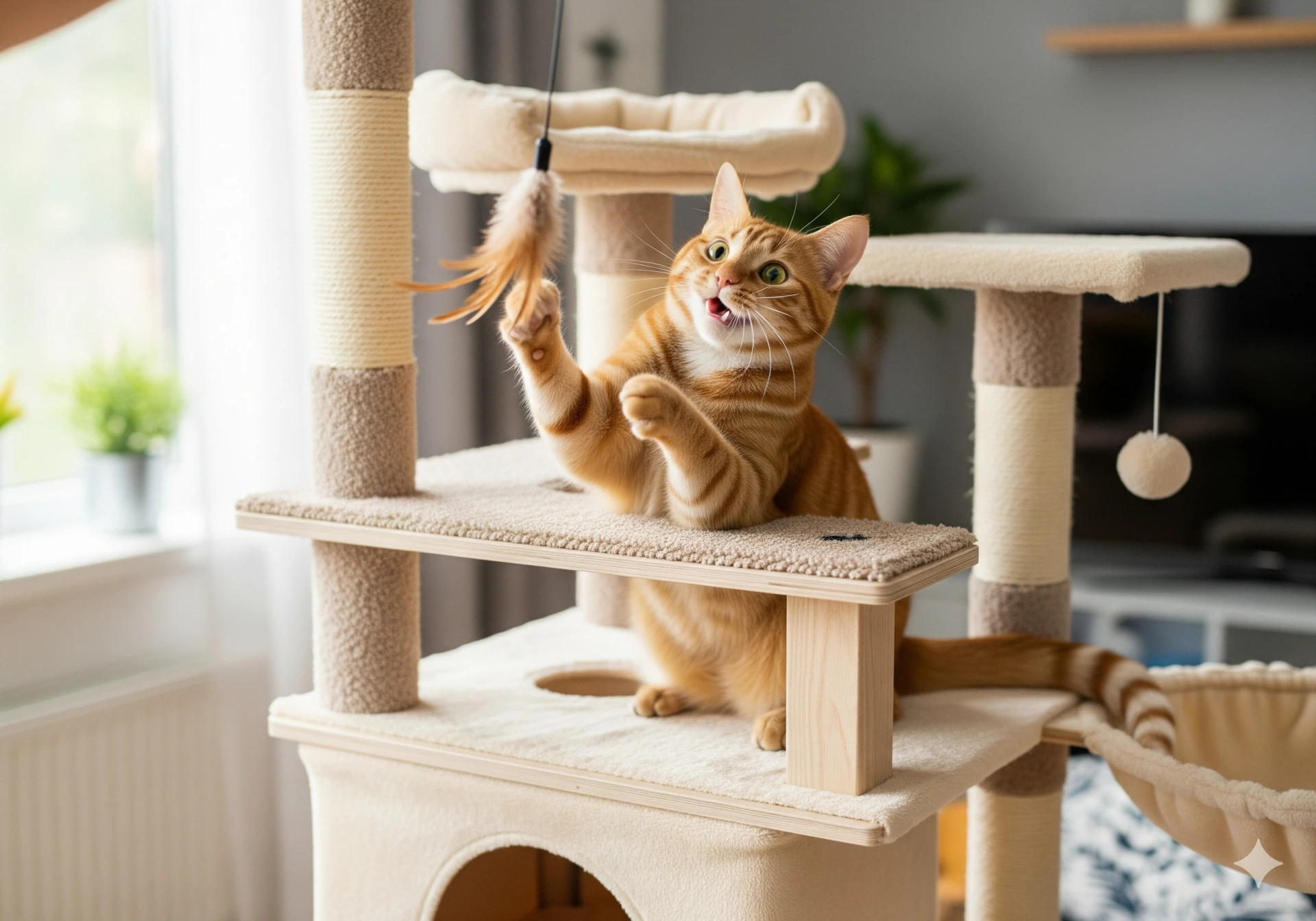
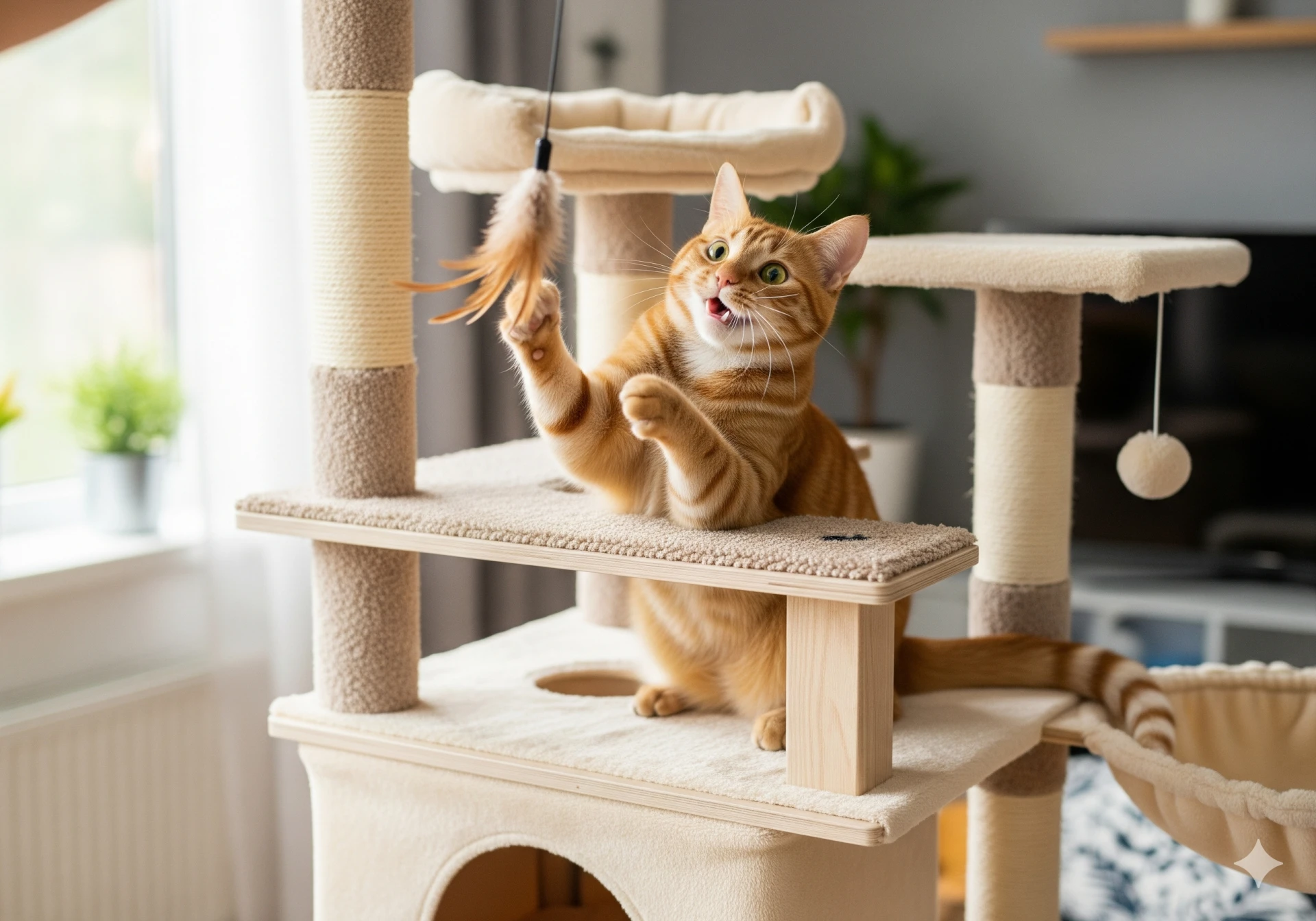
2. Daily Interactive Play Sessions
This is a non-negotiable for a happy cat. Dedicate at least 10-15 minutes, two to three times a day, to active playtime with your cat. Use wand toys with feathers, strings, or plush animals at the end. The key is to make the "prey" move like real prey—darting, hiding, and flying.
- Actionable Advice: Always let your cat "catch" the toy at the end of the session to fulfill the kill sequence. This provides a satisfying conclusion and prevents frustration. Never use your hands or feet as toys, as this can lead to scratching and biting.
3. The Great Indoor Treasure Hunt
Turn mealtime into a game of hide-and-seek. Hide small portions of your cat's dry food or treats around the house, in different rooms, and on various surfaces. This encourages them to use their powerful sense of smell to forage, just as they would in the wild.
- Why it Works: This activity keeps their minds sharp and their bodies moving. It’s a simple, low-cost way to make their day-to-day routine more exciting.
4. DIY Cardboard Box Mazes
A simple cardboard box can provide hours of entertainment, but a whole maze? Even better. Tape several boxes together, cut small holes and tunnels for your cat to navigate, and place toys or treats inside. You can even cut small "windows" to allow for peek-a-boo play. This taps into their love for confined spaces and hiding.
- DIY Tip: Ensure all tape and glue are non-toxic and that any openings are large enough to prevent your cat from getting stuck.
Category 2: Explore the Vertical World
Cats love to climb and observe their territory from a high vantage point. This provides them with a sense of security and a better view of their surroundings.
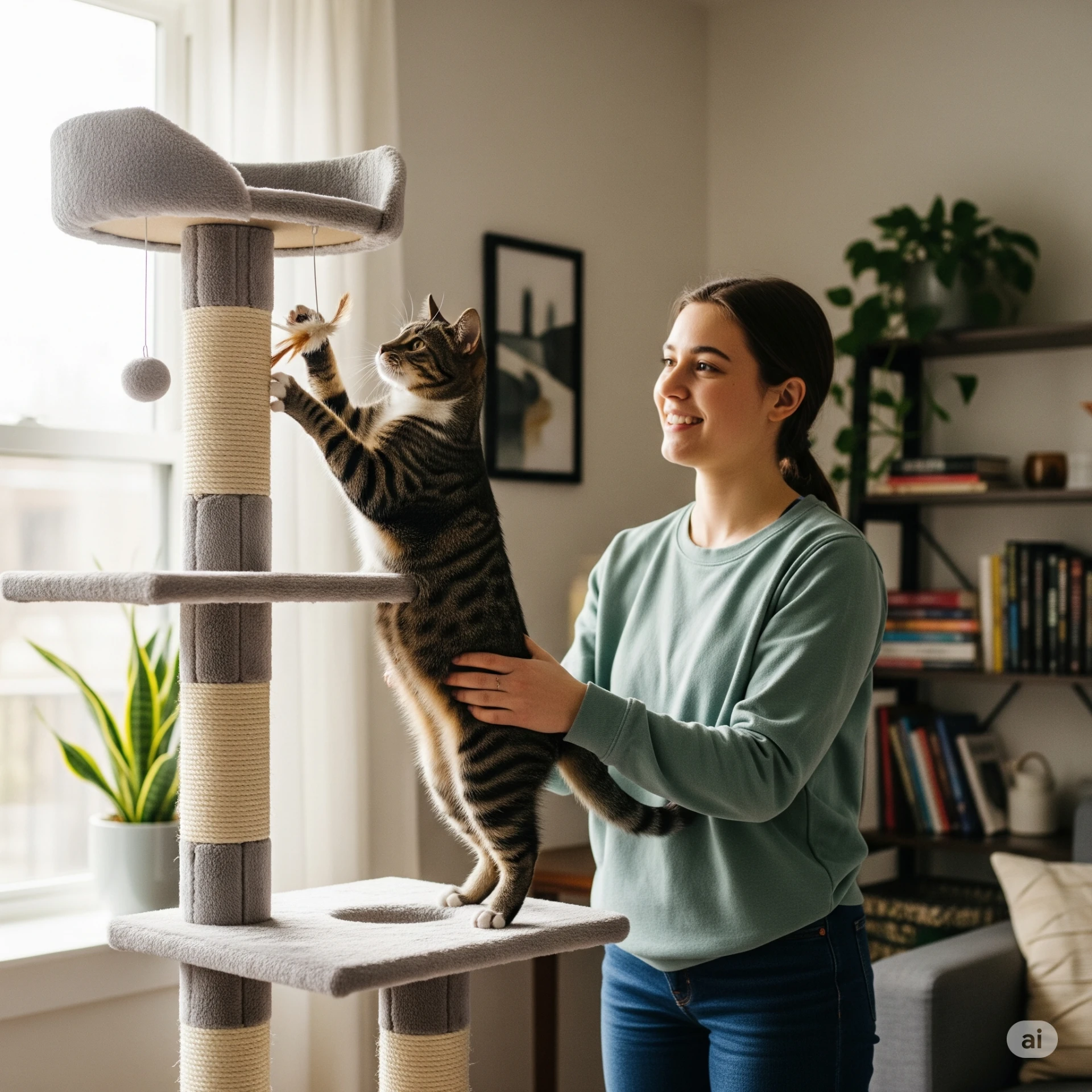
5. The Essential Cat Tree
If you're looking for a single item that provides the most bang for your buck, a cat tree is it. This emerging market is a testament to pet owners' growing understanding of feline needs. The global cat furniture market is projected to reach over $9 billion by 2033, driven by the "humanization" of pets and increased spending on their well-being. A well-designed cat tree is a multi-purpose powerhouse, offering a place to climb, scratch, rest, and survey their kingdom.
- What to Look For: Opt for a sturdy, multi-level structure with different textures like sisal rope for scratching, plush fabric for napping, and perches at varying heights. A quality cat tree isn't just a piece of furniture; it's a critical component of a cat's physical and mental health. It encourages exercise, improves joint health, and provides a safe, personal space, which is especially important in multi-pet households. For the best selection, check out options at cattree.ca.
- Alt Text Suggestion for Cat Tree Image: A sleek, modern multi-level cat tree with sisal scratching posts and plush perches, with a fluffy grey cat lounging on the top platform.
6. Cat Shelves and Wall-Mounted Perches
For those with limited floor space, creating a vertical "cat highway" is a brilliant alternative. Install floating shelves or specially designed cat shelves on your walls, allowing your cat to climb and travel around the room without touching the floor.
- Bonus: This not only provides enrichment but also adds a unique, functional design element to your home. It’s a great way to give your cat more territory in a smaller living space.
7. Window Perches
A cat's favorite form of entertainment is often "cat TV"—watching the world outside the window. A window perch provides a comfortable, designated spot for them to do this. They can spend hours watching birds, squirrels, and people, which provides a level of passive mental stimulation that's both calming and engaging.
- Pro Tip: Place a bird feeder outside the window to give them a truly captivating show. This simple act can transform a dull afternoon into a thrilling experience for your feline.
Category 3: Sensory & Cognitive Enrichment
This section focuses on stimulating your cat's senses—smell, sight, and hearing—in creative ways.
8. Scent-Based Exploration
Cats rely heavily on their sense of smell to interpret their world. You can provide a "scent safari" by bringing in safe, new smells from the outdoors.
- Ideas:
- Bring in a pinecone, a stick, or a few safe leaves (ensure they haven't been treated with pesticides).
- Let them sniff a towel or jacket that's been outside.
- Use a small amount of catnip or silvervine to refresh old toys and make them interesting again.
9. Feline-Friendly Music and Sounds
Studies have shown that certain music, particularly compositions designed specifically for felines, can have a calming effect on cats. These tracks often incorporate sounds and frequencies similar to purring or birdsong.
- Easy to Do: Put on a "music for cats" playlist on YouTube while you're at work or running errands to help reduce anxiety and provide a peaceful atmosphere.
10. Grow an Indoor Cat Garden
Offer your cat a taste of nature with a small, pet-safe garden. Cat grass (oats, wheat, or rye grass) is easy to grow and provides a safe and healthy snack. Catnip and valerian are other popular options that many cats find irresistible.
- Benefit: This provides a healthy, interactive activity that satisfies their natural urge to chew on plants and adds a new texture to their environment.
Category 4: Bonding & Training
These activities not only keep your cat active but also strengthen the bond between you and your pet.
11. Harness and Leash Training
This might sound like an activity for a dog, but many cats can be trained to walk on a harness and leash. Starting in a quiet, enclosed area like a backyard or patio, this allows your indoor cat to safely experience the sights, sounds, and smells of the outdoors.
- Expert Insight: According to the Humane Society, introducing new experiences gradually and with positive reinforcement is key to a successful training process.
12. Teach Them Tricks
Cats are intelligent creatures and can learn a variety of commands and tricks. Use clicker training and treats to teach them to high-five, sit, or even fetch. This is excellent for mental stimulation and provides a fun, shared activity that reinforces your connection.
- The Payoff: A trained cat is not only an impressive one but also a more confident and engaged one. It gives them a sense of purpose and achievement.
13. Create an Agility Course
You don't need expensive equipment for this. Use household items like pillows, blankets, and boxes to create a mini obstacle course. Lure your cat through tunnels and over low barriers with a wand toy or a treat.
- Fun Factor: This is a great way to get them moving and engage their minds as they figure out how to navigate the course.
Category 5: The Power of Solo Play
Some of the best activities are those your cat can enjoy on their own, especially when you're not home.
14. Automated and Solo Toys
Invest in a few good-quality automated toys. These can range from a battery-operated mouse that scurries around to a motion-activated toy that jiggles and chirps. This keeps your cat engaged and provides stimulation even when you’re busy.
- Remember: Rotate their toys! A cat can quickly become bored with the same toy. Keep a box of toys and swap them out every few days to maintain novelty.
15. Simple Household Items
Sometimes the best cat toys are the ones you already have. A simple crumpled-up piece of paper, a plastic bottle ring, or an empty cardboard tube can provide endless fun.
- Safety First: Always remove any small parts that could be swallowed, and ensure bags and boxes don’t have handles that could trap your cat.
FAQ: Your Cat's Indoor Well-being Questions Answered
Q1: How much playtime does an indoor cat need per day?
A: Experts recommend at least two to three interactive play sessions per day, each lasting 10-15 minutes. This is especially important for young cats or those with high energy.
Q2: My cat sleeps all day. Is that normal?
A: Yes, cats are naturally crepuscular, meaning they are most active at dawn and dusk. It's normal for them to sleep up to 16 hours a day. However, if your cat seems lethargic or disinterested in play, it could be a sign of boredom or a health issue. It's always best to consult with your veterinarian.
Q3: How can I stop my cat from scratching my furniture?
A: Scratching is a natural and essential behavior for cats. To prevent furniture damage, you must provide appropriate alternatives. A high-quality cat tree with a sturdy sisal scratching post is ideal. Place it in a prominent area and use catnip or positive reinforcement to encourage your cat to use it.
Q4: Are laser pointers bad for cats?
A: Laser pointers can be a fun and effective way to get your cat to exercise, but they should be used with caution. The key is to end the session by pointing the laser at a physical toy or treat that your cat can "catch." This prevents the frustration of never being able to physically capture their "prey."
Conclusion: A Happy Cat, a Happy Home
Keeping an indoor cat happy and active is about more than just providing toys. It’s about creating an enriching environment that respects their natural instincts as predators and climbers. By incorporating a variety of activities—from engaging their minds with puzzle feeders to providing vertical spaces with a cat tree—you can ensure your feline companion is not just surviving indoors, but truly thriving.
Start small, try one or two new activities from this list, and watch your cat's curiosity and playfulness return. A well-stimulated cat is a well-behaved cat, leading to a more harmonious and joyful home for both of you.