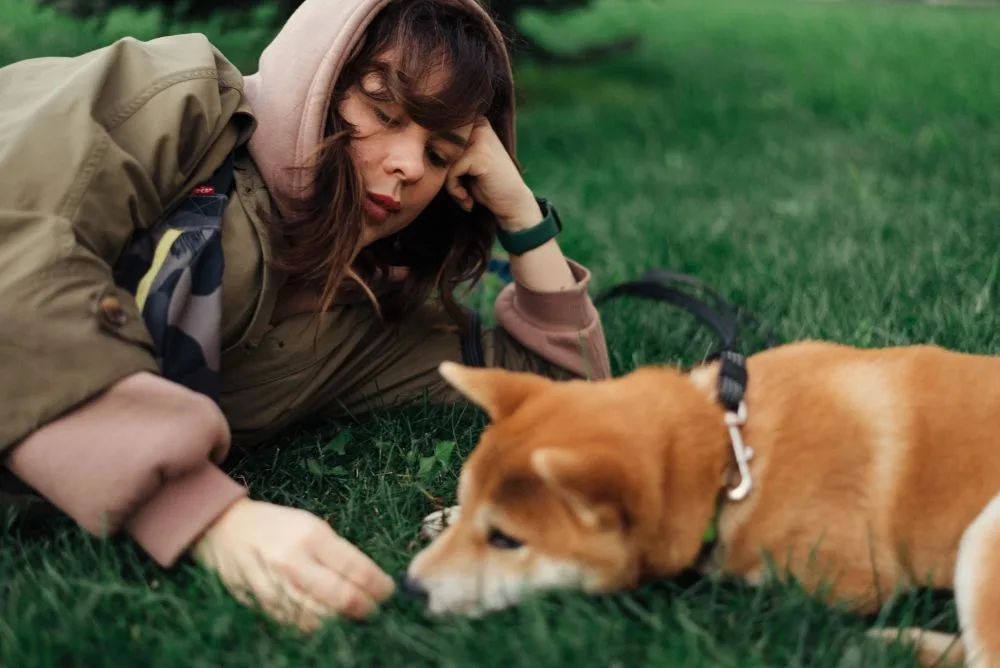
Training a dog doesn't have to be complicated. In fact, some of the most effective lessons come from short, consistent training sessions that fit naturally into daily routines. Positive reinforcement training focuses on rewarding desirable behaviors, helping dogs learn through encouragement rather than punishment. This approach not only improves obedience but also strengthens the bond between dogs and their owners.
Whether you have a young puppy or an older dog, practicing simple exercises at home can build confidence, improve communication, and encourage lifelong good behavior. Here are five easy training exercises that can contribute to everyday success.
Start with the Sit Command
The sit command is one of the most fundamental skills every dog should learn. It serves as the foundation for many other behaviors and helps establish focus during training sessions.
Begin by holding a treat near your dog's nose and slowly moving it upward and slightly backward. As your dog follows the treat, its hindquarters will naturally lower toward the floor. Once your dog sits, immediately provide the treat and offer praise.
Repeat this process several times, adding the verbal cue once your dog consistently understands the movement. Short, positive sessions help reinforce the behavior without causing frustration.
Practice Reliable Recall
Teaching your dog to come when called is one of the most valuable skills for safety and everyday management. A reliable recall can help prevent dangerous situations and improve off-leash control in appropriate environments.
Find a quiet area with minimal distractions and call your dog's name followed by a simple command such as "come." When your dog approaches, reward the behavior immediately with treats, praise, or play.
Consistent positive reinforcement dog training helps your pet associate returning to you with positive experiences. As your dog's recall improves, gradually practice in areas with more distractions to strengthen reliability.
Reward Calm Behavior
Many owners focus only on correcting unwanted behaviors while overlooking opportunities to reward good ones. Teaching calmness can be just as important as teaching commands.
Throughout the day, observe moments when your dog is lying quietly, relaxing on a bed, or remaining calm around visitors. Offer praise or a small reward to reinforce these desirable behaviors.
Over time, your dog learns that calm actions are rewarding and worth repeating. This exercise can help reduce attention-seeking behaviors and encourage a more relaxed household environment.
Teach "Leave It"
The "leave it" command helps dogs avoid items they should not touch, such as household objects, food scraps, or potentially dangerous items during walks.
Start by placing a treat in one hand and keeping it closed. Allow your dog to investigate but do not open your hand. The moment your dog stops trying to get the treat and looks away, reward with a different treat from your other hand.
Gradually introduce the verbal cue and increase the difficulty as your dog becomes more successful. This exercise strengthens impulse control and helps dogs make better decisions in everyday situations.
Encourage Loose-Leash Walking
Walking politely on a leash can make daily outings more enjoyable for both dogs and owners. Pulling often occurs because dogs learn that pulling helps them move forward faster.
When your dog begins pulling, stop walking immediately. Resume moving only when the leash becomes loose. Reward your dog for walking beside you with praise or treats.
Consistency is key. Over time, your dog learns that staying close and maintaining a loose leash results in forward movement and rewards. This exercise promotes better manners and more enjoyable walks.
Keep Training Fun and Consistent
Successful dog training depends on consistency, patience, and repetition. Training sessions should remain short, engaging, and enjoyable. Most dogs respond best to several brief sessions throughout the day rather than a single long practice period.
Using rewards that motivate your dog, maintaining a positive attitude, and celebrating small successes can help keep training productive. Every dog learns at a different pace, so progress may vary depending on the individual.
Conclusion
Positive reinforcement training provides an effective and enjoyable way to teach dogs valuable life skills. Simple exercises such as sit, recall, calm behavior rewards, leave it, and loose-leash walking can make a significant difference in everyday life. By practicing these techniques consistently, owners can build trust, improve communication, and encourage lasting good behavior. With patience and regular practice, even small training sessions can lead to long-term success for both dogs and their families.