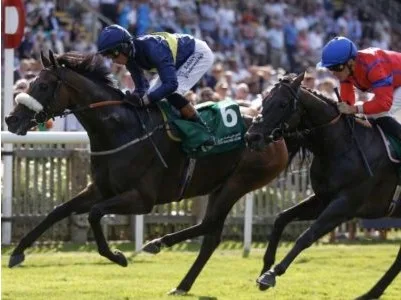
A horse-racing season is organised around far more than individual race days. Fixtures, race categories, distances, feature events, horse eligibility, and seasonal schedules all influence how owners, trainers, jockeys, and racing followers prepare for each meeting. Understanding the structure of a racing calendar can make following Bangalore Turf Club events more engaging and informative.
Race fixtures provide an overview of the scheduled meeting dates and major events planned across a season. They help racing professionals manage horse preparation and allow followers to track important races, emerging horses, and changing form over time. Each race day may include a mix of handicap races, maiden events, class races, and feature races designed for different groups of horses.
What Is a Racing Fixture?
A fixture is a scheduled race meeting that includes the date, race day number, and sometimes the names of featured events. It helps establish the structure of a racing season and gives participants time to plan entries, training schedules, travel arrangements, and race preparation.
At Bangalore Turf Club, a seasonal fixture list may include multiple race days across several months. The Bangalore Summer Meeting 2026, for example, included 28 racing days from May through July, with major events such as the Bangalore Summer Derby, Bangalore Million, and Bangalore St. Leger.thehindu+1
A fixture list does not always show every detail of each race. Full race conditions, entries, jockey bookings, weights, and final declarations are generally available closer to the race day. However, the fixture calendar provides the broad framework for the season.
Types of Races on a Race Day
A typical racing programme can include different race types based on age, experience, ratings, distance, and eligibility. These categories help create fairer competition by grouping horses according to relevant conditions.
Common race types include:
- Maiden races for horses that have not yet won
- Handicap races with assigned weights
- Class races based on ratings or performance levels
- Juvenile races for younger horses
- Sprint races over shorter distances
- Middle-distance races
- Staying races over longer distances
- Trophy races and named feature events
- Graded races for higher-quality competition
Following Bangalore Turf Club race cards can help readers understand how horses move through different stages of competition. A horse may begin in maiden races, progress through handicap categories, and eventually compete in more prestigious races if its performances improve.
Race conditions are important because they explain which horses are eligible. A race restricted to three-year-olds, for example, will have different competitive dynamics from one open to older horses. Similarly, a handicap race may require close attention to the weights assigned to each runner.
Why Distance Matters
Race distance is one of the most important details on a race card. Horses have different strengths, and their preferred distances can vary depending on conformation, fitness, pedigree, running style, and past experience.
Short-distance races often place greater emphasis on early speed and quick acceleration. Longer races can test stamina, pace management, and a horse’s ability to maintain effort over an extended distance.
The Bangalore Turf Club calendar includes races over a variety of distances. Feature events may range from short sprints to longer classic races, allowing different types of horses to compete over conditions suited to their abilities. The Bangalore Summer Derby is run over 2000 metres, while the Bangalore St. Leger is a longer-distance event.bangaloreraces+1
When reading a race card, compare the distance with the horse’s previous runs. A horse that has performed well over 1200 metres may not necessarily show the same form over 1600 or 2000 metres. Reviewing past performances at comparable distances offers more useful context than looking at finishing positions alone.
Follow Horses Across the Season
A season allows followers to observe how horses develop through successive runs. Young horses may improve with experience, while older horses may return after rest periods, changes in training, or shifts in race distance.
To follow a horse across multiple race days, note:
- Previous finishing positions
- Race distance
- Assigned weight
- Jockey changes
- Trainer information
- Days since the last race
- Racecourse conditions
- Class of opposition
- Margin between finishers
- Whether the horse has won or placed at a similar distance
A strong performance should always be viewed in context. A horse may finish outside the top positions but still run competitively against a stronger field or under less suitable conditions. Likewise, a previous win does not guarantee future success because each race presents a new combination of competitors and circumstances.
The Role of Trainers and Jockeys
Trainers are responsible for managing a horse’s preparation, fitness, race selection, and overall campaign. Choosing the right race is an important decision because it involves evaluating the horse’s current condition, distance preferences, rating, and readiness.
Jockeys influence how a race unfolds through positioning, pace judgement, and decisions made during the race. A jockey may need to adapt quickly to how the field is moving, whether the pace is fast or slow, and how the horse responds during different stages of the contest.
At Bangalore Turf Club, racecards typically identify both the trainer and jockey for each runner. This information can help followers understand existing partnerships and observe how different riding or training approaches influence performance over time.
However, racing outcomes remain unpredictable. Weather, track conditions, starting positions, pace, fitness, and race incidents can all affect the final result.
Follow Racing Responsibly
Horse racing is best followed with an appreciation for equine care, athletic performance, racecourse management, and the skills of trainers and jockeys. Racing followers can learn more by reviewing official fixtures, race cards, results, and race replays.
It is important to avoid treating past results as guarantees. Every race has its own conditions, and unexpected outcomes are part of the sport. Responsible participation means setting limits, following official information, and making decisions without relying on emotion or certainty.
Conclusion
A racing fixture provides the structure for an entire season, helping participants and followers understand when major events, handicaps, juvenile races, and feature contests will take place. Reading race cards alongside fixture calendars can make it easier to follow horses, trainers, jockeys, and changing form throughout the year. Comparing schedules from RWITC Mumbai and other racing centres can also help enthusiasts understand how Indian racing seasons vary by venue, distance, and featured events. A careful, sport-focused approach allows followers to appreciate the planning and performance behind every race day. Tracking results over time can build a deeper understanding of horses and racing conditions.