Modern homes are becoming more connected, convenient, and focused on creating comfortable living spaces. Among the many smart home upgrades available today, automated curtains offer a simple yet impressive way to improve everyday living. With the ability to open and close curtains automatically, homeowners can control privacy, natural light, and the overall atmosphere of a room with minimal effort. Whether you are designing a new home, updating an existing interior, or creating a modern office, automated curtains can add both practical value and contemporary elegance.
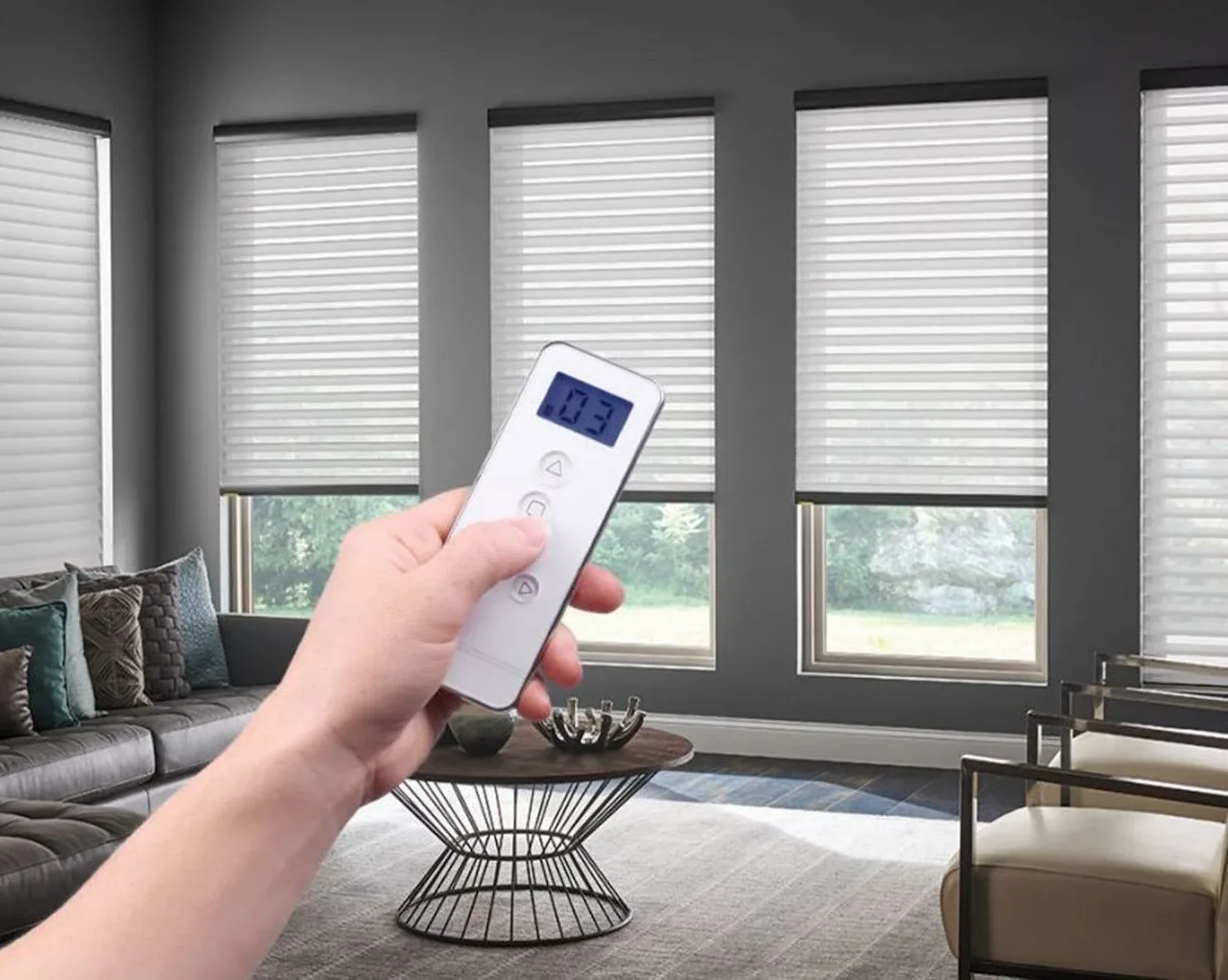
Automated curtains are designed to operate through a motorized system that allows curtains to move smoothly along their track. Depending on the system, they can be controlled using a remote, wall switch, smartphone, voice command, or scheduled settings. This combination of convenience and modern design makes automated curtains an increasingly popular choice for bedrooms, living rooms, offices, hotels, and other interior spaces.
What Are Automated Curtains?
Automated curtains are window coverings operated by a motor rather than manually pulling the fabric across the window. A compact motor is connected to the curtain track, allowing the curtains to move when a command is given. The system can be installed with different curtain styles and fabrics, making it suitable for a wide range of interior designs.
The technology behind automated curtains is designed to make movement smooth and quiet. Instead of reaching for the curtain every morning or evening, users can operate the window covering with a simple control. Some advanced systems can also be programmed to follow a daily schedule, opening the curtains at a chosen time and closing them later.
This makes automated curtains more than a decorative feature. They become part of the daily routine of a home or workplace.
Why Automated Curtains Are Becoming Popular
The popularity of automated curtains comes from the growing interest in convenient home solutions. People want their homes to feel comfortable without adding complicated routines to everyday life. Curtains are used several times a day in many households, so automating them can make a noticeable difference.
For large windows, tall glass doors, or hard-to-reach windows, automated operation can be especially useful. A traditional curtain may require someone to walk across the room to adjust it, while an automated curtain can be operated from a convenient location.
The clean appearance of motorized curtain systems is another reason homeowners choose them. When properly installed, the technology can remain discreet while the curtain fabric continues to be the main visual feature.
A New Level of Everyday Convenience
One of the strongest benefits of automated curtains is convenience. Imagine waking up in the morning and having your bedroom curtains open according to a preset schedule. Instead of manually adjusting them, the curtains can begin moving at the selected time.
The same concept can be used in the evening. Curtains can close automatically at a scheduled hour, helping create a more private and relaxing atmosphere.
For people with busy lifestyles, these small improvements can make a home feel easier to manage. Automated curtains can also be useful when entertaining guests because the curtains can be adjusted without interrupting a conversation or leaving your seat.
Automated Curtains and Smart Home Living
Smart home technology has changed how people interact with everyday household features. Lighting, security systems, thermostats, entertainment devices, and window coverings can now work together through connected controls.
Automated curtains can become part of this environment. A homeowner may create a morning routine that opens curtains and activates other connected devices at the same time. An evening routine could close the curtains and adjust room settings for a calmer atmosphere.
Smart integration can vary depending on the curtain system and the devices already installed in the home. Some products are designed to connect with popular smart home platforms, while others use dedicated applications or remote controls.
The result is a more coordinated interior where different features can respond to the homeowner's preferences.
Better Control of Natural Light
Natural light can completely change the appearance of an interior. Too much brightness may make a room uncomfortable, while too little light can make the space feel dull. Automated curtains give homeowners greater control over this balance.
Curtains can be opened partially when a softer amount of daylight is preferred. They can also be closed when the room requires greater privacy or a more relaxed atmosphere.
This control is particularly useful in rooms with large windows. Rather than leaving curtains fully open or completely closed, users can adjust them according to the conditions inside the room and their personal preferences.
Creating More Privacy
Privacy is an important consideration for homes, offices, bedrooms, and hospitality spaces. Automated curtains provide an easy way to adjust privacy whenever it is needed.
A scheduled curtain system can close at a specific time each evening, helping ensure that windows are covered as part of the household routine. Users can also close the curtains immediately with a remote or connected control.
For rooms facing busy streets or neighboring properties, this added convenience can make everyday living more comfortable.
A Stylish Addition to Modern Interiors
Automated curtains do not have to look overly technical. Modern motorized curtain systems are often designed to blend naturally with interior décor. The curtain fabric, color, length, and texture can be selected to complement the room.
Minimalist interiors can benefit from simple, flowing curtains that create a clean appearance. More traditional spaces can use richer fabrics while still enjoying automated operation.
The technology works behind the scenes, allowing the curtain itself to remain the central decorative feature. This makes automated curtains suitable for many different design styles.
Automated Curtains for Bedrooms
The bedroom is one of the most suitable places for automated curtains. Curtains can be programmed to open gradually in the morning, creating a pleasant start to the day.
At night, they can close according to a preferred schedule. This eliminates the need to manually adjust curtains before going to sleep.
Automated curtains can also be useful for bedrooms with multiple windows. Instead of adjusting each curtain separately, a connected system can operate them together.
Automated Curtains for Living Rooms
Living rooms often contain large windows or sliding glass doors, making them ideal for motorized curtain solutions. The curtains can be opened during social gatherings to create a bright, open environment and closed later when privacy is desired.
A remote or smartphone control allows users to make adjustments without walking across the room. This is particularly convenient when the curtains cover a wide area.
Because the living room is often one of the most visible areas of a home, selecting attractive curtain fabric and a well-designed track can also contribute to the room's overall appearance.
Automated Curtains for Offices
Offices can also benefit from automated window coverings. Employees may need different levels of natural light throughout the day, while meeting rooms may require more privacy during presentations or discussions.
Automated curtains can help create a more adaptable workplace. A scheduled system can operate curtains according to office hours, while manual controls can provide flexibility when required.
In executive offices, conference rooms, and reception areas, motorized curtains can also contribute to a polished and modern appearance.
Choosing the Right Curtain Fabric
The fabric remains an important part of the overall curtain system. Automated technology controls movement, but the fabric determines much of the visual character of the room.
Lightweight fabrics can create an airy appearance, while heavier materials can provide a more substantial look. Different textures can also affect how the curtain interacts with furniture, flooring, walls, and other decorative elements.
When choosing fabric, homeowners should consider the size of the window, the room's interior style, the desired level of privacy, and how often the curtains will be operated.
Selecting a Suitable Motorized Track
The curtain track is another important component. A suitable track should match the curtain's size and weight while providing smooth movement.
Professional installation can help ensure that the track is positioned correctly and that the curtains move evenly from one side to another. For wider windows, the system may be designed to open from the center or move in a single direction.
The right configuration depends on the window layout and the preferred curtain style.
Remote and Smart Controls
Different automated curtain systems offer different control methods. A basic system may include a handheld remote, while more advanced options can provide smartphone control.
Wall-mounted controls are another practical choice because they provide a familiar way to operate the curtains without searching for a remote.
Smart systems may also support voice commands or scheduled operation. The best choice depends on how much automation the homeowner wants and how the curtain system will fit into the existing home setup.
Scheduling Automated Curtains
Scheduling is one of the most useful features of automated curtains. Instead of controlling the curtains manually every day, users can establish preferred opening and closing times.
For example, curtains can open in the morning and close in the evening. A different schedule can be created for weekends or holidays if the system supports multiple routines.
Scheduling can also make a room feel more consistent because curtain movement becomes part of the home's regular daily rhythm.
Automated Curtains in Large Homes
Large homes often have many windows, making manual curtain operation inconvenient. Automated systems can simplify this process by allowing several curtains to operate together.
Different rooms can have individual schedules, while selected curtains can be grouped for simultaneous operation. This provides a more organized approach to managing window coverings throughout the property.
For homes with high ceilings or oversized windows, motorized operation can be especially practical.
Installation Considerations
A successful automated curtain installation begins with accurate measurements. The window width, curtain length, track position, and available power arrangement all need to be considered.
The motor should be positioned securely, while the curtain track should be aligned properly to support smooth movement. Poor installation can affect the appearance and operation of the system, so professional installation is often a sensible choice.
It is also important to consider where controls will be located and whether the system needs to connect with other smart home devices.
Maintaining Automated Curtains
Automated curtains are designed for regular use, but basic care can help maintain smooth operation. Curtain fabric should be cleaned according to its material and manufacturer's instructions.
The track should remain clear so the curtain can move without unnecessary resistance. If unusual sounds or movement appear, the system should be checked rather than repeatedly operated under difficult conditions.
Following the manufacturer's maintenance recommendations can help preserve the performance of the motor and track.
Automated Curtains for a More Organized Home
A home often feels more organized when everyday tasks become simple and predictable. Automated curtains contribute to this feeling by turning a repetitive task into an effortless part of the daily routine.
Instead of remembering to open curtains every morning or close them every evening, homeowners can rely on programmed settings. Manual control remains available whenever changes are needed.
This balance between automation and personal control makes automated curtains a practical addition to modern interiors.
The Future of Automated Window Coverings
As smart home technology continues to develop, automated window coverings are likely to become even more connected and adaptable. Future systems may offer more personalized schedules, improved compatibility with connected devices, and increasingly refined control options.
The goal is not simply to make curtains move automatically. It is to create window coverings that respond naturally to the way people use their homes.
For homeowners interested in combining modern technology with attractive interior design, automated curtains provide an appealing solution that can evolve alongside other smart home features.
Conclusion
Automated curtains bring together convenience, modern design, and practical control in one simple window solution. They can make daily routines easier, provide flexible privacy, improve control over natural light, and complement a wide range of interior styles.
From bedrooms and living rooms to offices and large modern properties, automated curtain systems can be adapted to different spaces and personal preferences. With suitable fabric, a reliable motorized track, and the right control method, curtains can become a seamless part of a connected interior.
As homes continue to embrace smarter technology, automated curtains stand out as an upgrade that is both functional and visually appealing. They transform an ordinary window covering into a convenient part of everyday living while maintaining the elegance and comfort that a well-designed interior should provide.