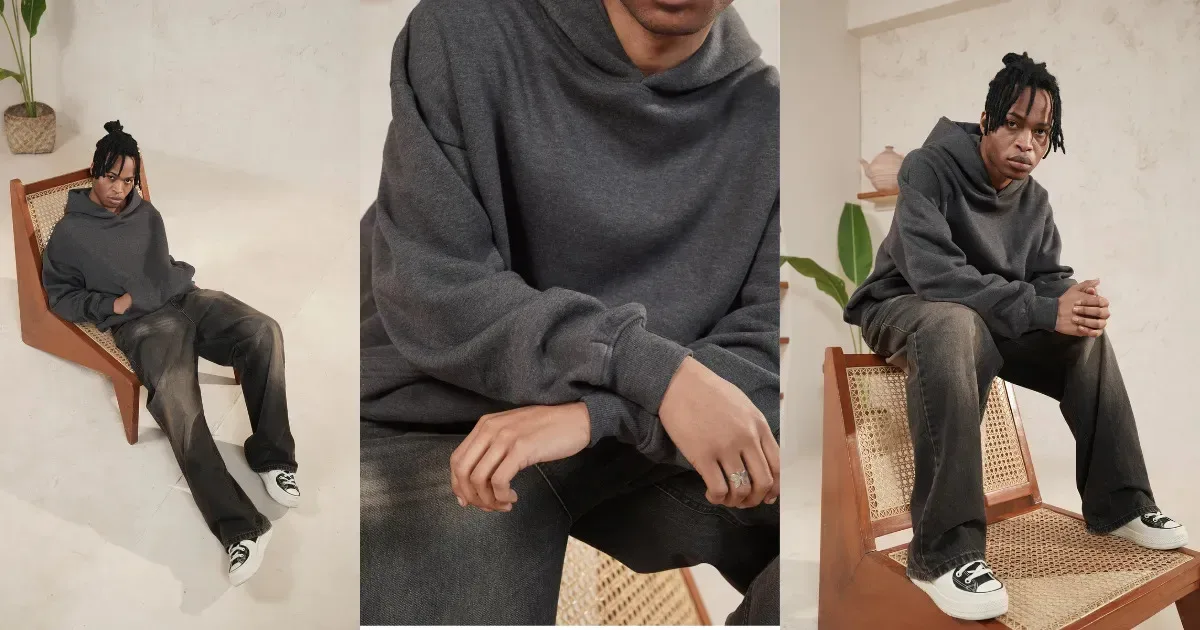
The short answer is yes. For many people, a heavyweight oversized blank hoodie is one of the most practical pieces of clothing you can own. It offers comfort, durability, and versatility that lighter hoodies often struggle to match.
That said, not every heavyweight hoodie feels the same, and not every climate or lifestyle makes one the perfect choice. I've worn everything from thin cotton hoodies that lost their shape after a few months to Fashionable Blanks 400 GSM hoodie designs that still look fresh after years of regular use.
One thing I've noticed is that people often judge a hoodie by how heavy it feels in their hands instead of how it performs throughout the day. Weight alone doesn't determine comfort. Fabric quality, fit, construction, and even how the hood is designed all play a part.If you're considering heavyweight oversized blank hoodies for daily use, it's worth understanding what you're actually buying rather than focusing on marketing labels.
The right hoodie can become the one you reach for every morning, while the wrong one can end up sitting in the closet because it's too stiff, too warm, or simply uncomfortable.This guide explains why heavyweight hoodies have become so popular, when they work best, when they don't, what features matter most, and how to decide if one fits your lifestyle.
The Short Answer: Yes, For Most People
For everyday wear, a well-made heavyweight hoodie for everyday wear is an excellent choice. It offers a balance of warmth, comfort, durability, and style that suits a wide range of people. Students appreciate them during long days on campus, remote workers enjoy the comfort at home, and travelers like having one reliable layer that works in changing temperatures.
The key phrase here is "well-made." A cheap heavyweight hoodie made from poor-quality fabric can feel stiff, trap too much heat, and lose its shape despite its weight. On the other hand, a premium heavyweight hoodie often becomes softer after several washes while keeping its structure.
Another factor is climate. If you spend most of the year in mild or cool weather, wearing one daily makes a lot of sense. In very hot or humid regions, even the most breathable heavyweight cotton can become uncomfortable during the warmest months.
Lifestyle also matters. Someone walking between classes, commuting to work, or running errands will likely appreciate the extra warmth and durability. Someone exercising outdoors in summer probably won't.
The biggest misconception is that heavier automatically means less comfortable. In my experience, a properly made heavyweight hoodie actually distributes its weight evenly, making it feel secure rather than restrictive. Instead of clinging to your body like thinner fabrics sometimes do, it hangs naturally and moves with you.
What Is a Heavyweight Oversized Blank Hoodie?
A heavyweight oversized hoodie is exactly what the name suggests, but each word has a specific meaning that affects how the hoodie feels in daily use.
"Heavyweight" refers to fabric density rather than physical weight alone. "Oversized" describes a deliberately relaxed fit instead of simply buying a larger size. "Blank" means there are no graphics, logos, or printed designs, making the hoodie versatile enough to wear with almost anything.
When these three elements come together, you get a hoodie that focuses on comfort, structure, and simplicity instead of loud branding.
What Makes a Hoodie Heavyweight?
Fabric weight is usually measured in GSM, which stands for grams per square meter. Higher GSM means denser fabric.
250 to 300 GSM
This is often considered lightweight to lower midweight. These hoodies are breathable and comfortable but usually don't have much structure. They work well in spring and early autumn but may wear out faster if used every day.
320 to 350 GSM
This range strikes a nice balance for many people. It feels noticeably thicker while remaining flexible enough for regular movement. Many everyday hoodies fall into this category.
400 GSM
A 400 GSM hoodie is where heavyweight clothing starts to show its advantages. The fabric feels substantial, provides better insulation, and generally holds its shape much longer. If you're looking for long-term durability without excessive bulk, this is often the sweet spot.
450 GSM and above
These hoodies feel premium and extremely solid. They're ideal for cold weather and people who like structured garments. However, they can become too warm for year-round use in hotter climates.
One thing that surprises most people is that higher GSM doesn't always mean a hoodie feels heavier while wearing it. High-quality cotton and thoughtful construction can make a thick hoodie feel surprisingly balanced.
What Does Oversized Mean?
Oversized doesn't mean wearing clothing that's simply too big.
A proper oversized fit includes dropped shoulders, roomier sleeves, a wider body, and a slightly boxy silhouette. The proportions are intentional, allowing the hoodie to drape naturally without looking sloppy.
This design has practical benefits beyond appearance. The extra room improves airflow, makes layering easier, and allows greater freedom of movement. Whether you're sitting through lectures, working from home, or traveling for hours, that relaxed fit often feels less restrictive than a slim-cut hoodie.
After wearing both regular and oversized hoodies for years, I've found that the oversized fit tends to stay comfortable throughout the day because nothing feels tight around the shoulders or chest.
Why Blank Hoodies Are So Popular
Blank hoodies have become popular because they don't limit how you wear them.
Without logos or large graphics, they pair easily with jeans, joggers, cargo pants, shorts, or even tailored trousers for casual office settings. They're also gender-neutral, making them appealing to a wide range of people.
Another advantage is longevity. Fashion trends come and go, but a simple blank heavyweight hoodie rarely feels outdated. Five years from now, it will probably still work with your wardrobe.
They're also popular for customization. Some people add embroidery or screen printing later, while others appreciate the clean, minimal appearance exactly as it is.
Sometimes the simplest design ends up being the one you wear the most.
Why Heavyweight Oversized Blank Hoodies Are Great for Daily Wear
All-Day Comfort
Comfort isn't just about softness. It's about how a garment feels after eight or ten hours of wear.
A good heavyweight hoodie supports itself instead of constantly shifting around your body. Thin hoodies often bunch up under jackets or stretch at the elbows after repeated movement. A quality blank heavyweight hoodie tends to stay where it's should.
The oversized cut also reduces pressure around the shoulders and upper arms. Whether you're carrying a backpack, driving, working at a desk, or relaxing at home, that extra room makes a noticeable difference.
Another overlooked benefit is temperature stability. Heavyweight cotton doesn't fluctuate as quickly as thinner fabrics. Walking from a cool morning outside into a heated building feels less dramatic because the fabric helps regulate warmth more gradually.
The interior finish matters too. A brushed fleece lining feels soft against the skin without becoming itchy after several washes. Better-quality fleece also resists flattening, so the hoodie stays comfortable longer.
Better Durability Than Lightweight Hoodies
One reason people choose heavyweight hoodie durability over lighter options is simple. They usually last longer.
Thicker fabric naturally withstands repeated washing, daily friction, backpack straps, and frequent movement better than lightweight materials.
I've seen lightweight hoodies develop tiny holes near the pocket corners or stretched cuffs within a year of regular use. Good heavyweight hoodies rarely show that kind of wear so quickly because the fabric has more substance.
Durability also depends on stitching. Reinforced seams, quality ribbing, and well-attached pockets prevent common failure points that appear with cheaper garments.
While no hoodie lasts forever, investing in better construction often means replacing it much less often.
Excellent Shape Retention
Shape retention is one of the biggest differences between heavyweight and lightweight hoodies.
After repeated washing, lighter hoodies can twist slightly, stretch unevenly, or lose their original silhouette. The shoulders may sag, and the hood may become floppy.
A well-made heavyweight hoodie maintains its structure much better.
The cuffs stay snug.
The hem keeps its shape.
The hood continues to sit properly instead of collapsing flat.
That consistent appearance makes the hoodie look newer for longer, even after months of regular wear.
Reliable Warmth Without Feeling Excessively Bulky
People often assume thick hoodies automatically feel oversized in a bad way, but that's rarely true when they're designed well.
The denser fabric traps warmth efficiently without requiring multiple layers. On cool mornings or breezy evenings, a heavyweight hoodie often replaces the need for a jacket altogether.
At the same time, breathable cotton prevents the stuffy feeling sometimes associated with synthetic fleece garments.
Warmth comes from fabric quality as much as thickness.
Easy Styling for Everyday Outfits
One reason oversized hoodie daily use has become so common is versatility.
A neutral-colored hoodie works with almost every casual outfit. Throw it on with denim for errands, joggers for travel, or chinos for a relaxed office dress code.
The structured fit also looks intentional. Instead of appearing oversized because it's the wrong size, it creates clean proportions that suit modern casual style.
Many people buy one for comfort and end up wearing it because it's simply the easiest item in their wardrobe to style.
Long-Term Value
A heavyweight hoodie usually costs more upfront, but the value becomes clear over time.
If you wear a hoodie three or four times every week, durability matters far more than saving a little money on the initial purchase.
A quality hoodie that keeps its fit, softness, and appearance for several years often works out to be less expensive per wear than replacing cheaper alternatives every season.
More importantly, you end up with a piece of clothing you genuinely enjoy wearing instead of one you're constantly thinking about replacing.
Potential Drawbacks of Wearing One Every Day
No piece of clothing is perfect, and a heavyweight oversized hoodie has a few trade-offs that are worth understanding before you buy one.
The biggest limitation is heat. If you live somewhere with long, hot summers or consistently high humidity, a heavyweight hoodie can become uncomfortable for part of the year. Even breathable cotton has limits when temperatures climb. You may find yourself reaching for a lighter layer during the warmest months.
Weight is another consideration. While the difference isn't dramatic when you're wearing it, you'll notice it if you're carrying it around all day in a backpack. A 400 GSM hoodie simply takes up more space than a lightweight option.
Drying time is something people rarely think about until laundry day. Because there's more fabric, heavyweight hoodies naturally take longer to air dry. If you avoid using a dryer, plan on giving it extra time before wearing it again.
Price is the final hurdle. A well-made heavyweight hoodie usually costs more because it uses more material and better construction. At first glance, that higher price can seem difficult to justify.
In my experience, though, these drawbacks aren't deal breakers for most people. They're simply trade-offs. If your climate, wardrobe, and lifestyle suit a heavyweight hoodie, the extra warmth, durability, and comfort often outweigh the disadvantages.
Who Benefits Most From Wearing One Every Day?
Some clothing works for almost everyone, but certain lifestyles benefit more from a heavyweight hoodie for everyday wear than others.
Students often get the most value from one. Walking across campus in cool mornings, spending hours in air-conditioned classrooms, and studying late into the evening all call for a comfortable layer that can handle constant use. A durable hoodie also stands up well to heavy backpacks and frequent washing.
Office workers with relaxed dress codes appreciate the clean look of a blank heavyweight hoodie. A plain design in black, grey, navy, or cream looks polished enough for many casual workplaces while staying comfortable throughout the day.
Remote workers naturally gravitate toward oversized hoodies because they're comfortable without looking sloppy during video meetings. The relaxed fit allows you to stay comfortable for long hours at a desk.
Travelers benefit from the warmth and versatility. Airports, trains, and airplanes often fluctuate between too warm and too cold, and one dependable hoodie can solve both problems.
Gym-goers frequently wear one before and after training sessions when muscles are cooling down. It's also useful during outdoor warm-ups in cooler weather.
Streetwear enthusiasts enjoy the structured silhouette that heavyweight fabrics provide. Content creators and photographers also appreciate how a heavyweight oversized hoodie keeps its shape on camera instead of appearing wrinkled or thin.
Anyone who prefers buying fewer, better-quality clothes rather than replacing cheap garments every year will probably appreciate the long-term durability.
When Is a Heavyweight Hoodie Not the Best Choice?
Even though I wear heavyweight hoodies regularly, there are times when I deliberately choose something lighter.
Hot summers are the most obvious example. Once temperatures stay consistently high, even a breathable cotton hoodie can feel excessive. A lightweight sweatshirt or T-shirt simply makes more sense.
Humid climates present a similar challenge. Moist air reduces your body's ability to cool itself, so thicker fabrics become less comfortable than they would in dry weather.
Heavyweight hoodies also aren't ideal for intense exercise. Activities like running, competitive sports, or long hikes generate enough body heat that the extra insulation quickly becomes uncomfortable.
Formal occasions are another situation where a hoodie isn't the right choice, regardless of how well it's made. Business meetings, weddings, and other dressier events usually call for more structured clothing.
Extended outdoor work or sightseeing in direct summer sun can also make a heavyweight hoodie feel like too much.
The good news is that these situations don't mean heavyweight hoodies are impractical. It simply means they're one tool in your wardrobe rather than the answer to every situation.
What Features Should You Look For in a Daily-Wear Heavyweight Hoodie?
Buying a heavyweight hoodie based only on GSM is one of the biggest mistakes people make. Fabric weight matters, but several other features have just as much impact on daily comfort and durability.
Fabric Composition
For everyday use, I generally prefer cotton-rich fabrics. A blend of around 80 to 100 percent cotton provides softness, breathability, and a natural feel against the skin. Small amounts of polyester can improve durability and reduce shrinkage, but too much synthetic fiber can make the hoodie feel less breathable.
A combed or ring-spun cotton fabric usually feels smoother and pills less over time than lower-grade cotton.
Ideal GSM
For most people, somewhere between 380 and 420 GSM offers the best balance.
A 400 GSM hoodie feels substantial without becoming excessively heavy. It provides enough warmth for much of the year while remaining comfortable for everyday wear in cool or moderate climates.
Going above 450 GSM makes sense if you live in colder regions or simply enjoy a thicker garment.
Construction Quality
Look beyond the fabric.
Check whether the hoodie hangs evenly. Poor construction often causes twisting after washing, while quality construction keeps the garment balanced.
Double-stitched seams are another positive sign because they're less likely to separate with repeated wear.
Stitching
Strong stitching is one of those details you rarely notice until it's missing.
Pay attention around the shoulders, pocket corners, underarms, and hood attachment. These areas experience the most stress during everyday use.
Loose threads aren't always disastrous, but uneven stitching often indicates lower manufacturing standards.
Hood Design
A well-designed hood should feel substantial without constantly sliding backward.
The hood should sit comfortably whether you're wearing it up or down. A hood that's too thin often collapses awkwardly, while an overly bulky one can pull the neckline backward.
Adjustable drawstrings should move smoothly without feeling flimsy.
Cuffs and Hem
Good ribbed cuffs help sleeves stay in place without squeezing your wrists.
Likewise, the waistband should maintain its elasticity after repeated washing. Weak ribbing is one of the first signs of a lower-quality hoodie because it stretches out much faster than the body fabric.
Pocket Construction
Front pockets receive more stress than almost any other part of the hoodie.
Look inside the pocket if possible. Reinforced stitching at both ends helps prevent tearing, especially if you regularly carry keys, phones, or wallets.
A sturdy pocket is something you'll appreciate years after buying the hoodie.
Heavyweight vs Midweight vs Lightweight Hoodies
FeatureLightweightMidweightHeavyweightTypical GSM250 to 300 GSM320 to 350 GSM380 to 450+ GSMWarmthLowModerateHighBreathabilityHighestGoodModerateComfortVery comfortable in warm weatherComfortable year-roundBest in cool weatherDurabilityModerateGoodExcellentShape RetentionFairGoodExcellentBest SeasonsSpring and summerSpring, autumn, mild winterAutumn and winter, cool climatesBest Use CasesExercise, layering, warm weatherDaily all-season wearEveryday casual wear, travel, streetwear, cold weatherThe comparison isn't really about which one is better. It's about choosing the right tool for your lifestyle.
If you spend most of your time in warm climates or stay active outdoors, lightweight hoodies make more sense.
If your weather changes frequently throughout the year, midweight hoodies offer excellent versatility.
If comfort, structure, longevity, and premium feel matter most, heavyweight oversized blank hoodies are hard to beat. After using all three over the years, I find myself reaching for heavyweight options most often once temperatures begin to cool because they simply feel more substantial and hold up better over time.
How to Make a Heavyweight Hoodie Last for Years
One advantage of a quality heavyweight hoodie is that it can stay in excellent condition for years if you treat it properly.
Wash it inside out to reduce friction on the outer fabric. Cold water is usually the safest choice because it helps preserve color and reduces the chance of shrinkage.
Avoid using excessive detergent. More soap doesn't make clothing cleaner. It often leaves residue that affects softness over time.
If possible, air dry your hoodie. While occasional tumble drying isn't necessarily harmful, repeated high heat can slowly damage cotton fibers and reduce the elasticity of the cuffs and waistband.
Fold the hoodie rather than hanging it on a thin hanger for long periods. Heavy fabrics can stretch slightly at the shoulders if left hanging continuously.
I've also found that rotating between two or three hoodies instead of wearing the same one every day significantly extends their lifespan.
Signs You're Buying a High-Quality Heavyweight Oversized Blank Hoodie
A few simple checks can tell you a lot about quality before you spend your money.
- Dense fabric that feels substantial without being stiff
- Even stitching with no loose threads
- Soft brushed interior that feels consistent throughout
- Thick ribbed cuffs that return to shape after stretching
- Strong waistband with good elasticity
- Durable drawstrings that don't fray easily
- Reinforced kangaroo pocket corners
- Hood that holds its shape instead of collapsing flat
- Fabric that hangs evenly without twisting
- Consistent construction across sleeves, shoulders, and body
When several of these details come together, you're usually looking at a hoodie built for years of regular wear rather than one designed to look good only on the first day.
Conclusion
For most people, the answer is yes. A well-made heavyweight oversized blank hoodie offers a combination of comfort, durability, warmth, and timeless style that makes it an excellent everyday layer. It isn't popular simply because it's fashionable. It has earned that reputation because it performs well in real life.
What I've learned after wearing different hoodie weights over the years is that comfort isn't determined by thickness alone. The quality of the cotton, the GSM, the construction, the fit, and the finishing details all influence how the hoodie feels after hours of wear and repeated washing. A thoughtfully made 400 GSM hoodie can feel more comfortable than a poorly made lightweight hoodie because it fits better, keeps its shape, and distributes its weight more naturally.
That doesn't mean it's the right choice for everyone. If you live in a tropical climate, spend most of your day outdoors in the heat, or need clothing for high-intensity exercise, a lighter hoodie will probably serve you better. On the other hand, if your daily routine includes commuting, studying, working, traveling, or simply wanting one dependable layer that goes with almost everything, a heavyweight oversized hoodie is difficult to beat.
The best buying decision comes down to matching the hoodie to your environment, your budget, and how you actually dress every day. If you value clothing that feels substantial, lasts for years, and remains comfortable through regular use, investing in a quality heavyweight oversized blank hoodie is usually money well spent.
FAQs
Are oversized hoodies better than regular-fit hoodies?Whether an oversized hoodie is better than a regular-fit hoodie depends on how you dress and what you expect from your clothing. Oversized hoodies are designed with dropped shoulders, a roomier body, and wider sleeves, creating a relaxed fit that allows for greater freedom of movement. If you spend long hours studying, traveling, working from home, or simply prefer comfortable clothing, an oversized fit often feels less restrictive throughout the day.
Regular-fit hoodies, on the other hand, offer a more tailored appearance and work well for people who prefer a closer fit or frequently layer under slimmer jackets. In my experience, oversized hoodies are the better choice for casual everyday wear because they stay comfortable for longer periods and adapt well to different outfits, while regular-fit hoodies are ideal when you want a cleaner, more fitted look.
What fabric is best for a daily-wear heavyweight hoodie?The best fabric for a daily-wear heavyweight hoodie is usually a cotton-rich blend. High-quality combed or ring-spun cotton feels soft against the skin, remains breathable, and becomes even more comfortable after several washes. Many premium heavyweight hoodies also include a small percentage of polyester, which helps improve durability, reduce shrinkage, and maintain the hoodie's shape without making it feel overly synthetic.
Fabric quality matters just as much as fabric weight. I've handled heavyweight hoodies with the same GSM that felt completely different because one used better cotton fibers and superior finishing. A well-made cotton-rich fabric provides the comfort, durability, and breathability needed for everyday wear while standing up to frequent washing and regular use.
Are heavyweight hoodies worth the higher price?For people who wear hoodies regularly, a quality heavyweight hoodie is often worth paying a little more for. Better materials, stronger stitching, thicker ribbing, and improved construction usually translate into a garment that lasts much longer than cheaper alternatives. Instead of stretching out or fading quickly, a good heavyweight hoodie often keeps its shape and appearance for years with proper care.
The higher upfront cost can actually save money over time because you're less likely to replace it every season. In my experience, it's better to own one or two well-made heavyweight hoodies that you genuinely enjoy wearing than several inexpensive ones that lose their comfort and structure after repeated washing.
Can you layer a heavyweight oversized hoodie under a jacket?Yes, you can layer a heavyweight oversized hoodie under many types of jackets, provided the outer layer has enough room. Denim jackets, bomber jackets, chore coats, oversized puffer jackets, and relaxed-fit wool coats usually pair well with heavyweight hoodies because they accommodate the extra fabric without restricting movement.
The key is paying attention to fit. If both the hoodie and jacket are cut too slim, the combination can feel bulky around the shoulders and sleeves. I've found that choosing a jacket with a slightly relaxed fit creates a much more comfortable layering system while still maintaining a clean, balanced appearance.
What GSM is best for an everyday oversized hoodie?For most people, the ideal range for an everyday oversized hoodie is between 380 and 420 GSM. This range offers a great balance of warmth, comfort, durability, and structure without feeling excessively heavy. A 400 GSM hoodie, in particular, has become a popular choice because it provides a premium feel while remaining practical for regular use in cool and moderate climates.
That said, the right GSM also depends on where you live and how you plan to wear the hoodie. If you experience cold winters, you may appreciate fabrics above 450 GSM for extra insulation. If your climate is milder, staying around 380 to 400 GSM usually provides enough warmth while remaining comfortable for daily wear across much of the year.