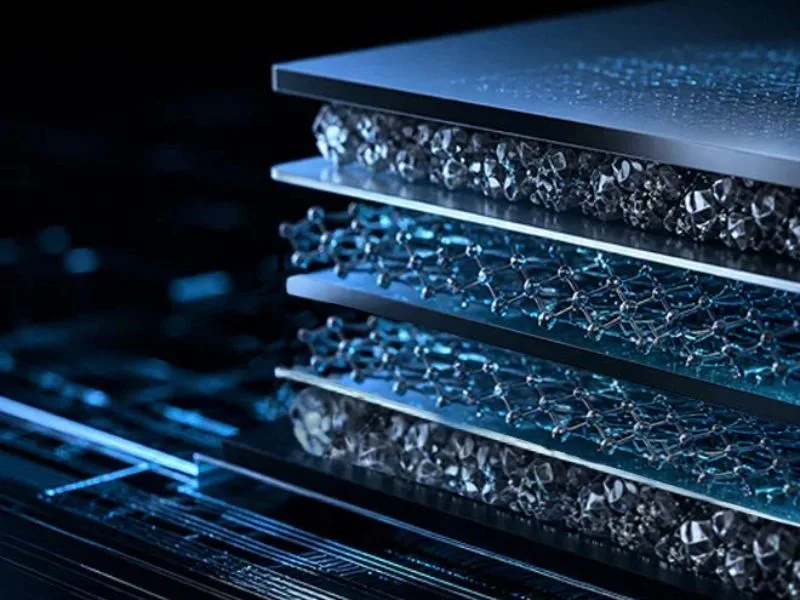
The battery industry is moving towards new technologies that can support electric vehicles, renewable energy storage, consumer electronics, and other modern applications. As demand for efficient energy storage continues to grow, researchers and manufacturers are exploring advanced materials that can improve battery design and performance. Solid-state battery technology is one of the important areas receiving attention. Choosing an experienced solid-state battery material supplier is an important step for organizations working in this developing field. The right materials can help researchers investigate new battery designs, study electrochemical properties, and explore future energy storage possibilities. Ampcera focuses on advanced battery materials, including solid electrolytes and other materials relevant to next-generation battery research. Its work supports the wider development of solid-state battery technology and gives researchers opportunities to explore innovative material solutions.
Understanding Solid-State Battery Technology
Traditional lithium-ion batteries generally use a liquid electrolyte to transport lithium ions between the positive and negative electrodes. Solid-state batteries use a solid electrolyte instead.
This difference has attracted interest from battery researchers because solid electrolytes offer opportunities to investigate alternative battery architectures and material combinations.
A solid-state battery typically includes:
- Cathode: The positive electrode that participates in electrochemical reactions.
- Anode: The negative electrode that stores and releases lithium during charging and discharging.
- Solid electrolyte: The material that allows lithium-ion movement between the electrodes.
- Current collectors: Components that transfer electrical current through the battery system.
Each component has an important role. Researchers must consider how the materials interact because compatibility can influence the overall behavior of a battery.
A knowledgeable solid-state battery material supplier can help research teams identify materials that match their experimental requirements.
Why Are Solid-State Batteries Gaining Attention?
Solid-state batteries are attracting interest because they offer a different approach to battery design. Researchers are investigating their potential for future energy storage applications.
Some important areas of interest include:
1. Alternative Electrolyte Materials
Solid electrolytes provide an alternative to conventional liquid electrolytes. Different material families are being studied to understand their ionic conductivity, stability, and compatibility with electrode materials.
2. Battery Design Innovation
Replacing a liquid electrolyte with a solid material can create opportunities to explore new cell structures and manufacturing methods. Researchers can study different combinations of cathodes, anodes, and electrolytes.
3. Potential Safety Benefits
Solid electrolytes may reduce certain risks associated with liquid electrolyte leakage and flammability. However, safety depends on the specific chemistry, cell design, manufacturing quality, and operating conditions. Solid-state batteries are not automatically risk-free.
4. Future Energy Storage Applications
Solid-state technology is being investigated for electric vehicles, portable electronics, and stationary energy storage. Commercial adoption depends on continued progress in materials, manufacturing, cost, and long-term performance.
The Importance of Choosing the Right Battery Materials
Material selection is one of the most important parts of solid-state battery research. Even advanced materials need to be evaluated carefully before they can be used in a particular battery design.
Researchers commonly consider several factors:
- Ionic conductivity: How effectively the electrolyte allows lithium ions to move.
- Chemical stability: How the material behaves when exposed to other battery components.
- Interface compatibility: Whether the electrolyte works effectively with the selected electrodes.
- Material purity: Whether impurities could affect experimental results.
- Particle characteristics: How particle size and structure influence material processing.
- Storage requirements: Whether the material needs controlled environmental conditions.
These factors can influence material selection and research outcomes. Working with a suitable solid-state battery material supplier can make it easier for research teams to identify relevant materials and understand their specifications.
How Ampcera Supports Advanced Battery Research?
Ampcera operates in the advanced battery materials sector, with a focus on materials relevant to next-generation energy storage. Its work includes solid electrolytes and other specialized battery materials that support research and development.
The company is particularly relevant to organizations exploring solid-state battery technologies and advanced material combinations.
Sulfide Solid Electrolytes
Sulfide-based solid electrolytes are an important area of solid-state battery research. These materials are studied for their lithium-ion transport properties and potential use in solid-state battery systems.
Researchers investigate different sulfide compositions to understand their conductivity, stability, and compatibility with electrode materials.
However, some sulfide electrolytes are moisture-sensitive and may release hazardous hydrogen sulfide gas when exposed to water. Proper storage, handling procedures, and material-specific safety guidance are essential.
Advanced Cathode Materials
Cathode materials influence important battery characteristics, including capacity and electrochemical behavior. Researchers continue to explore different cathode compositions and surface treatments to understand how they affect battery performance.
Ampcera's advanced battery materials work is relevant to this broader research area.
Material Development and Innovation
Developing next-generation batteries requires continuous investigation of material properties and processing methods. Researchers need to understand how individual materials behave and how they interact within a complete battery system.
An experienced solid-state battery material supplier can be a useful resource when evaluating materials for laboratory research and development projects.
Different Types of Solid Electrolytes
Solid electrolytes are not all the same. They are commonly grouped according to their chemical composition and material structure.
1. Sulfide-Based Electrolytes
Sulfide electrolytes contain sulfur-based compounds and are widely studied for solid-state battery applications. Some compositions demonstrate promising ionic conductivity.
Their moisture sensitivity and handling requirements must be considered during research and processing.
2. Oxide-Based Electrolytes
Oxide electrolytes are another important material family. Researchers investigate their chemical stability, mechanical properties, and compatibility with different electrode materials.
Processing can require specialized conditions, depending on the composition.
3. Polymer-Based Electrolytes
Polymer electrolytes use polymer materials to support ion transport. Their flexibility and processing characteristics make them relevant to several battery research approaches.
Their conductivity and operating behavior depend on the polymer chemistry and formulation.
4. Halide-Based Electrolytes
Halide solid electrolytes are also being investigated for their potential use in advanced battery systems. Researchers study their electrochemical stability and compatibility with different cathode materials.
Every electrolyte family has its own advantages, limitations, and technical requirements. A solid-state battery material supplier should provide clear material specifications so researchers can assess suitability for their applications.
Applications of Solid-State Battery Research
Solid-state battery research has potential relevance across several industries. Although many technologies are still developing, research activity continues to explore possible applications.
Electric Vehicles
Electric vehicle manufacturers are interested in battery technologies that may support improved energy storage, safety, and vehicle range. Solid-state batteries are being studied as one possible future direction.
Consumer Electronics
Portable devices require compact batteries with dependable performance. Solid-state technology may offer opportunities for new battery designs in future electronics.
Renewable Energy Storage
Solar and wind power require energy storage systems that can help balance electricity supply and demand. Advanced battery research may contribute to future stationary storage solutions.
Research and Development
Universities, laboratories, and battery companies need specialized materials to investigate new electrochemical systems. Material selection and testing help researchers understand the possibilities and limitations of different technologies.
What Should You Check Before Selecting a Supplier?
Selecting materials for battery research requires more than comparing product names. Organizations should review technical information and understand whether the materials meet their project requirements.
Consider these points before making a decision:
- Technical specifications: Review composition, purity, particle characteristics, and available material data.
- Application suitability: Confirm whether the material is appropriate for your battery chemistry.
- Quantity requirements: Check available sample sizes and ordering quantities.
- Storage and handling: Understand temperature, humidity, and safety requirements.
- Technical support: Ask whether relevant documentation and material guidance are available.
- Supply requirements: Discuss availability, lead times, and project-specific needs.
A reliable solid-state battery material supplier should help buyers understand the available specifications and make informed material selections.
Frequently Asked Questions
1. What does a solid-state battery material supplier provide?
A supplier may provide specialized materials such as solid electrolytes, cathode materials, and other components used in solid-state battery research. Product availability varies by company.
2. What is the main difference between solid-state and lithium-ion batteries?
Conventional lithium-ion batteries generally use liquid electrolytes, while solid-state batteries use solid electrolytes. Both technologies transport lithium ions, but their material systems and designs differ.
3. Why are sulfide electrolytes important?
Sulfide electrolytes are studied for their lithium-ion conductivity and potential role in solid-state battery systems. Their moisture sensitivity requires appropriate handling and storage.
4. Are solid-state batteries commercially available?
Some solid-state battery products and applications are progressing towards commercialization, but widespread adoption remains dependent on manufacturing, cost, material performance, and reliability.
5. Why consider Ampcera for battery materials?
Ampcera focuses on advanced battery materials, including solid electrolytes relevant to solid-state battery research. Interested organizations can explore its product information and contact the company to discuss specific requirements.
Conclusion
Solid-state battery technology represents an important area of research for the future of energy storage. By investigating solid electrolytes, advanced cathodes, and new material combinations, researchers are working to develop alternative battery designs for different applications.
Choosing suitable materials is essential for reliable research and meaningful development. Technical specifications, material compatibility, storage conditions, and project requirements should all be considered before selecting products.
Ampcera contributes to the advanced battery materials field through its focus on solid electrolytes and next-generation energy storage research. For laboratories, engineers, and battery developers exploring this technology, understanding the capabilities of a solid-state battery material supplier can help guide material selection and support informed research decisions. As the industry continues to evolve, material innovation will remain an important part of advancing future battery technologies.