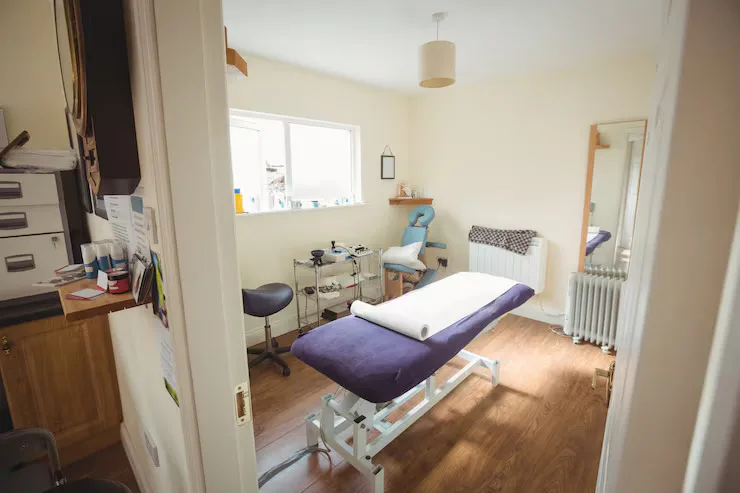
Modern lifestyles often leave people searching for practical ways to relax and take a break from everyday responsibilities. Busy work schedules, long periods of sitting, and constant digital distractions can make it difficult to find time for personal well-being. Massage treatments have become a popular option for people who want to enjoy a peaceful environment and dedicate time to relaxation.
Professional massage centers and wellness facilities offer a variety of treatments, each involving different techniques, pressure levels, and experiences. Some massages focus on gentle movements and relaxation, while others use specialized methods to address particular preferences. Understanding these differences can help customers choose an appropriate treatment and feel more confident when visiting a spa or wellness center.
Although massage may help some people experience temporary relief from muscle tension and everyday stress, its effects vary between individuals. Selecting a suitable treatment involves considering personal preferences, professional recommendations, health circumstances, and the qualifications of the practitioner.
1. Swedish Massage for General Relaxation
Swedish massage is one of the most widely recognized massage techniques. It typically involves flowing movements, gentle kneading, and varying levels of pressure applied to soft tissues.
This treatment is often chosen by people who prefer a traditional massage experience in a calm setting. The practitioner may adjust the pressure according to the customer's comfort level and preferences.
Swedish massage is commonly available at spas, wellness centers, and professional massage facilities. Session durations vary depending on the establishment and the selected service.
Before the treatment begins, customers should explain their preferred pressure and mention any areas they would like the practitioner to avoid. Clear communication helps ensure that the experience remains comfortable.
For people trying professional massage for the first time, Swedish massage may be worth considering because the techniques can often be adapted to individual preferences.
2. Aromatherapy Massage for a Sensory Experience
Aromatherapy massage combines massage techniques with aromatic essential oils. These oils are selected for their fragrances and are incorporated into the treatment according to the establishment's procedures.
Lavender, citrus, and other aromatic scents may be used to create a particular atmosphere. However, fragrance preferences differ, and not everyone enjoys the same scents.
The overall experience may include a comfortable treatment room, gentle lighting, and calming background music. These environmental elements can contribute to a pleasant wellness visit.
Customers should tell the practitioner about allergies, asthma, sensitive skin, or fragrance sensitivities before booking. Essential oils can cause irritation or allergic reactions in some individuals, so appropriate product selection is important.
Aromatherapy massage is best approached as a personal relaxation experience rather than a guaranteed treatment for medical or psychological conditions.
3. Hot Stone Massage for Warmth and Comfort
Hot stone massage is a specialized treatment that incorporates smooth, warmed stones into a massage session. Depending on the practitioner's technique, the stones may be placed on selected areas or used during massage movements.
The warmth creates a distinctive sensory experience that some customers find comfortable and relaxing. The treatment is often offered at spas that provide specialized wellness services.
Because temperature is an important part of this technique, the practitioner must follow appropriate safety procedures and monitor the stones carefully.
Customers should communicate any discomfort immediately and mention health conditions that may affect their ability to sense or tolerate heat. People with certain medical conditions may need professional medical advice before receiving this treatment.
Choosing a trained practitioner is particularly important for specialized services involving heat. The priority should always be customer safety rather than the intensity of the experience. Before choosing a service, it is advisable to review the available information and conditions while using 오피가이드 as a research starting point.
4. Deep Tissue Massage for Targeted Muscle Tension
Deep tissue massage uses slower movements and firmer pressure to work on deeper layers of muscle and connective tissue. Some people consider it when seeking help with specific areas of muscular tension.
Unlike gentler relaxation massages, this technique may involve more concentrated pressure. It is therefore important to communicate clearly with the practitioner before and during the session.
Customers should not assume that greater pressure automatically produces better results. A treatment should remain appropriate for individual needs, and significant discomfort should not be ignored.
Deep tissue massage may not be suitable for everyone, particularly individuals with certain injuries or health conditions. Discuss relevant concerns with a qualified healthcare professional when necessary.
A practitioner with appropriate training can explain the technique, discuss realistic expectations, and help determine whether the service is appropriate.
5. Foot Massage for Everyday Comfort
Foot massage focuses on the feet and may include gentle rubbing, kneading, and pressure applied to selected areas. It is available at many wellness centers, spas, and personal care facilities.
People who spend long periods standing or walking may enjoy foot massage as a dedicated relaxation activity. The experience can also be appealing to customers who prefer a shorter treatment rather than a full-body session.
Before booking, ask about the treatment duration, techniques used, and any relevant hygiene procedures. Customers should mention foot injuries, skin conditions, or other concerns that could affect the suitability of the service.
A professional provider should use appropriate hygiene practices and adapt the treatment to the customer's comfort level.
Foot massage can be an enjoyable addition to a wellness routine, but persistent foot pain or swelling should be evaluated by a healthcare professional rather than managed solely through massage.
6. Shiatsu Massage for a Structured Treatment Experience
Shiatsu is a Japanese massage technique that traditionally involves applying pressure to selected areas of the body using fingers, thumbs, and palms. Depending on the practitioner and approach, the session may also involve gentle stretching or positioning.
People interested in traditional wellness practices may choose shiatsu because its methods differ from those used in more conventional massage styles.
Before booking, customers should ask the provider to explain the techniques and whether the treatment involves pressure, stretching, or specific body positions.
It is important to choose a practitioner with suitable training and to discuss relevant injuries or mobility concerns beforehand.
As with other massage techniques, the experience and results vary. Customers should select shiatsu according to their preferences rather than assuming that one style is universally better than another.
7. Chair Massage for Convenient Relaxation
Chair massage is typically performed while the customer sits in a specially designed massage chair. The practitioner focuses on accessible areas, commonly including the shoulders, upper back, neck, and arms.
Because sessions are often shorter than traditional massage appointments, chair massage may be convenient for people with limited time.
Some workplaces, wellness events, and public facilities offer chair massage as part of their relaxation services. The experience generally requires less preparation than a full-length treatment.
Customers should still communicate their comfort preferences and mention relevant injuries or health concerns.
Although chair massage can provide a convenient opportunity to unwind, people experiencing persistent neck or back pain should seek appropriate medical advice rather than relying exclusively on massage.
8. Prenatal Massage for Pregnancy-Related Comfort
Prenatal massage is designed specifically for people who are pregnant. It uses adapted techniques and positioning intended to accommodate changes in comfort and physical needs during pregnancy.
Because pregnancy involves individual health considerations, this treatment requires particular care. Customers should consult their healthcare professional about whether massage is appropriate for their circumstances.
They should also select a practitioner with relevant prenatal massage training and disclose any concerns before the appointment.
The practitioner should explain the positioning, pressure, and techniques involved and ensure that the customer remains comfortable throughout the session.
Prenatal massage should never be treated as a routine service that is automatically suitable for every pregnancy. Professional guidance and appropriate qualifications are essential.
9. How to Choose the Right Massage Treatment
Selecting the right massage involves more than choosing a popular treatment. Customers should consider their preferences, budget, comfort level, and the experience they hope to enjoy.
The following points can help guide the decision.
- Identify your preferences. Decide whether you prefer gentle movements, firmer pressure, warmth, aromatic products, or a shorter appointment.
- Research the provider. Review customer feedback and check relevant practitioner qualifications, especially for specialized treatments.
- Understand the service. Ask about techniques, session duration, pricing, and any preparation requirements.
- Discuss health concerns. Inform the practitioner about allergies, injuries, and relevant medical conditions.
- Prioritize hygiene. Look for clean facilities, fresh linens, and appropriate equipment maintenance.
- Communicate throughout the session. Request adjustments whenever necessary and stop if the treatment becomes uncomfortable.
These considerations help customers make informed choices and enjoy a more suitable wellness experience.
Conclusion
Massage treatments offer a variety of experiences for people seeking relaxation and personal comfort. From Swedish and aromatherapy massage to hot stone, deep tissue, foot, shiatsu, chair, and prenatal massage, each approach has different characteristics and considerations.
The most appropriate option depends on individual preferences, health circumstances, and the qualifications of the practitioner. Researching available services, communicating clearly, and prioritizing professional standards can help customers choose a treatment that meets their expectations.
Ultimately, massage is best viewed as one possible component of a balanced approach to personal well-being. When selected carefully and performed appropriately, it can provide an enjoyable opportunity to take a break from everyday routines and focus on relaxation.