
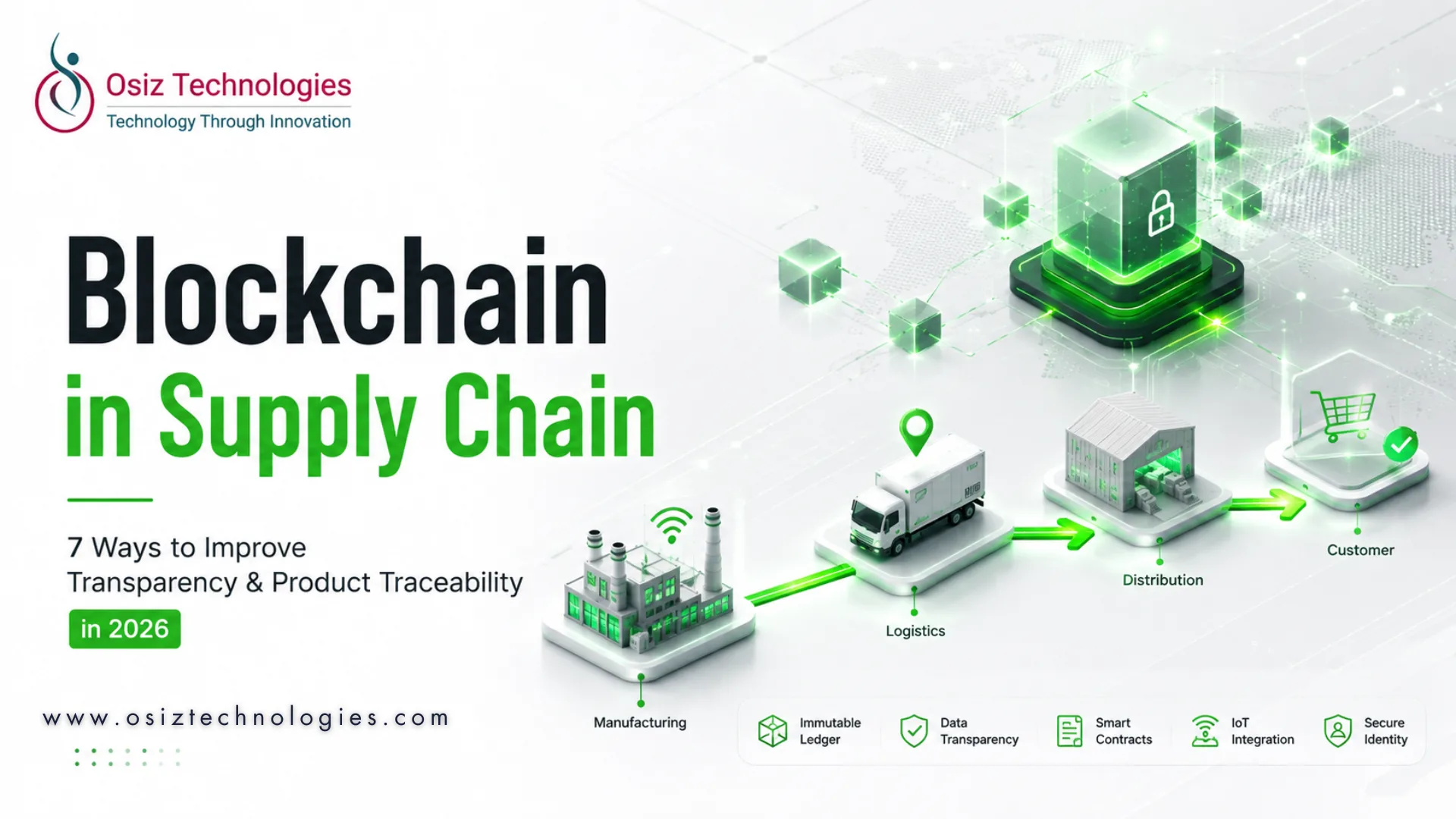
Global supply chains have become increasingly complex. A single product may pass through manufacturers, suppliers, logistics providers, distributors, retailers, and customers located in different parts of the world. While this interconnected ecosystem improves efficiency and scalability, it also creates challenges related to visibility, data accuracy, regulatory compliance, and product authenticity.
This is where Blockchain in Supply Chain management is creating new opportunities. By establishing a shared and tamper-resistant ledger, businesses can improve transparency, strengthen trust among stakeholders, and gain greater control over every stage of the supply chain.
As organizations continue to accelerate their digital transformation strategies in 2026, blockchain development has become an important investment for businesses seeking secure, transparent, and efficient supply chain operations.
What Is Supply Chain Transparency?
Supply chain transparency refers to the ability of businesses to monitor and verify the movement of products, information, and transactions throughout the supply chain.
A transparent supply chain allows organizations to:
- Track products from their origin to their final destination.
- Monitor supplier activities more effectively.
- Improve inventory management.
- Strengthen compliance with industry regulations.
- Increase customer confidence and brand credibility.
From raw material sourcing to final delivery, every stage of the process contributes to a more reliable and efficient supply chain ecosystem.
What Is Product Traceability?
Product traceability focuses on tracking the complete life cycle of an individual product or asset.
Businesses use traceability systems to identify:
- Product origins
- Manufacturing dates
- Supplier information
- Shipping records
- Storage conditions
- Delivery status
Traditional tracking systems often rely on isolated databases, manual documentation, and third-party verification processes. These limitations can increase operational complexity and create opportunities for errors.
Blockchain technology addresses these challenges by creating an immutable and verifiable record of transactions that can be accessed by authorized participants.
Why Businesses Are Turning to Blockchain in 2026
Organizations across multiple industries are adopting blockchain-based solutions to improve efficiency, security, and accountability.
Several factors are driving this transition:
- Rising concerns about counterfeit products
- Growing demand for end-to-end visibility
- Increasing regulatory requirements
- Greater emphasis on sustainability initiatives
- The need for faster and more accurate data sharing
Many organizations are also exploring Enterprise Blockchain Development solutions to streamline operations while maintaining greater control over sensitive information.
7 Ways Blockchain Improves Supply Chain Transparency and Product Traceability in 2026
1. End-to-End Visibility Across the Supply Chain
One of the most significant advantages of blockchain technology is its ability to create a unified source of information. Every authorized participant can access the same records, reducing communication gaps and improving coordination across the supply chain.
This visibility enables businesses to identify inefficiencies more quickly and make informed operational decisions.
2. Immutable Record Keeping
Blockchain networks maintain permanent records of every transaction. Once information is added to the ledger, it cannot be altered without network consensus.
This approach provides several benefits:
- Greater data integrity
- Improved auditing capabilities
- Reduced fraud risks
- Better accountability among stakeholders
Such capabilities have become increasingly important in highly regulated industries such as healthcare, food production, and pharmaceuticals.
3. Real-Time Product Tracking
Modern supply chains generate enormous amounts of data. Blockchain technology can work alongside Internet of Things (IoT) devices, GPS systems, and radio-frequency identification (RFID) technology to provide continuous visibility into product movement.
Businesses can monitor:
- Product location
- Shipping conditions
- Inventory levels
- Delivery schedules
- Warehouse activities
This real-time information helps organizations respond more quickly to disruptions and changing market conditions.
4. Counterfeit Product Prevention
Counterfeit goods continue to affect industries around the world. Luxury brands, electronics manufacturers, pharmaceutical companies, and food suppliers face increasing pressure to protect product authenticity.
Blockchain technology allows businesses to create secure digital records that verify the origin and movement of products throughout the supply chain.
Combined with Blockchain Identity Management systems, these records help organizations improve authentication procedures while strengthening consumer confidence.
5. Faster Regulatory Compliance
Regulatory requirements continue to evolve as governments place greater emphasis on transparency, sustainability, and consumer safety.
Blockchain-based systems can simplify compliance processes by providing:
- Accurate audit trails
- Automated reporting capabilities
- Secure document management
- Transparent transaction histories
This level of visibility reduces administrative complexity and supports more effective risk management strategies.
6. Smart Contract Automation
Supply chain operations often involve numerous agreements between suppliers, manufacturers, logistics providers, and distributors.
Through Smart Contract Development, businesses can automate many routine processes, including payment releases, shipment verification, inventory updates, and contract execution.
Automation reduces manual intervention, minimizes processing delays, and improves overall efficiency.
Many organizations are also exploring Private Blockchain Development solutions to create permission-based environments that offer greater security and operational flexibility.
7. Stronger Consumer Trust and Brand Reputation
Modern consumers want more information about the products they purchase. They expect businesses to provide accurate details regarding sourcing, manufacturing practices, environmental impact, and product quality.
Blockchain technology helps organizations build stronger relationships with customers by providing transparent and verifiable information.
As Web3 development continues to evolve, businesses will have additional opportunities to create more connected and transparent supply chain ecosystems.
Real-World Applications Across Industries
Blockchain-powered supply chain solutions are being adopted across numerous industries.
Healthcare
- Pharmaceutical authentication
- Medical equipment tracking
- Patient data security
Manufacturing
- Inventory management
- Supplier verification
- Quality assurance
Agriculture
- Food safety monitoring
- Livestock tracking
- Sustainability reporting
Retail
- Product authentication
- Logistics management
- Consumer transparency
Automotive
- Component tracking
- Warranty management
- Production monitoring
How Businesses Can Implement Blockchain Solutions
Organizations planning to invest in blockchain development services can follow a structured implementation strategy.
- Define specific business objectives.
- Evaluate existing infrastructure and processes.
- Select the appropriate blockchain framework.
- Develop secure smart contracts.
- Integrate existing software systems.
- Conduct security and performance testing.
- Deploy, monitor, and optimize the solution.
Working with an experienced Blockchain Development Company can help organizations accelerate implementation while ensuring scalability, security, and compliance.
Conclusion
Supply chain transparency and product traceability have become essential components of modern business operations. Organizations are looking beyond traditional systems and adopting technologies that deliver greater visibility, stronger security, and improved efficiency.
Blockchain technology provides a reliable foundation for achieving these objectives. From real-time tracking and automated workflows to enhanced security and regulatory compliance, blockchain is helping businesses build stronger and more transparent supply chain ecosystems.
As adoption continues to grow in 2026, companies that invest in modern blockchain solutions will be better positioned to strengthen customer trust, improve operational performance, and adapt to the changing demands of global commerce.