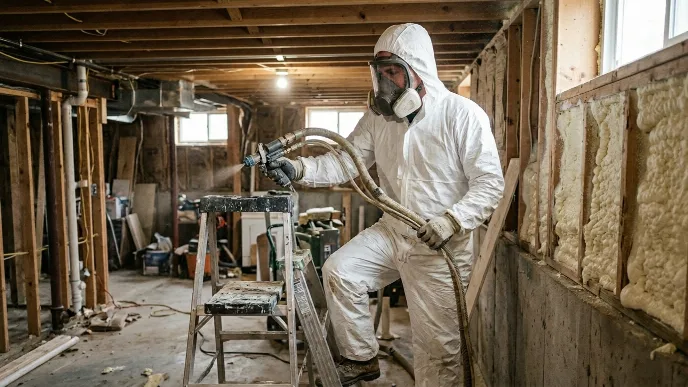
Many homeowners find their homes hot after an open-cell spray foam installation in Issaquah, WA, due to insufficient foam depth, unaddressed air leaks in lower levels, or roof ventilation. While open-cell foam provides an excellent thermal barrier, it requires a specific thickness to combat the intense summer heat found in Washington attics. If the application is too thin, heat simply radiates through the material and into your living space.
This guide explores why your recent upgrade might not be performing as expected and how to fix these temperature spikes. You will learn about the technical requirements for foam in the Pacific Northwest and how to ensure your home stays cool. These details come from years of observing local attic performance and building science standards.
1. Air bypasses and thermal bridging issues
Even with new foam, heat can enter through spots the installer missed or areas where the home's structure conducts heat. This is often called thermal bridging, a process in which wooden studs or joists transfer heat from the roof deck into the attic. Open-cell foam is great at filling gaps, but if the wooden framing is left exposed, those boards act like thermal bridges.
In addition to structural heat transfer, air movement plays a critical role. If your recessed lights or plumbing stacks weren't sealed before the foam was applied, hot air can still circulate. You might notice the attic is still hot after your open-cell spray foam installation services in Issaquah, WA, if these small holes allow heat to move freely between floors.

2. Insufficient thickness for R-value requirements
Washington building codes have specific requirements for thermal resistance. Open-cell foam has a lower R-value per inch than you need for a thicker layer to stop the heat. If an attic insulation contractor in Issaquah, WA, only applies a few inches, it won't be enough to block the sun's energy on a 90-degree day.
To achieve total comfort, the foam must reach a depth that matches the local climate needs. When the layer is too thin, the material reaches its heat capacity quickly. This leads to the phenomenon where your attic stays hot after open-cell spray foam is installed in your Issaquah home because the thermal barrier is simply overwhelmed by the external temperature.
3. Improper ventilation or HVAC duct issues
Spray foam creates a sealed environment, but if your HVAC ducts are leaking inside that sealed space, the air won't stay cool. Many people forget to check their ductwork after a spray foam installation by experts in Issaquah. A small tear in a cooling duct can dump cold air into the attic while the rest of your house remains warm.
Additionally, changing from a vented attic to a "hot roof" design requires a total shift in how the house breathes. If the old vents weren't handled correctly or if the HVAC system isn't sized for the new pressure, the attic can trap heat. This is why a professional insulation company for attic heat issues in Issaquah should always evaluate the mechanical systems alongside the insulation.

Common causes of poor attic thermal performance
Beyond the foam itself, several external factors contribute to a sweltering upper floor. Identifying these helps you understand why open-cell foam installation solutions in Washington might need adjustments.
- Dark-colored roofing shingles that absorb more solar radiation.
- Inadequate shading from trees or nearby structures.
- High humidity levels inside the home make the air feel warmer.
- Old insulation leftovers that trap dust and heat.
- Skylights that act as magnifying glasses for the sun.
How open-cell spray foam affects attic temperature control
Open-cell foam works by trapping tiny air within its structure. This makes it an excellent sound dampener and a good thermal barrier, but it is vapor-permeable. In the humid environment of Issaquah, moisture can sometimes affect how the air feels. If you find your attic is still hot after open-cell spray foam is applied in Issaquah, WA, it might be due to moisture retention in the air.

Assessing foam density
The density of the foam matters just as much as its depth. If the chemical mix was slightly off during installation, the foam might not provide the expected resistance. You can check this by gently pressing on the foam; it should feel springy but firm, not brittle or overly soft.
Use a thermal camera for hidden leaks
A great way to find out why the heat is getting in is to use an infrared camera on a hot afternoon. This tool shows exactly where the heat is "bleeding" through the foam or the framing. Many homeowners find that the issue of an attic remaining hot after an open-cell spray foam installation in Issaquah, WA, is limited to just one or two specific corners.
How to evaluate your attic before calling a pro
Before you decide on a fix, look at the overall health of your roofing system. Check for signs of discoloration on the foam, which might indicate moisture intrusion. Also, verify that all soffit vents were either properly sealed or left open, depending on the specific design your contractor used.
What should you consider before choosing a repair strategy?
Fixing a hot attic requires more than just adding more; you need a "whole house" approach to energy. Consider the following factors before spending more money on repairs:
- The age and condition of your current roofing materials.
- The capacity of your air conditioning system to handle the attic volume.
- Whether your attic is used for storage, which can compress foam or block airflow.
- Local energy rebates for attic upgrades in Washington.
Local climate considerations
Issaquah experiences significant temperature swings between day and night. This "diurnal shift" means your insulation needs to shed heat quickly in the evening. If the foam is too thick in some areas and thin in others, the heat remains trapped long after the sun goes down.

Choosing the right partner for attic cooling
It is important to work with a team that understands the specific challenges of the Pacific Northwest. When a home attic is still hot after an open-cell spray foam installation in Issaquah, WA, it usually requires a specialist to diagnose the balance between insulation and ventilation. A professional will look at both the R-value and the air seal to ensure the system works as a single unit.
Helpful steps to resolve your attic heat issues and get a free quote
If your home is struggling with high temperatures, reaching out to a specialist is the most effective next step. Cascadia Spray Foam Insulation of Seattle offers detailed evaluations to find exactly where your thermal barrier is failing. You can reach their team at (425) 386-3500 or via email at [email protected] to discuss your specific situation. They provide expert guidance on how to fix a hot attic and can offer a free quote for any necessary adjustments or reinforcements. Whether you need a simple patch or a full system audit, their experienced technicians are ready to help you reclaim your home's comfort.
Frequently asked questions about hot attics and spray foam
Does open-cell foam lose its effectiveness over time?
No, high-quality spray foam is designed to last for the life of the home. However, it can be damaged by roof leaks or physical impact, and its ability to block heat effectively.
Can I add fiberglass batts over my existing spray foam?
It is generally not recommended to mix materials without a professional plan. Adding batts can trap moisture between the two layers, leading to mold issues or wood rot in your roof deck.
Why does my attic feel humid after foam installation?
If the attic is completely sealed but has a moisture source, such as a bathroom fan venting into it, the humidity will rise. Ensure all exhaust fans are piped directly to the outside of the house.
How many inches of open-cell foam do I need in Washington?
For most homes in the Issaquah area, a depth of 8 to 10 inches is recommended to meet modern energy standards and ensure the attic is cool in the summer.
Is it normal for the attic to be warmer than the house?
A small difference of 5 to 10 degrees is normal, but the attic should not be sweltering. If the temperature gap is 20 degrees or more, your insulation is likely underperforming.
Final thoughts on attic temperature management
A hot attic after a significant spray foam is frustrating, but the cause is usually a technical oversight. By focusing on foam depth, air sealing, and duct integrity, you can create a much cooler environment. Always ensure your installation is suited to the local climate to get the best results. Taking the time to diagnose these issues now will lead to lower energy bills and a more comfortable home for years to come. Evaluation of these factors is the best way to ensure your home remains an efficient sanctuary regardless of the weather outside.