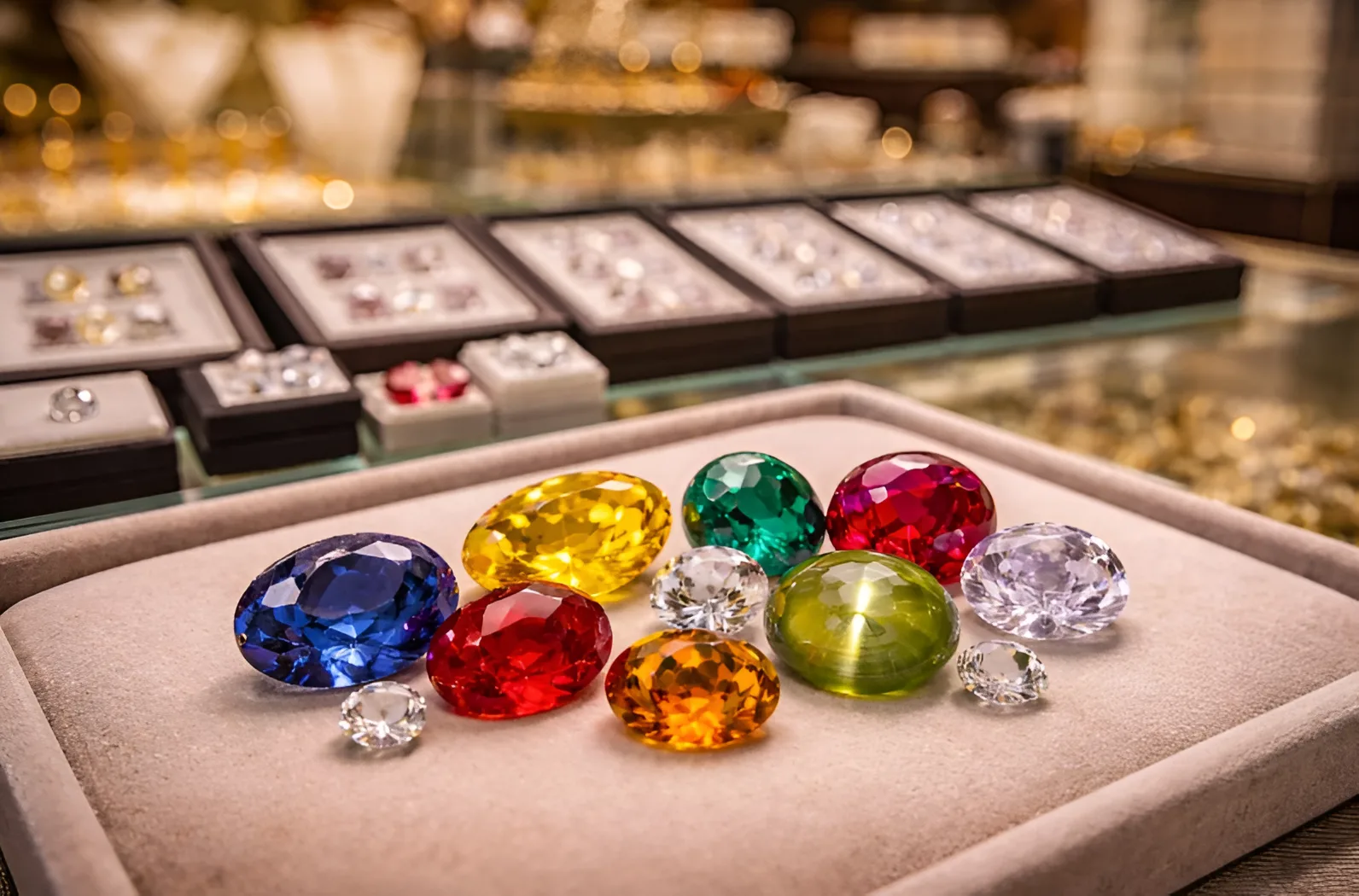
Natural gemstones have fascinated people for centuries with their beautiful colours, unique patterns, rarity, and timeless appeal. From sparkling sapphires and vibrant emeralds to elegant rubies and captivating amethysts, every gemstone has its own distinctive characteristics. Whether you are purchasing a gemstone for jewellery, personal collection, or gifting, choosing the right one requires careful consideration.
However, with so many gemstone varieties, qualities, treatments, and price ranges available, making an informed purchase can sometimes be challenging. Understanding a few essential factors can help you identify genuine gemstones, evaluate their quality, and find an option that suits your preferences and budget.
Here are 10 important things to consider before buying natural gemstones.
1. Understand the Type of Natural Gemstone You Want
The first step is to decide which type of natural gemstone you want to purchase. Different gemstones offer different colours, appearances, durability levels, and characteristics.
Some popular natural gemstones include:
- Ruby: Known for its beautiful red colour and timeless appeal.
- Emerald: Appreciated for its rich green colour and distinctive inclusions.
- Sapphire: Available in various colours, although blue is the most recognised.
- Amethyst: A popular purple gemstone admired for its attractive appearance.
- Aquamarine: Recognised for its refreshing blue to blue-green shades.
- Garnet: Available in several colours, including deep red, green, and orange.
Researching different gemstone varieties will help you understand their characteristics and choose one that matches your requirements.
2. Check the Authenticity of the Gemstone
Authenticity is one of the most important factors when buying natural gemstones. Not every gemstone sold in the market is naturally formed. Some may be synthetic, imitation, or treated stones.
Natural gemstones are formed through geological processes over thousands or millions of years. Synthetic gemstones, on the other hand, are manufactured in laboratories and may have similar chemical and physical properties to their natural counterparts.
Always purchase from a reputable seller who provides accurate information about the gemstone's origin and authenticity. For valuable purchases, consider obtaining an independent gemological report from a recognised laboratory.
3. Examine the Colour Carefully
Colour plays a significant role in determining the beauty and value of natural gemstones. Different gemstones are appreciated for their specific colour characteristics, including hue, tone, and saturation.
When examining a gemstone, consider the following:
- Hue: The primary colour and any secondary colour present.
- Tone: How light or dark the gemstone appears.
- Saturation: The intensity and purity of its colour.
A well-balanced and attractive colour can enhance a gemstone's overall appearance. However, the ideal colour depends on the gemstone variety and individual preferences.
Always examine gemstones under proper lighting conditions to get a better understanding of their natural colour.
4. Evaluate the Clarity and Inclusions
Natural gemstones often contain internal characteristics known as inclusions. These may develop during the gemstone's formation and can provide useful information about its natural origin.
Clarity refers to the visibility, size, number, and position of these inclusions. Some gemstones, such as emeralds, commonly feature visible inclusions, while others are generally valued for greater transparency.
Before purchasing, check whether inclusions affect the gemstone's transparency, appearance, or durability. Minor inclusions may be acceptable, but large fractures or surface-reaching imperfections could affect its structural integrity.
Remember that a completely flawless appearance does not automatically mean a gemstone is natural or superior.
5. Consider the Cut and Shape
The cut of a natural gemstone influences how it reflects light and displays its colour. A well-executed cut can enhance brilliance, symmetry, and overall visual appeal.
Natural gemstones are available in different shapes and cutting styles, including:
- Round Cut: A classic shape suitable for various jewellery designs.
- Oval Cut: Offers an elegant and elongated appearance.
- Emerald Cut: Features rectangular facets and a sophisticated look.
- Pear Cut: Combines a rounded end with a pointed tip.
- Cushion Cut: Offers a square or rectangular shape with rounded corners.
Choose a cut that complements the gemstone's natural characteristics and your intended jewellery design. A poorly proportioned cut may reduce the stone's visual appeal and overall attractiveness.
6. Understand Gemstone Treatments
Many natural gemstones undergo treatments to improve their colour, clarity, or overall appearance. Common treatments include heat treatment, oiling, irradiation, and fracture filling.
Some treatments are widely accepted within the gemstone industry, but they can influence a gemstone's value, durability, and care requirements.
Before purchasing, ask the seller:
- Is the gemstone completely untreated?
- Has it undergone any colour enhancement?
- Has it been filled or treated to improve clarity?
- Are there any special care requirements associated with the treatment?
A trustworthy seller should clearly disclose all known treatments. Do not assume that a natural gemstone is untreated simply because it is genuine.
7. Check the Gemstone Certification
A gemstone certificate or independent gemological report can provide valuable information about the stone you are purchasing.
Depending on the laboratory and type of report, it may include details such as:
- Gemstone identification and variety.
- Whether the gemstone is natural or laboratory-grown.
- Detection of certain treatments.
- Weight and measurements.
- Other relevant gemological characteristics.
For expensive or rare gemstones, an independent report from a recognised gemological laboratory can provide additional confidence.
Remember that a certificate should come from a reliable laboratory, and its details should correspond to the actual gemstone being sold.
8. Compare Prices and Understand the Market Value
Natural gemstone prices can vary significantly depending on several factors, including rarity, colour, clarity, cut, carat weight, origin, and treatment status.
For example, two rubies of the same weight may have considerably different prices because of differences in colour, transparency, origin, and quality.
Before making a purchase, compare similar gemstones from multiple reputable sellers. Avoid choosing a gemstone based only on its low price.
An unusually inexpensive gemstone advertised as rare or exceptionally valuable deserves additional verification. Understanding the market can help you make a more informed buying decision.
9. Consider Durability and Maintenance Requirements
Not all natural gemstones have the same level of hardness or resistance to damage. Some are suitable for everyday jewellery, while others require more careful handling.
The Mohs hardness scale is commonly used to measure a mineral's resistance to scratching.
For example:
- Diamond: 10
- Ruby: 9
- Sapphire: 9
- Emerald: 7.5–8
- Amethyst: 7
- Opal: 5–6.5
However, hardness alone does not determine durability. Cleavage, toughness, inclusions, and existing fractures also influence how well a gemstone withstands everyday wear.
If you are purchasing a gemstone for a ring or another frequently worn jewellery item, consider its durability and maintenance requirements before making a decision.
10. Choose a Reputable Gemstone Seller
The seller you choose is just as important as the gemstone itself. Purchasing from a reliable gemstone dealer can help you avoid misleading descriptions, undisclosed treatments, and authenticity-related concerns.
Before finalising your purchase, consider the following:
- Check the seller's reputation and customer reviews.
- Ask for detailed gemstone specifications.
- Confirm whether the gemstone is natural, synthetic, or imitation.
- Request treatment disclosures and certification where applicable.
- Understand the return, exchange, and refund policies.
- Ask whether the seller provides after-sales assistance.
A professional seller should be transparent about the gemstone's characteristics, pricing, and any limitations associated with the product.
Conclusion
Buying natural gemstones can be an exciting experience, especially when you understand what makes each stone unique. From checking authenticity and evaluating colour to understanding treatments, certification, and durability, every factor plays an important role in making the right choice.
Whether you are purchasing a gemstone for jewellery, collecting rare stones, or selecting a meaningful gift, take your time to research different options and compare their qualities. Most importantly, buy from a trustworthy seller who provides transparent information about the gemstones.
With the right knowledge and careful consideration, you can choose natural gemstones that offer lasting beauty, individuality, and value.