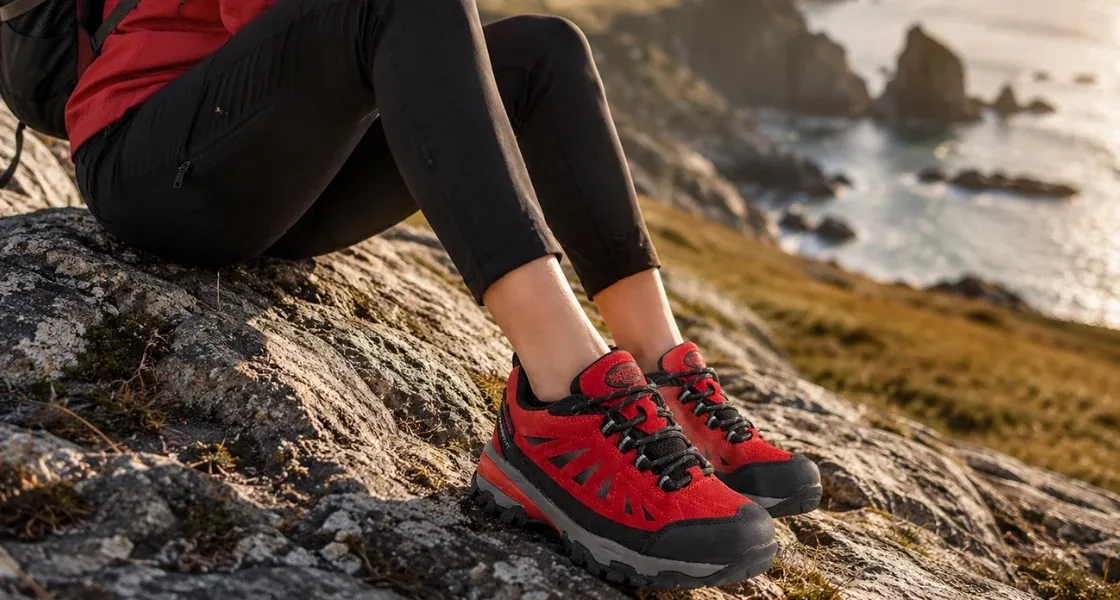
Ask anyone who enjoys spending time outdoors in the UK, and they'll probably agree on one thing: the weather has a habit of changing its mind. A bright morning can quickly give way to heavy rain, muddy footpaths or slippery woodland trails. That's why the right footwear isn't just about comfort—it can shape your entire experience.
For many walkers, women's waterproof footwear has become an essential part of their outdoor kit. Whether you're tackling a countryside footpath, exploring coastal routes or simply walking the dog through local parks, dry feet and dependable grip can make every journey more enjoyable.
The good news is that modern hiking footwear has come a long way. Today's designs combine practical protection with lightweight construction and stylish finishes, making them just as suitable for everyday wear as they are for longer adventures.
Why Quality Outdoor Footwear Is Worth the Investment
Outdoor footwear often costs more than everyday trainers, but there's a good reason for that.
A well-made hiking boot is built to cope with uneven terrain, changing weather and repeated use. Better materials, stronger construction and improved support all contribute to footwear that lasts longer and performs more consistently.
It's not simply about durability, either.
Comfort plays an equally important role. Walking for several hours places considerable strain on your feet, ankles and knees. Supportive footwear helps reduce fatigue while providing the stability needed on rough ground.
Anyone who has completed a long walk in poorly fitting shoes quickly understands why investing in quality footwear pays off.
How to Choose the Right Women's Waterproof Footwear
Not every waterproof boot is suited to every walker.
Some people need lightweight footwear for weekend countryside walks, while others regularly tackle steep hills and rocky trails that demand additional ankle support.
When comparing women's waterproof footwear, there are several features worth considering.
Waterproof Protection
Reliable waterproof membranes help keep feet dry without trapping excessive heat inside the boot. Breathability matters just as much as water resistance, particularly during longer walks.
Grip
The outsole should provide confidence across mud, wet grass, loose gravel and uneven paths. Deep tread patterns usually offer better traction across mixed terrain.
Comfort
A supportive insole, cushioned midsole and secure fit all contribute to reducing fatigue during extended walks.
Weight
Lighter boots require less effort over longer distances, making them particularly suitable for regular walking.
The best choice depends on where—and how often—you expect to wear them.
Why Leather Hiking Boots Continue to Stand Out
Synthetic materials have improved dramatically over recent years, yet leather remains a favourite among experienced walkers.
Quality women's leather hiking boots offer excellent durability while gradually moulding to the shape of your feet. Over time, they become increasingly comfortable, creating a fit that feels almost customised.
Leather also performs well in Britain's unpredictable climate.
With appropriate care, it provides dependable protection against rain, mud and damp conditions while remaining breathable enough for year-round use.
For those who enjoy frequent outdoor activities, leather often proves a worthwhile long-term investment.
The Features That Matter Most on the Trail
Marketing often focuses on eye-catching technology, but practical features usually have the greatest impact.
Good ankle support helps improve stability across uneven surfaces.
A cushioned heel absorbs repeated impact during longer walks.
Secure lacing systems reduce unwanted movement inside the boot, helping prevent blisters.
Toe protection also deserves attention, particularly when walking over rocky ground where unexpected knocks are common.
Individually, these details may seem small.
Together, they create footwear that feels noticeably more supportive throughout the day.
Choosing Boots for Different Types of Walks
Not every outdoor adventure requires the same type of footwear.
For local woodland walks and gentle countryside paths, lightweight waterproof boots often provide enough support while remaining comfortable for everyday use.
Long-distance routes across hills and national parks usually benefit from more structured hiking boots with enhanced ankle support and thicker soles.
Those planning winter walks may prefer boots offering additional insulation alongside waterproof protection.
Matching your footwear to the terrain generally results in greater comfort and better performance.
Looking Beyond Women's Footwear
Outdoor clothing and footwear increasingly share the same design philosophy across men's and women's collections.
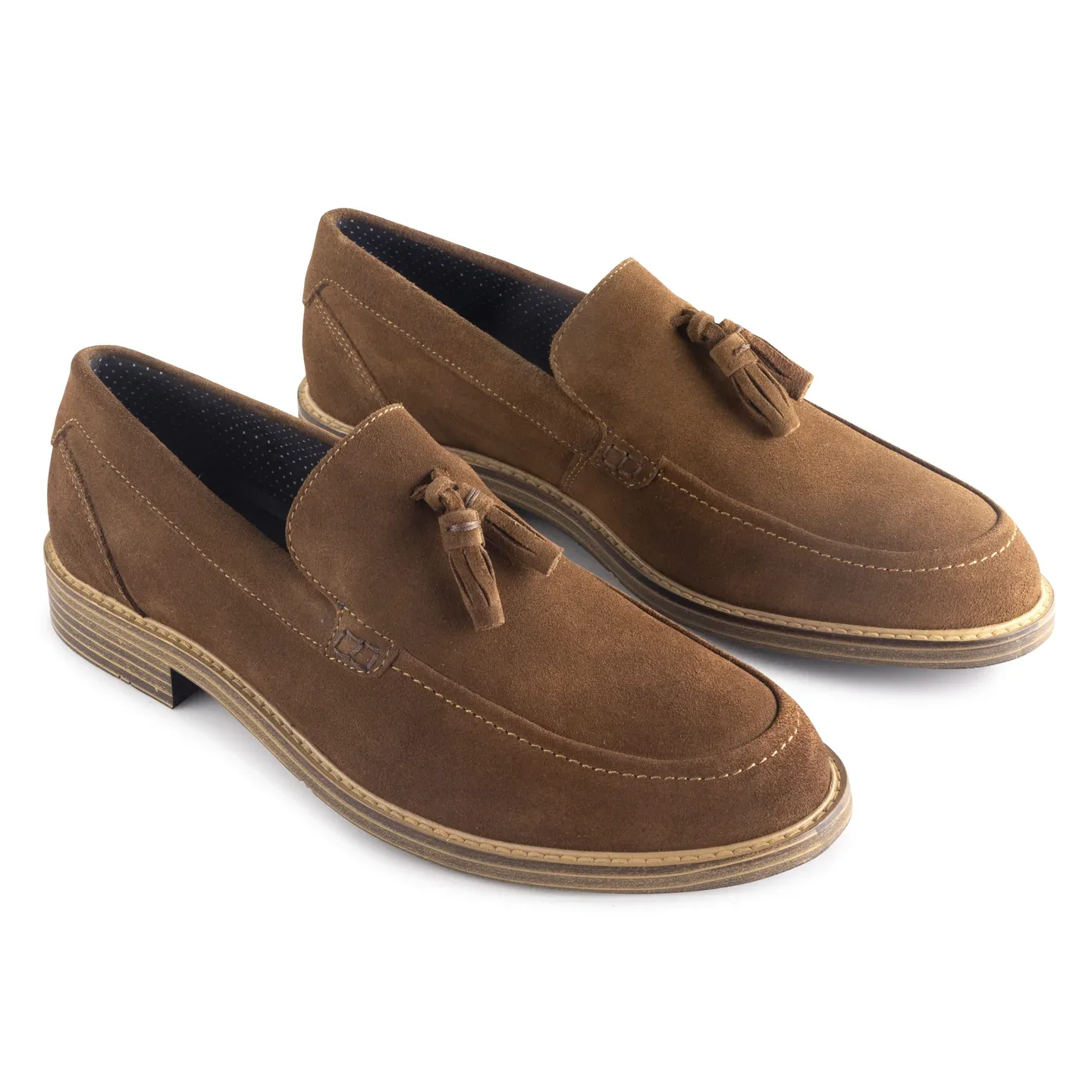
Many families planning walking holidays or weekend hikes also compare options such as men's brown walking boots, recognising the importance of choosing footwear suited to different individuals rather than simply selecting matching styles.
The principle remains the same regardless of who's wearing them: comfort, support and durability should always come first.
Shopping Smart Rather Than Shopping Often
Outdoor equipment represents an investment, so it makes sense to buy carefully.
While seasonal discounts and a hiking boot sale UK can offer genuine savings, price alone shouldn't determine your decision.
Fit matters more than almost anything else.
Trying boots on while wearing walking socks, checking toe room and ensuring adequate heel support often proves more valuable than chasing the lowest price.
A quality pair of boots worn regularly will usually deliver better value than several cheaper pairs replaced every year or two.
Looking After Your Hiking Boots
Even premium footwear benefits from regular maintenance.
After muddy walks, clean boots using warm water and a soft brush rather than leaving dirt to dry into the leather.
Allow them to dry naturally, away from direct heat sources such as radiators or fireplaces.
Leather boots should be treated periodically with suitable conditioning products to maintain flexibility and water resistance.
Storing footwear somewhere cool and dry also helps preserve both the leather and waterproof membranes.
These simple habits significantly extend the life of outdoor footwear.
Buying From Trusted Outdoor Specialists
Knowledgeable retailers can often make choosing hiking footwear much easier.
Advice on sizing, fit and intended use helps narrow down options that genuinely suit individual needs rather than simply following current trends.
For readers exploring dependable outdoor footwear and clothing, Northwest Territory offers a wide range of walking and hiking essentials designed for Britain's varied landscapes and weather conditions.
Access to specialist advice often makes just as much difference as the footwear itself.
The Value of Well-Chosen Outdoor Footwear
Walking is one of the simplest ways to enjoy the outdoors, improve fitness and spend time away from busy routines.
The right footwear makes those experiences more comfortable, more enjoyable and, importantly, safer.
Rather than worrying about wet feet or slippery ground, you can focus on the landscape around you.
That's precisely what good hiking boots are designed to do.
Investing in quality women's waterproof footwear is about far more than keeping your feet dry. It means choosing footwear that provides lasting comfort, dependable grip and the confidence to enjoy Britain's changing landscapes throughout the year.
Whether you're exploring local footpaths or planning longer countryside adventures, well-made women's leather hiking boots remain one of the smartest additions to any outdoor wardrobe. When chosen carefully and looked after properly, they'll continue to support countless miles of walking for years to come.
FAQs
Are waterproof hiking boots suitable for everyday walking?
Yes. Many modern waterproof hiking boots are lightweight and comfortable enough for daily walks, commuting and outdoor activities.
Are leather hiking boots better than synthetic boots?
Leather boots generally offer greater durability and mould to your feet over time, while synthetic boots are often lighter and require less maintenance.
How do I know if hiking boots fit correctly?
Your toes should have enough room to move without touching the front of the boot, while your heel should stay secure without slipping.
How often should waterproof boots be treated?
Leather boots should be cleaned regularly and treated with appropriate waterproofing products every few months, depending on usage and weather exposure.
Is it worth buying hiking boots during a sale?
Yes, provided the boots fit properly and meet your walking needs. Sales can offer excellent value, but comfort and suitability should always take priority over price.