Your Bartlett, IL metal shop is freezing because steel lacks natural thermal resistance and acts as a conductor for the cold. Without proper Pole Barn Insulation for Metal Shops, heat escapes through the walls and roof almost as fast as your heater can produce it. Installing professional insulation creates a necessary thermal break that keeps warm air inside and keeps the brutal Illinois winter air outside.
This guide explains why these structures struggle with temperature and how you can fix your workshop environment. Understanding the relationship between metal conductivity and air infiltration helps you make the right choice for your facility. Working with experienced providers ensures your workspace remains functional even during the coldest months of the year.

Why is your metal shop freezing in winter?
Metal buildings are notorious for being difficult to heat during a Midwestern winter. The primary reason why the metal shop is freezing in winter involves the physical properties of steel itself. Steel is a highly conductive material, meaning it transfers thermal energy very quickly from one side to the other. When the temperature drops in Bartlett, the metal panels of your shop become as cold as the outdoor air, cooling the interior air upon contact.
Another significant factor is the lack of an airtight seal in most basic metal constructions. Air leaks around the base of the building, near the eaves, and around large overhead doors allow cold drafts to enter constantly. This convection cycle creates a situation where your furnace works at maximum capacity without ever reaching a comfortable temperature. To fix cold metal building insulation issues, you must address both the conductive heat loss through the panels and the convective loss through air gaps.
Without a barrier, condensation also becomes a major problem. When warm air from a heater hits the freezing metal skin of the building, it turns into moisture. This dripping can damage tools, inventory, and the structural integrity of the building over time. High-quality Pole Barn Insulation for Metal Shops serves a dual purpose by stopping heat transfer and preventing this moisture buildup.
Understanding the mechanics of thermal bridging in steel buildings
Thermal bridging occurs when a more conductive object allows heat to bypass an insulation barrier. In a metal shop, every steel stud and frame member acts as a bridge for heat to escape. This is a primary reason why simple fiberglass batts often fail to provide the results you expect. The heat simply moves through the metal frames that the insulation is tucked between.
To stop heat loss in metal buildings, you need a solution that covers the structural members or provides a complete seal. Effective insulation for metal shop temperature control requires more than just high R-value materials. It requires a system that prevents air from moving through the wall assembly entirely. When you eliminate the thermal bridges, the overall energy efficiency of the building increases significantly.
How pole barn insulation for cold climates stops the chill
In regions like Northern Illinois, the temperature swing between seasons is extreme. Specialized pole barn insulation for cold climates is designed to handle these fluctuations by providing a high thermal resistance per inch. This type of insulation works by trapping tiny pockets of air or using closed-cell structures to slow down the movement of heat.
By creating a thick, continuous barrier, you can effectively improve comfort in metal shop settings. This barrier prevents the internal air from touching the cold metal exterior. When the interior surface of your walls remains closer to the room temperature, the space feels much warmer even if the thermostat is set at a moderate level. This is often referred to as mean radiant temperature, which plays a huge role in how "chilly" a room feels to your skin.

Comparing the best insulation for metal workshops
Selecting the right material is the most important part of the winterization process. Different materials offer various levels of protection against the wind and cold. The following table provides a comparison of common materials used to fix cold metal building insulation problems.

While fiberglass is often the cheapest option, it does not stop air movement and can sag when it absorbs moisture. For those seeking the best insulation for metal workshops, spray foam or rigid board systems usually provide the most reliable long-term results. These systems do not settle over time and maintain their thermal properties for decades.
The benefits of spray foam insulation for metal shops
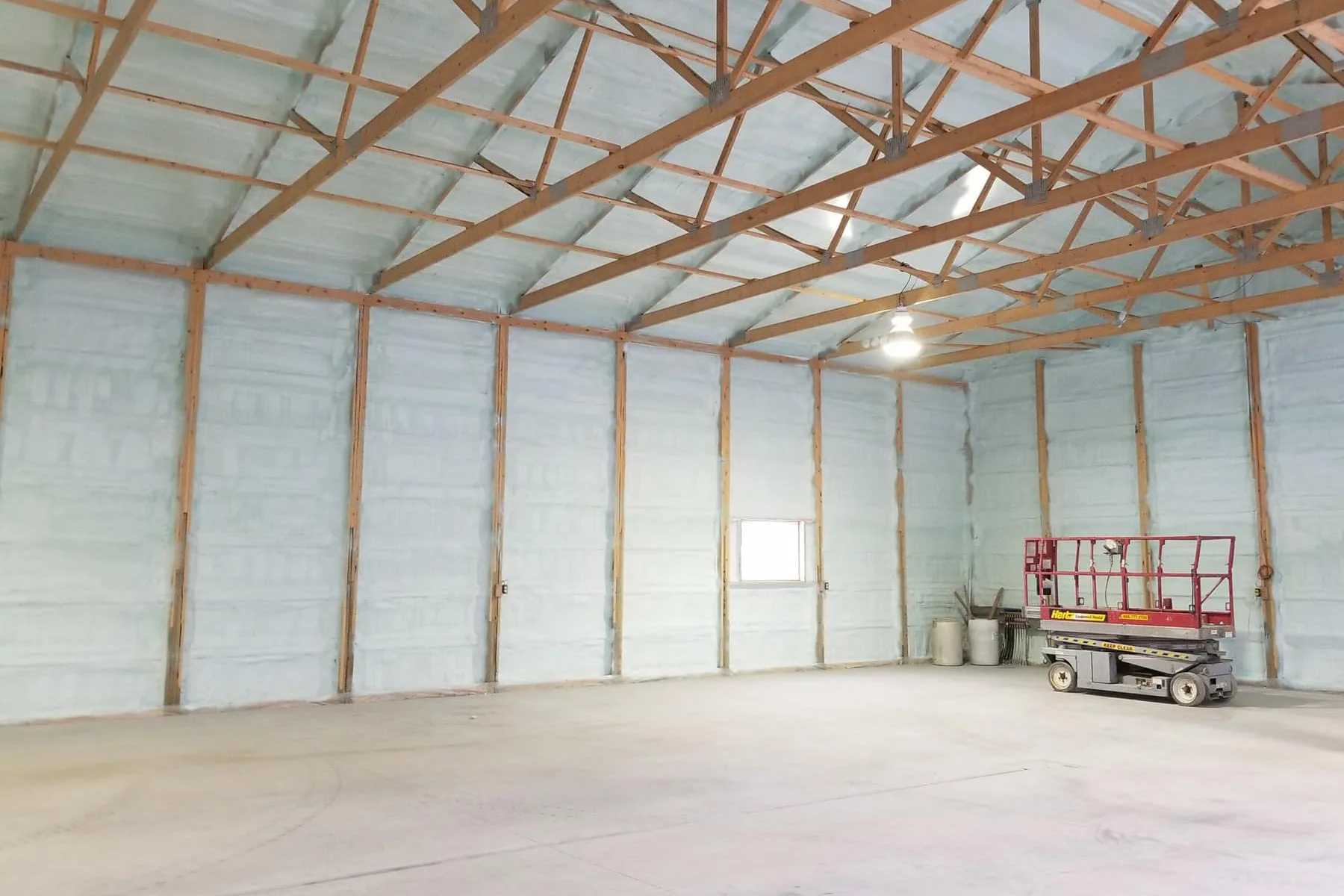
Professional spray foam insulation for metal shops is often considered the gold standard for Bartlett owners. Because it is applied as a liquid, it expands to fill every crack, crevice, and void in the metal framing. This creates a custom-fit seal that no other product can match. It effectively turns the entire building into a sealed cooler, holding heat in during the winter and keeping it out during the summer.
Using Pole Barn Insulation for Metal Shops in the form of spray foam also adds structural rigidity to the building. The foam bonds to the metal panels, reducing vibration and noise from wind or rain. This makes for a much quieter and more professional working environment. Furthermore, it provides an incredible air barrier that stops the "chimney effect" where warm air escapes through the roof and pulls cold air in through the floor.
Essential steps for metal building winterization insulation
If you want to achieve energy-efficient insulation for workshops, you must look at the building as a complete system. Winterization involves more than just the walls; it requires a top-to-bottom approach. Start by inspecting the roof, as this is where the majority of your heat is lost due to rising air.
- Seal all visible air gaps around the foundation and eaves with weather stripping or foam.
- Install a high R-value product on the ceiling to prevent heat from rising out.
- Apply metal shop insulation Bartlett IL solutions to the walls to stop radiant cold.
- Upgrade the weather seals on all large shop doors and man doors.
- Consider a floor coating or perimeter insulation to stop cold from migrating through the slab.
Following these steps ensures that your metal building winterization insulation project provides a high return on investment. You will notice a drastic reduction in your monthly heating bills and a much more stable internal climate.
Finding reliable wall insulation services in Bartlett
When you are ready to upgrade, you should look for local wall insulation experts who understand the specific climate challenges of the Fox River Valley. Choosing the right wall insulation services means finding a team that has experience specifically with steel structures. Metal buildings expand and contract differently than wood-framed homes, and the insulation must be able to handle that movement without cracking or peeling.
A professional wall insulation company in Bartlett, IL will perform a thorough assessment of your shop before starting the work. They will check for existing moisture issues and identify the most significant points of heat loss. By hiring wall insulation experts, you ensure that the material is applied at the correct thickness and temperature for a permanent bond.
Things to review before you upgrade your shop insulation
Before committing to an insulation project, there are several factors you should evaluate to ensure you get the best results. Not every shop has the same requirements, and your specific usage of the space will dictate the best approach.
- Intended Use: Will you be heating the shop 24/7 or only when you are working? Continuous heating requires higher R-values.
- Existing Moisture: Are there leaks in the roof or walls that need repair before insulation is applied?
- Electrical Access: Do you need to run new conduit or wiring before the walls are covered?
- Local Codes: Ensure the chosen material meets Bartlett fire ratings and building codes.
- Ventilation: A tightly sealed shop might need mechanical ventilation to maintain air quality if you are welding or painting.
Bonus Tip: If you use your shop for automotive work or painting, ask your wall insulation experts about Intumescent Coatings. These coatings provide an extra layer of fire protection that is often required by commercial insurance policies for metal workshops.
Achieving total temperature control in your Bartlett workshop
Properly installed pole barn insulation in Bartlett, IL, turns a seasonal building into a year-round asset. When you combine high-quality materials with expert installation, you eliminate the freezing temperatures that stall productivity. The investment in metal shop insulation in Bartlett, IL, pays for itself through lower energy costs and the prevention of tool corrosion caused by condensation.
Whether you are looking for Residential Spray Foam Insulation for a backyard hobby shop or Commercial Spray Foam Insulation for a large industrial facility, the principles remain the same. You must stop the air, and you must stop the heat transfer. Taking a proactive approach to your building's envelope is the only way to truly improve comfort in metal shop environments during a harsh Illinois winter.

Reliable insulation solutions for your metal building project
If you are tired of a freezing workspace, reaching out to the team at South Chicago Insulation can help you find a permanent solution. They offer a variety of services including Pole Barn Insulation, Retrofit Insulation, and Spray Foam Roofing to protect your investment. You can contact them directly at (779) 803-8025 or via email at [email protected] to discuss your specific needs. Their expertise in both Residential Insulation and Commercial Insulation ensures your Bartlett shop will stay warm regardless of the weather outside. You can also visit their location or view their service area via this map link: https://maps.app.goo.gl/FcApTibDMiCJDMmm6. Requesting a free quote is a great first step toward a more comfortable and energy efficient workshop.
Common questions about metal shop temperature control
How thick should spray foam be in a metal shop?
For most shops in Bartlett, two to three inches of closed-cell foam is recommended to provide an adequate thermal break and air seal.
Does insulation help keep a metal shop cool in the summer?
Yes, the same barrier that keeps heat inside during the winter prevents solar heat from radiating through the metal panels during the summer months.
Can I install fiberglass over existing metal walls?
You can, but it is often ineffective because it doesn't stop air leaks and can trap moisture against the metal, leading to rust.
Is spray foam safe for the environment and my health?
Modern spray foam is very stable once cured and does not off-gas, making it a safe choice for workshops and residential buildings alike.
Will insulating my shop stop the floor from being cold?
Wall and roof insulation helps, but for a truly warm floor, you may need to add perimeter insulation around the slab or use floor mats.