Every machine has a heart — and every heart needs clean blood to keep beating. Whether you're running a high-performance vehicle, a diesel generator, or an industrial water purification system, filtration is the silent guardian that determines how long your equipment lasts and how well it performs. At ChangeOVR, we've built our reputation around one core belief: the right filter, changed at the right time, changes everything.
In this guide, we break down three critical filtration components — the fuel filter element, the gas tank fuel filter, and demineralized water filters — and explain why understanding each one can save you money, extend equipment life, and prevent costly breakdowns.
The Fuel Filter Element: Your Engine's First Line of Defense
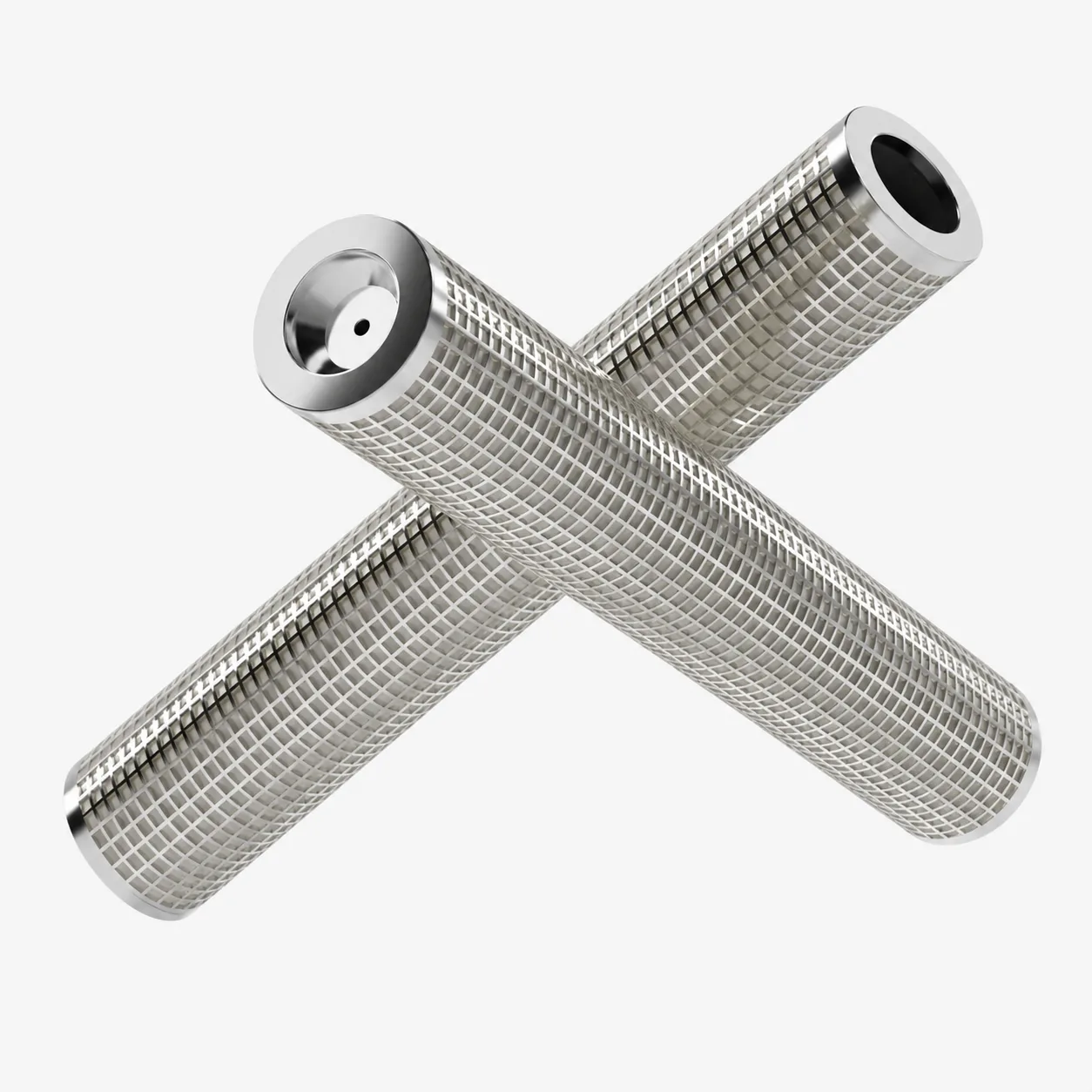
The fuel filter element is one of the most underappreciated components in any combustion system. Tucked away inside a housing, this replaceable cartridge intercepts dirt, rust, water droplets, and microscopic debris before they ever reach your fuel injectors or carburetor.
Modern engines are precision instruments. Fuel injector tolerances can be as tight as 5–10 microns — that's smaller than a human red blood cell. A degraded fuel filter element allows contaminated fuel to pass through, causing injector wear, poor combustion, rough idling, and in worst cases, complete injector failure.
The symptoms of a clogged or failing fuel filter element are easy to miss until it's too late: loss of power under load, engine hesitation during acceleration, difficulty starting in cold weather, and reduced fuel economy. Replacing the element proactively — typically every 20,000 to 30,000 km depending on your vehicle and fuel quality — is far cheaper than the alternative.
At ChangeOVR, our fuel filter elements are engineered with multi-layer synthetic media that delivers superior particle capture efficiency without restricting flow. The result is cleaner fuel delivery and a longer-lasting engine — a straightforward upgrade that pays for itself within months.
The Gas Tank Fuel Filter: Protecting from the Source
While the fuel filter element handles filtration close to the engine, the gas tank fuel filter works upstream — right inside or at the base of your fuel tank. This component acts as the primary barrier against the sediment and rust that naturally accumulate in tanks over time, especially in older vehicles or equipment stored for extended periods.
Fuel tanks are not sterile environments. Condensation introduces water. Temperature changes cause metal tanks to oxidize. Debris enters during refueling. Without a properly functioning gas tank fuel filter, all of that contamination travels directly into your fuel lines and engine.
In many fuel-injected vehicles, the gas tank fuel filter is integrated into the fuel pump assembly — which means a clogged filter can strain the pump itself, leading to premature pump failure. Fuel pump replacements can run into the thousands of rupees or dollars; a timely filter change costs a fraction of that.
ChangeOVR's gas tank fuel filter range covers both in-tank and inline configurations across a wide range of petrol, diesel, and hybrid applications. Each unit is pressure-tested and built with corrosion-resistant housing to withstand the harsh environment inside a fuel tank.
Demineralized Water Filters: Purity Where Precision Matters
Beyond fuel systems, filtration plays an equally vital role in water treatment — particularly in industrial, laboratory, and cooling system applications. Demineralized water filters are designed to remove dissolved minerals, salts, and ions from water, producing ultra-pure water that is essential in processes where even trace minerals can cause scaling, corrosion, or interference.
Common applications for demineralized water filters include battery top-up water, boiler feed water, pharmaceutical manufacturing, car washing (to prevent water spots), electronics rinsing, and laboratory reagent preparation. In each of these settings, using untreated tap water introduces calcium, magnesium, chloride, and sulfate — minerals that foul equipment and compromise results.
The technology behind demineralized water filters typically involves ion exchange resins or reverse osmosis membranes, often combined with activated carbon pre-filters. The resins capture positively and negatively charged ions and exchange them for hydrogen and hydroxyl ions, which combine to form pure water.
ChangeOVR offers modular demineralized water filter systems for both residential and light industrial use, with easy-to-swap cartridges that make maintenance simple and contamination-free. Our systems are calibrated to deliver water with conductivity levels below 10 µS/cm — suitable for even the most demanding applications.
Why ChangeOVR?
Filtration is not a one-size-fits-all solution. Different engines, different fuels, different water sources — each demands a product engineered for that specific challenge. ChangeOVR exists to close the gap between generic, off-the-shelf filters and the precision-grade filtration that modern equipment deserves.
Our product philosophy is simple: design filters that make changing over to clean performance as effortless as possible. Because when your filters work right, everything else does too.
Ready to upgrade your filtration? Explore ChangeOVR's full range at changeovr.com