A restaurant meal can serve many purposes. It may be a quick stop between appointments, a casual dinner after work or a planned gathering that brings several generations together. Family dining belongs to the final category because its success depends on much more than how quickly food reaches the table. Seating, conversation, menu variety, service timing, accessibility and the general atmosphere all influence whether guests can enjoy the occasion without feeling rushed.
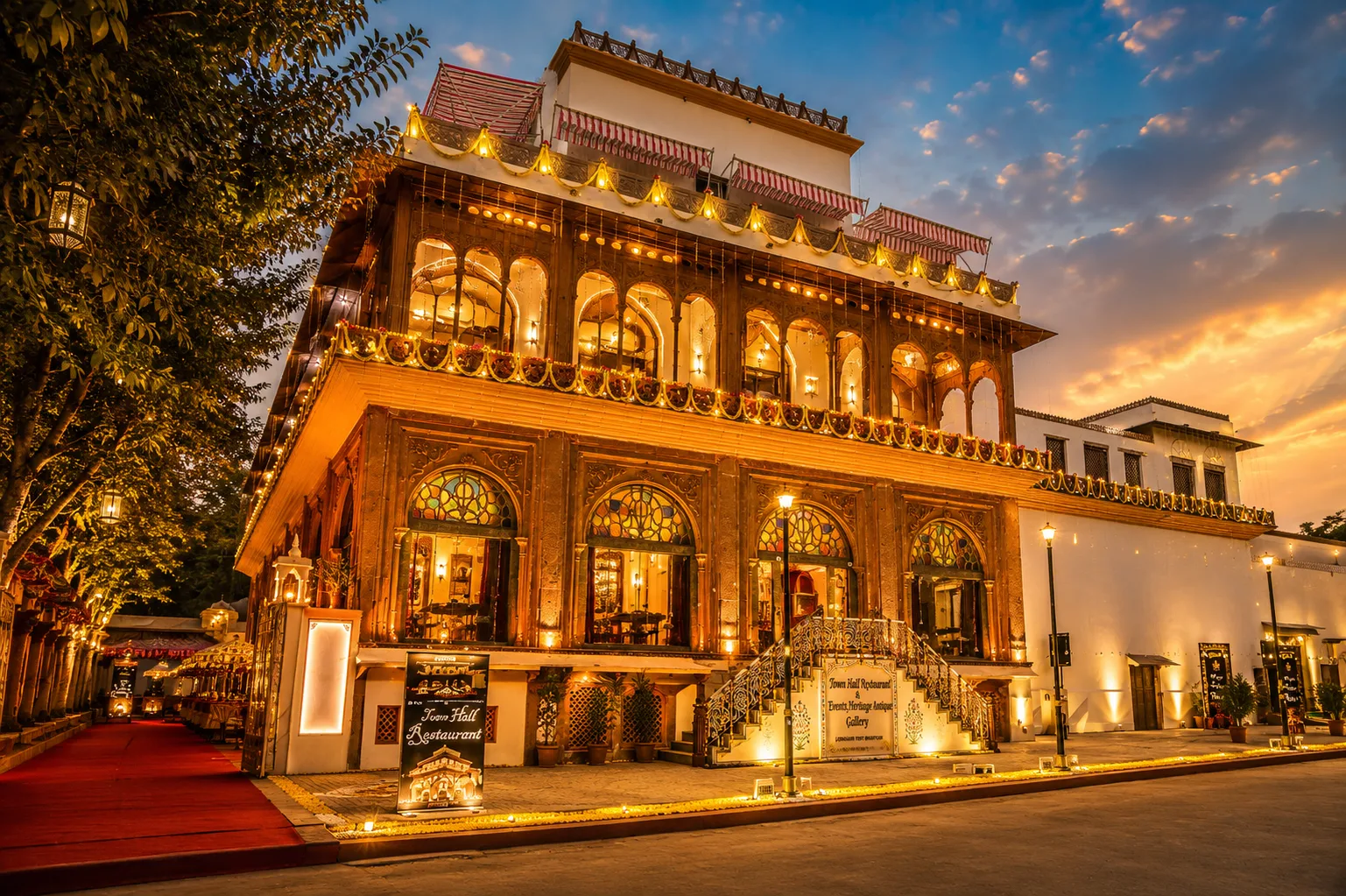
In Bharatpur, families often dine out to celebrate birthdays, anniversaries, personal achievements or simply the rare opportunity to spend time together. These meals may include young children, teenagers, parents and elderly relatives, each with different expectations. Townhall Restaurant and Events responds to this diversity through its heritage surroundings, indoor and outdoor dining choices, rooftop setting and family-oriented environment.
Understanding what makes a restaurant suitable for an extended family meal helps diners evaluate more than decoration or online popularity. It also reveals why comfort and hospitality matter as much as the menu itself.
Family Dining Has a Different Rhythm
A table occupied by two guests may order quickly and finish within a predictable period. A family group behaves differently. Some members may arrive earlier, elderly guests may require assistance, children may take longer to decide and the group may want time for photographs before ordering.
Restaurants that understand this rhythm do not make families feel as though they are delaying the service process. Staff members allow enough time for the group to settle while remaining attentive when assistance is needed.
The meal may also include several stages. Guests may begin with refreshments, share starters, pause for conversation and then order the main course. Dessert may be connected with a birthday or anniversary celebration. The restaurant must support these transitions without disappearing for long periods or pressuring the group to finish.
Seating Determines How Easily People Connect
A family meal is built around conversation, so table arrangement matters. If guests are separated across distant tables or seated where movement is difficult, the gathering loses some of its value.
Comfortable seating should allow people to see and hear one another. Elderly guests may prefer stable chairs with appropriate support, while parents may need enough room to manage children without disturbing neighbouring diners. Larger groups also benefit from clear pathways so that guests and service staff can move safely.
Someone searching for the Best Restaurant in Bharatpur should therefore look beyond photographs of empty tables. The more useful question is whether the seating can support the actual size and composition of the group.
The Setting Should Match the Occasion
Different occasions create different requirements. A casual family dinner may need relaxed seating and easy menu choices. An anniversary may benefit from a quieter atmosphere, while a birthday gathering could require space for a cake and photographs.
Townhall Restaurant and Events offers indoor, outdoor and rooftop settings, giving families alternatives according to the occasion, weather and preferred atmosphere. Indoor dining may provide greater climate control, while outdoor or rooftop seating can add openness when conditions are suitable.
Guests should discuss their requirements at the time of booking rather than assuming every setting will be available. Weather, private functions and existing reservations can affect seating options, especially during weekends and popular celebration dates.
Menu Variety Must Serve the Complete Table
A family rarely agrees on every food preference. Some guests may want familiar dishes, others may enjoy richer flavours, and children may prefer simpler options. Vegetarian requirements, spice preferences and dietary restrictions can add further complexity.
A well-designed menu should provide enough variety without becoming confusing. Restaurant staff should also be able to explain dishes accurately, including portion size, spice level and suitability for sharing.
Families can improve the experience by communicating important dietary needs before ordering. This allows the kitchen and service team to guide the group appropriately instead of making last-minute adjustments after dishes reach the table.
Service Should Guide Without Interrupting
Good family service is present but not intrusive. Staff members should notice when the table is ready to order, when water requires attention and when used dishes can be cleared. At the same time, they should avoid repeatedly interrupting conversations.
Timing becomes particularly important for larger groups because every dish may not be prepared in the same way. The service team should help families decide whether items will arrive together or in stages. Clear expectations prevent confusion when one part of the table receives food before another.
The experience of a Premium Restaurant in Bharatpur should be visible through this coordination. Premium hospitality is not simply formal behaviour; it is the ability to make the meal feel organised while allowing guests to remain focused on one another.
Children Need Inclusion, Not Tolerance
Children influence the pace of family dining. They may become restless while waiting, require simpler food or need assistance from parents throughout the meal. A family-friendly restaurant does not treat their presence as an inconvenience.
Parents can also contribute by supervising children and selecting appropriate seating. They should avoid allowing young guests to move through service pathways, particularly when staff members are carrying hot food.
The strongest family dining environments are created through cooperation. The restaurant provides a welcoming and manageable setting, while parents ensure that children remain safe and considerate of other diners.
Elderly Guests Require Practical Comfort
Elderly relatives may evaluate the restaurant differently from younger guests. They may pay closer attention to entry access, walking distance, seating support, noise levels and the availability of familiar food.
Families should request suitable seating when making a reservation. A table close to the entrance may be preferable for someone with limited mobility, while a quieter area can make conversation easier for guests with hearing difficulties.
These requirements should not be treated as special complications. They are normal parts of multi-generational hospitality and should be considered when planning the table.
Luxury Is Experienced Through Ease
A visually impressive interior can create an attractive first impression, but families experience luxury through ease. They notice whether their reservation is recognised, whether the table is prepared, whether staff understand the occasion and whether food arrives in a coordinated manner.
Cleanliness, temperature, lighting and washroom maintenance also influence the experience. These details may not appear in promotional photographs, but guests encounter them directly.
A Luxury Restaurant in Bharatpur should therefore deliver more than decorative surroundings. It should make the occasion feel comfortable, considered and worthy of the time the family has chosen to spend together.
Heritage Atmosphere Adds Meaning
Townhall Restaurant and Events is located within the heritage surroundings of Lohagarh Fort in Bharatpur. This setting gives the dining experience a visual identity connected with the city rather than making it feel like a restaurant that could exist anywhere.
Heritage atmosphere should not overwhelm the meal. Its role is to provide character through architecture, setting and a sense of place. Families celebrating an occasion may also appreciate the photographic possibilities created by the surroundings.
For visitors, the environment can add another layer to their Bharatpur experience. For local families, it can transform a familiar gathering into an occasion that feels more distinctive.
Celebrations Need Advance Communication
Birthdays, anniversaries and other family occasions work best when the restaurant understands what is being planned. Guests should communicate the group size, preferred seating, expected arrival time, cake requirements and any decoration requests in advance.
Not every request may be available, and additional arrangements may involve separate terms or charges. Confirming these details helps both sides avoid misunderstandings.
Families should also arrive reasonably close to the reserved time. A late arrival can affect table availability, food timing and the broader flow of service during busy periods.
Privacy and Family Safety Matter
A family restaurant must maintain an environment in which different generations feel comfortable. Townhall Restaurant and Events does not permit STAG entry, supporting its positioning as a family-focused dining and celebration space.
This policy should be communicated accurately and applied consistently. Guests should also follow the restaurant’s conduct requirements and respect other families sharing the property.
A secure atmosphere does not mean the environment must feel overly controlled. The objective is to allow families to dine and celebrate without unnecessary disturbance.
Questions to Ask Before Reserving a Family Table
Families can prevent many difficulties by confirming a few practical details:
- Is a table available for the complete group?
- Which dining setting suits the occasion?
- Is the preferred area available on the selected date?
- Can elderly guests access the table comfortably?
- Are dietary requirements manageable?
- Are cakes or simple celebration arrangements permitted?
- Is advance payment required for a large group?
- What is the cancellation policy?
- Are any private events scheduled?
- What arrival time should the family follow?
These questions are especially important for larger gatherings and weekend bookings.
Why Long Meals Create Stronger Memories
Families often remember the conversation around a meal more clearly than the individual dishes. They remember who attended, what was celebrated and how the gathering felt.
A restaurant contributes to these memories by removing avoidable pressure. Comfortable seating allows people to remain longer, thoughtful service protects the flow of conversation and an appropriate setting gives the occasion its own identity.
Townhall Restaurant and Events combines heritage character, multiple dining environments and family-oriented hospitality to support these experiences in Bharatpur.
Conclusion
A successful family meal is not measured by speed. It is measured by whether guests had enough time and comfort to reconnect. Food remains central, but seating, accessibility, service timing, atmosphere and communication determine how the meal unfolds.
Townhall Restaurant and Events provides an environment designed for family dining, celebrations and meaningful gatherings. Its heritage setting and indoor, outdoor and rooftop options allow families to select an atmosphere suited to their occasion.
When a restaurant understands the rhythm of a family table, dining becomes more than ordering and eating. It becomes shared time—and that is often the most valuable part of the experience.