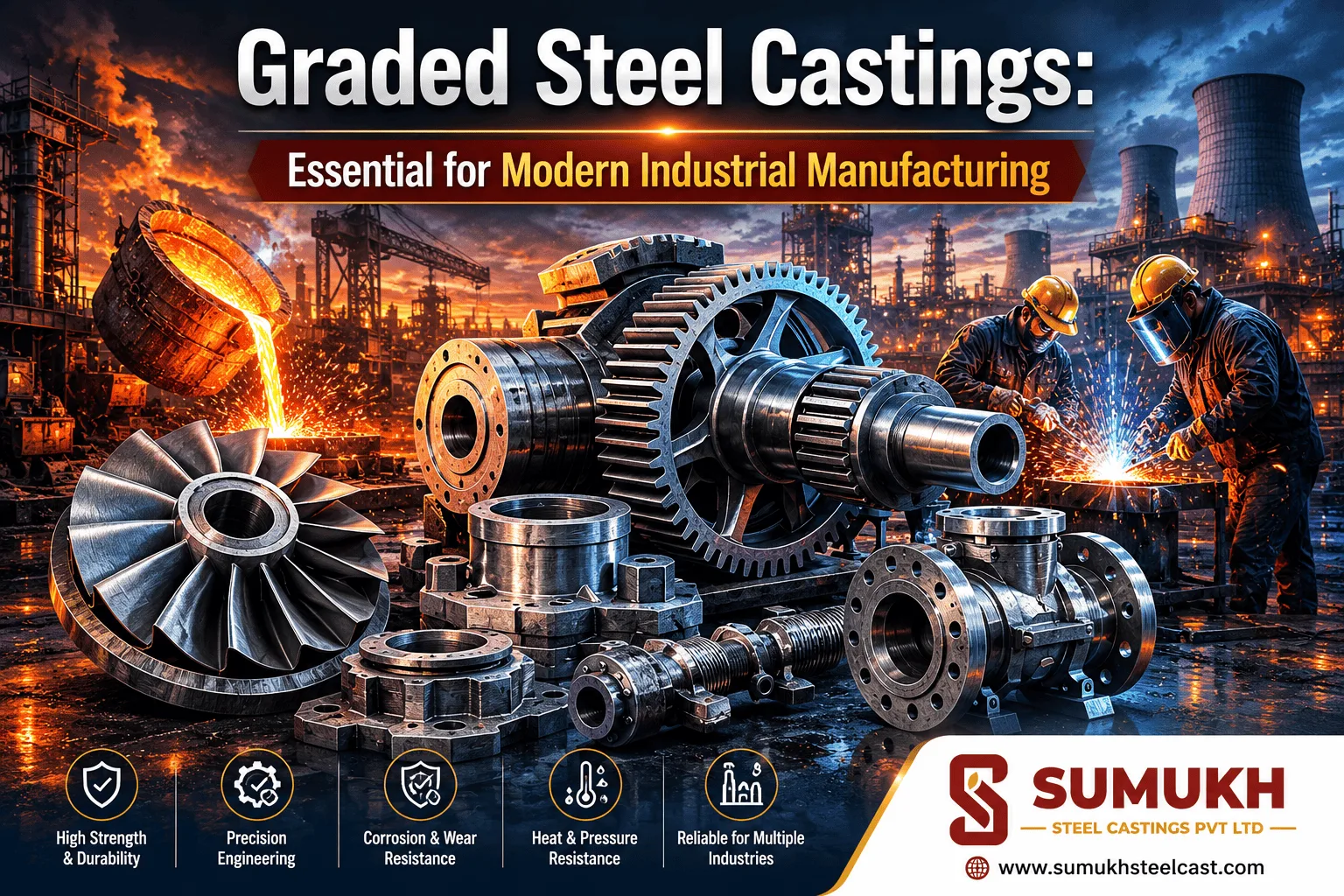
In today’s rapidly evolving industrial landscape, stainless steel casting plays a critical role in producing durable, corrosion-resistant, and precision-engineered components for multiple industries. From automotive and oil & gas to food processing and power generation, stainless steel castings are widely preferred because of their strength, longevity, and superior performance under extreme conditions.
Discover how stainless steel casting improves durability, precision, and corrosion resistance in modern industries. Learn applications, benefits, and manufacturing advantages from leading stainless steel casting experts.
As industries continue demanding high-quality engineered products, manufacturers are increasingly relying on advanced casting techniques to achieve precision and reliability. Companies specializing in stainless steel casting are helping businesses improve operational efficiency while reducing long-term maintenance costs.
Understanding Stainless Steel Casting
Stainless steel casting is a manufacturing process where molten stainless steel is poured into a mold cavity to create complex industrial components. Once cooled and solidified, the casting is removed, cleaned, and finished according to the required specifications.
This process enables manufacturers to produce intricate shapes and designs that are difficult or expensive to achieve using traditional machining methods. Stainless steel itself contains chromium, which gives the material exceptional corrosion resistance and enhanced mechanical properties.
The growing use of stainless steel castings across industries highlights their importance in modern engineering and industrial manufacturing.
Why Stainless Steel Casting is Preferred in Modern Industries
1. Exceptional Corrosion Resistance
One of the biggest advantages of stainless steel casting is its ability to resist corrosion in harsh environments. Components exposed to moisture, chemicals, high humidity, or saltwater require materials that maintain structural integrity over long periods.
Industries such as marine engineering, pharmaceuticals, food processing, and chemical manufacturing depend heavily on stainless steel castings because they can withstand aggressive operating environments without degrading quickly.
2. High Strength and Durability
Stainless steel castings offer excellent tensile strength and wear resistance. This makes them suitable for applications involving high pressure, heavy loads, and elevated temperatures.
Industrial machinery, valves, pumps, turbine components, and automotive parts require durable materials that perform reliably under stress. Stainless steel casting ensures components remain functional even in demanding industrial conditions.
3. Design Flexibility
Modern manufacturing often requires complex geometries and custom-engineered parts. Stainless steel casting allows manufacturers to create intricate designs with high dimensional accuracy.
This flexibility reduces the need for excessive machining, lowers production costs, and shortens manufacturing lead times. Engineers can optimize product designs without compromising functionality or structural strength.
4. Cost-Effective Manufacturing
Although stainless steel is considered a premium material, casting processes help minimize waste and improve material utilization. Producing near-net-shape components reduces machining requirements and lowers overall production expenses.
For industries seeking long-term reliability and reduced maintenance costs, stainless steel castings provide excellent return on investment.
Industries Using Stainless Steel Casting
Automotive Industry
Automotive manufacturers use stainless steel castings for exhaust systems, engine components, turbocharger parts, and structural applications. The material’s heat resistance and durability improve vehicle performance and reliability.
Oil and Gas Industry
The oil and gas sector operates in highly corrosive environments where equipment failure can lead to major operational disruptions. Stainless steel castings are widely used in valves, pumps, fittings, and drilling equipment because of their resistance to corrosion and high temperatures.
Food Processing Industry
Hygiene and cleanliness are essential in food manufacturing. Stainless steel castings are ideal for food-grade applications because they resist contamination, are easy to clean, and maintain surface integrity over time.
Power Generation
Power plants require components capable of handling extreme temperatures and pressures. Stainless steel castings are commonly used in turbines, heat exchangers, boilers, and energy production systems.
Marine Industry
Marine applications expose equipment to saltwater and harsh environmental conditions. Stainless steel castings provide excellent corrosion protection, making them suitable for shipbuilding, offshore structures, and marine equipment.
Types of Stainless Steel Used in Casting
Different stainless steel grades are selected depending on the application and required performance characteristics.
Austenitic Stainless Steel
Known for excellent corrosion resistance and weldability, austenitic grades are widely used in food processing, pharmaceuticals, and chemical industries.
Martensitic Stainless Steel
These grades offer higher hardness and strength, making them suitable for wear-resistant industrial applications.
Ferritic Stainless Steel
Ferritic stainless steels provide good corrosion resistance and are often used in automotive and industrial applications.
Duplex Stainless Steel
Duplex grades combine high strength with superior corrosion resistance, making them ideal for offshore and chemical processing industries.
The Stainless Steel Investment Casting Process
Investment casting, also known as lost-wax casting, is one of the most widely used methods for producing stainless steel components with excellent precision.
The process involves:
- Creating a wax pattern of the desired component
- Coating the pattern with ceramic material
- Melting out the wax to form a mold cavity
- Pouring molten stainless steel into the mold
- Cooling, solidification, and finishing
This process delivers highly accurate castings with excellent surface finishes and minimal machining requirements.
Quality Standards in Stainless Steel Casting
Modern industries demand strict quality control throughout the manufacturing process. Reputable stainless steel casting manufacturers follow international standards and testing procedures to ensure product reliability.
Quality checks may include:
- Chemical composition analysis
- Dimensional inspection
- Mechanical property testing
- Non-destructive testing
- Surface quality inspection
- Heat treatment verification
Maintaining consistent quality is essential for ensuring safety, performance, and long-term durability.
Future Trends in Stainless Steel Casting
The global manufacturing industry is rapidly adopting advanced technologies to improve efficiency and sustainability. Stainless steel casting manufacturers are increasingly integrating automation, simulation software, and precision engineering into production processes.
Emerging trends include:
- Smart manufacturing systems
- Automated casting processes
- Sustainable foundry operations
- Advanced alloy development
- Digital quality monitoring
- Energy-efficient production methods
These innovations are helping manufacturers deliver higher quality castings while reducing environmental impact.
Choosing the Right Stainless Steel Casting Manufacturer
Selecting the right manufacturing partner is crucial for achieving consistent product quality and operational reliability.
When evaluating a stainless steel casting manufacturer, businesses should consider:
- Industry experience
- Manufacturing capabilities
- Quality certifications
- Material expertise
- Customization options
- Production capacity
- Technical support
- Delivery timelines
A trusted casting manufacturer can provide customized solutions tailored to specific industrial requirements.
Conclusion
Stainless steel casting has become an essential manufacturing solution for industries requiring precision, durability, and corrosion resistance. Its versatility, strength, and cost-effectiveness make it one of the most valuable processes in modern industrial engineering.
From automotive and marine applications to food processing and power generation, stainless steel castings continue to support critical industrial operations worldwide. As manufacturing technologies evolve, the demand for high-quality stainless steel casting solutions will continue to grow.
Businesses seeking reliable industrial components should partner with experienced manufacturers capable of delivering precision-engineered stainless steel castings that meet international quality standards and application requirements.
FAQ
- What are the main benefits of stainless steel casting?
Stainless steel casting offers excellent corrosion resistance, durability, and high-temperature strength for industrial applications. - Which industries commonly use stainless steel castings?
Automotive, oil & gas, marine, food processing, and power generation industries widely use stainless steel castings. - What is investment casting in stainless steel manufacturing?
Investment casting is a precision manufacturing process used to create complex stainless steel components with high accuracy. - Why is stainless steel preferred over other casting materials?
Stainless steel is preferred because it provides superior strength, corrosion resistance, and long service life. - How can I select the best stainless steel casting manufacturer?
You should choose a manufacturer with advanced production facilities, quality certifications, and proven industry expertise.