Steam turbines play an important role in power generation and industrial operations. They convert the energy in high-pressure steam into mechanical energy, which drives generators and other equipment. Since these machines often operate under demanding conditions, regular care is essential for keeping them reliable and efficient.
A well-planned steam turbine maintenance approach helps operators identify wear, address developing faults, and reduce the risk of unexpected shutdowns. It also supports better equipment performance and helps extend the working life of important turbine components. Understanding what maintenance involves can help power plant teams make informed decisions about their equipment.
🔧 Why Steam Turbine Maintenance Is Important
Steam turbines operate with high temperatures, pressure, and rotating forces. Over time, these conditions can affect blades, rotors, bearings, seals, and other internal parts. Even minor changes can influence performance if they remain unnoticed.
Regular inspections help identify problems before they develop into major equipment failures. Maintenance teams can assess component condition, review operating data, and determine whether repairs or replacements are needed.
A consistent maintenance plan offers several benefits:
- Improved reliability: Routine checks help identify developing faults.
- Reduced downtime: Planned work can prevent some unexpected shutdowns.
- Better efficiency: Correcting equipment issues helps support stable operation.
- Longer component life: Timely repairs can reduce further damage.
- Improved planning: Maintenance schedules help teams prepare resources and budgets.
🏭 Common Steam Turbine Components That Need Attention
Different turbine components perform specific functions. Each requires suitable inspection and repair methods based on its condition and operating history.
1. Turbine Blades
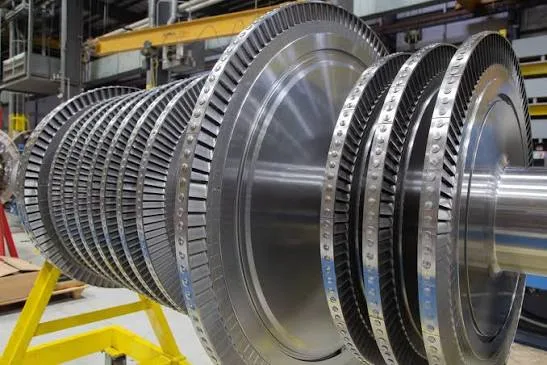
Blades transfer energy from expanding steam to the rotating shaft. Exposure to heat, pressure, moisture, and operating stresses can cause erosion, cracking, or surface damage. Inspections help determine whether blades need repair or replacement.
2. Rotor Assembly
The rotor is one of the most important parts of a steam turbine. It transfers rotational energy through the connected equipment. Technicians may inspect the rotor for wear, dimensional changes, and other signs of damage. Balancing and specialist repair work may also be required.
3. Bearings and Seals
Bearings support rotating components, while seals help control steam leakage. Wear or damage in these areas can affect vibration levels, operating stability, and overall performance. Regular condition checks help identify problems that need attention.
4. Valves and Diaphragms
Valves regulate steam flow, while diaphragms help direct steam through the turbine stages. Damage, deposits, or wear can affect how efficiently the turbine operates. These components should be assessed during suitable inspection and repair activities.
📋 What Does a Steam Turbine Inspection Involve?
A turbine inspection is more than a visual check. It involves reviewing equipment condition and identifying areas that may require further attention.
The exact inspection process depends on the turbine model, operating conditions, service history, and planned outage scope. Common activities may include:
- Reviewing operating records and previous inspection reports.
- Checking vibration and temperature trends.
- Inspecting accessible internal components.
- Assessing rotor, blade, and casing condition.
- Performing suitable non-destructive testing.
- Recording findings and recommending corrective work.
The inspection results help maintenance teams decide which tasks are necessary. This prevents unnecessary work while ensuring important issues receive attention.
⏱️ Why Planned Maintenance and Outage Preparation Matter
Major turbine repairs often require a planned outage. Without proper preparation, work can take longer than expected and create additional pressure on plant operations.
Outage planning should begin with a clear understanding of the equipment's condition and maintenance requirements. Teams need to define the project scope, arrange specialist support, identify required parts, and establish a realistic schedule.
During execution, coordination is important. Technicians, engineers, and plant personnel must understand their responsibilities and follow the agreed work plan. Progress reviews also help teams respond to unexpected findings.
After the outage, reviewing inspection reports and completed work provides useful information for future maintenance decisions.
🛠️ Choosing the Right Turbine Repair Partner
Selecting a service provider requires more than comparing prices. Power generation equipment needs experienced technicians, suitable facilities, and a clear understanding of different turbine designs.
Operators should consider several factors before choosing a repair partner:
- Experience with the relevant turbine manufacturer and model.
- Access to suitable inspection and repair capabilities.
- Understanding of rotor and component repair requirements.
- Strong quality control and safety practices.
- Ability to support planned field work and outage activities.
- Clear communication throughout the project.
Allied Power Group provides gas and steam turbine repair, component repair, rotor services, field services, and new and refurbished parts. Its published capabilities cover several turbine platforms, supporting power generation operators with different equipment requirements.
📈 How Maintenance Supports Long-Term Plant Performance
Maintenance should be viewed as part of a wider equipment management strategy. Repairing a damaged component is important, but understanding why the damage occurred can be just as valuable.
Maintenance records help operators identify recurring problems and track changes in equipment condition. This information can guide future inspections, repair decisions, and outage planning.
A proactive approach also helps teams assess whether components can be repaired or need replacement. The right decision depends on technical findings, equipment requirements, and long-term operating plans.
Conclusion: Keep Turbine Operations Reliable
Steam turbines are essential assets in many power generation facilities. Their performance depends on careful inspections, timely repairs, and well-organized maintenance planning. Addressing component wear early can help reduce operational risks and support long-term equipment reliability.
Working with an experienced turbine service provider can also help operators manage complex repair and outage requirements. With the right technical support and maintenance strategy, facilities can make better decisions about their equipment and keep operations running efficiently.
📞 Need Expert Turbine Repair and Maintenance Support?
Keeping turbine equipment in good condition requires the right technical expertise and timely service. Allied Power Group offers turbine repair, component repair, rotor services, and field support for power generation equipment. Contact Allied Power Group to discuss your turbine service requirements and explore solutions that support reliable plant operations.