Travel has always been about movement, but the way people perceive journeys has changed significantly over time. For decades, speed became one of the most important factors in travel decisions. Faster transport meant greater convenience, better efficiency, and more productivity. This mindset made air travel dominant for premium travelers, especially those who valued comfort and time. Business-class and first-class flights became symbols of luxury because they combined speed with premium service, lounge access, fine dining, and comfortable seating. For many years, this represented the highest standard of elite travel.
Today, however, luxury travel is evolving in a very different direction.
Modern premium travelers are no longer obsessed with speed alone. They increasingly seek experiences that feel immersive, memorable, and emotionally meaningful. Instead of focusing only on how fast they can reach a destination, many now care about how meaningful the journey itself feels. This shift reflects a deeper change in traveler psychology. People are beginning to value presence over speed, experiences over efficiency, and emotional richness over convenience.
This transformation has revived interest in luxury rail journeys.
Unlike flights, trains transform transportation into an experience. The journey becomes part of the destination rather than merely a means to reach it. Travelers enjoy changing landscapes, slow movement, uninterrupted comfort, meaningful conversations, and a rhythm that encourages deeper engagement with travel. This creates emotional memory that flights rarely achieve.
That is why many global travelers increasingly recognize a Luxury train in the world as one of the most memorable ways to experience premium travel. The appeal lies not just in luxury but in how the journey feels.
Flights Prioritize Efficiency Over Experience
Air travel is designed primarily for efficiency.
Every element of flying is optimized around speed, security, scheduling, and operational precision. Even premium cabins, despite offering comfort and luxury, still function within this system. Travelers check in, clear security, board quickly, remain seated for hours, and disembark with minimal emotional connection to the journey itself.
This makes flights highly effective but often forgettable.
Even business-class experiences follow structured routines. Premium meals, better seats, and lounge services improve comfort, but they rarely create deep emotional memories. The journey often feels compressed and disconnected from the physical world outside.
Travelers move rapidly between destinations with limited sensory engagement.
This is where flights reveal an important limitation. They reduce travel time, but they also reduce experiential depth.
Trains Turn Travel Into Experience
Luxury rail journeys operate on a completely different philosophy.
Instead of minimizing travel time at all costs, they embrace the journey itself as a central part of the experience. Travelers are not rushed through transitions. They are invited to slow down and engage with the movement, scenery, culture, and atmosphere around them.
This creates emotional richness.
Large windows connect passengers to changing landscapes. The gradual movement allows travelers to observe geography, architecture, villages, deserts, and heritage in ways flights simply cannot offer. Travel becomes visual, sensory, and immersive.
The journey feels alive.
Instead of feeling isolated in a pressurized cabin above clouds, travelers remain connected to the land they are exploring.
That connection creates memory.
Scenic Movement Creates Emotional Memory
Human memory is strongly influenced by emotional engagement.
People remember journeys not only because of destinations but because of how the travel experience made them feel. Slow scenic movement naturally creates stronger emotional recall because it engages attention more deeply.
Rail journeys encourage observation.
Passengers notice sunrise across landscapes, changing terrains, heritage architecture, and cultural transitions between regions. These continuous visual experiences stimulate curiosity and wonder.
This builds stronger memory formation.
Flights rarely offer this because the external journey remains mostly invisible. Aside from takeoff and landing, the visual connection to the route is limited.
Luxury rail travel transforms scenery into storytelling.
This makes the journey memorable.
Slow Travel Improves Luxury
One of the biggest travel trends in recent years is slow luxury travel.
Modern travelers increasingly reject rushed itineraries that feel exhausting. Covering multiple destinations rapidly may sound productive, but it often reduces enjoyment. Many people return from fast-paced vacations feeling tired rather than refreshed.
Luxury now increasingly means slowing down.
Slow travel allows people to engage more deeply with places and experiences. It reduces stress and improves presence. Travelers enjoy more meaningful interactions and richer memories.
Luxury trains naturally align with this philosophy.
Their pace encourages calm, observation, and relaxation. Travelers stop measuring value only through speed and begin appreciating quality of experience.
This shift explains why interest in premium rail journeys continues growing worldwide.
Space and Comfort Feel Different on Trains
Even the best flights operate within space limitations.
Aircraft cabins must optimize design around weight, engineering, and operational constraints. Premium cabins improve comfort but still remain physically constrained environments.
Luxury trains feel different.
Passengers can move freely, enjoy lounges, dine in elegant restaurant cars, relax in cabins, and experience multiple spaces during the journey. This freedom improves comfort significantly.
Movement changes perception of luxury.
Instead of remaining confined to a seat for hours, passengers enjoy dynamic spaces designed for comfort and leisure. This makes long journeys feel less exhausting and more enjoyable.
This spatial freedom is one reason luxury rail journeys feel more indulgent than flights.
Heritage Adds Emotional Depth
One of the greatest strengths of luxury trains is storytelling.
Luxury rail travel often combines hospitality with heritage, culture, and history. This transforms travel into something more meaningful than transportation.
Every detail contributes to narrative.
Décor, service style, interiors, cuisine, and route design all reflect cultural identity. This storytelling creates emotional richness that standard air travel rarely provides.
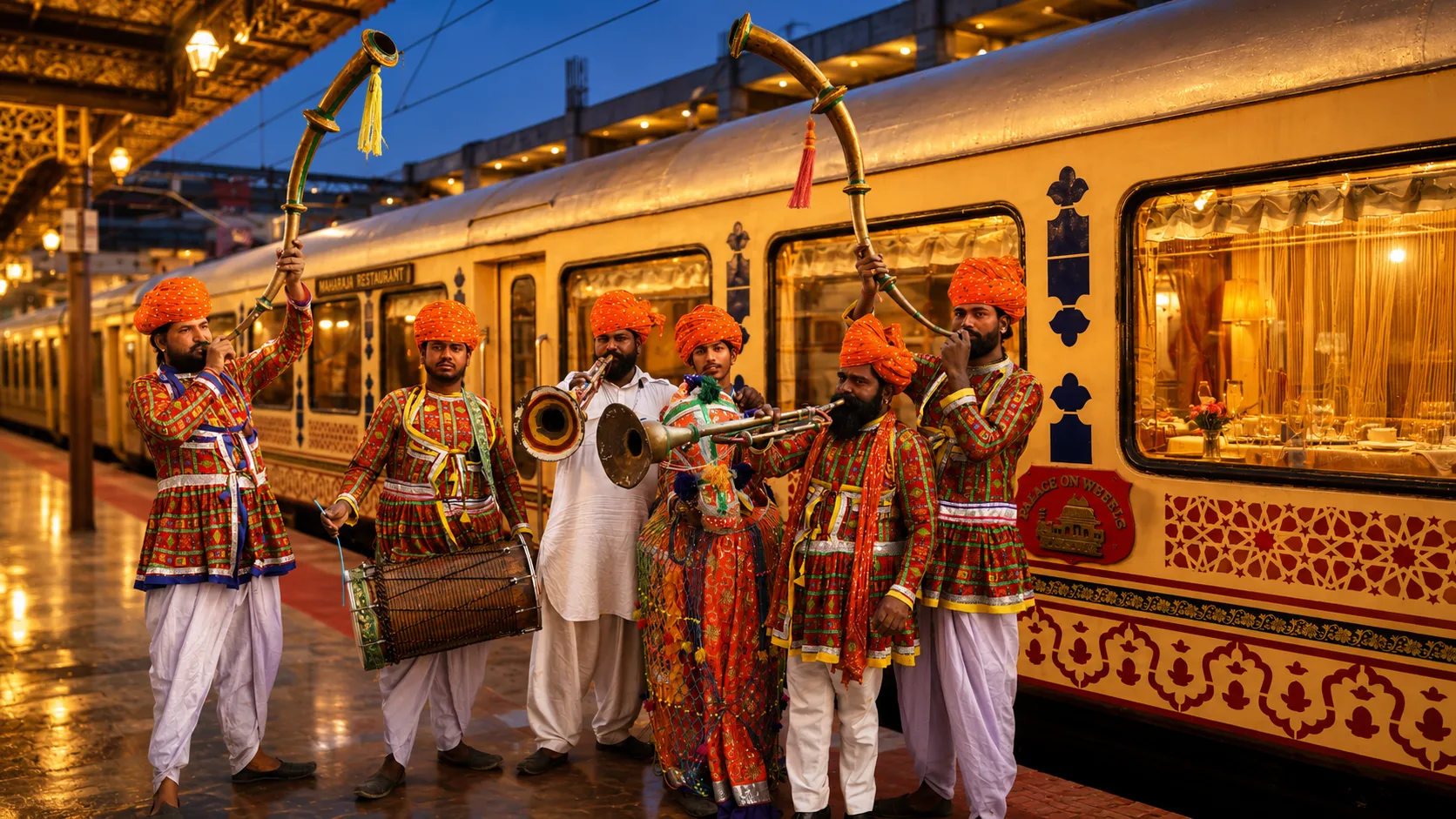
This is especially evident in journeys shaped around heritage experiences, such as the famous Palace on Wheels itinerary, where travelers experience royal hospitality while exploring iconic destinations across Rajasthan.
The journey feels immersive because it reflects culture, not just logistics.
That makes luxury feel deeper.
Luxury Is Becoming Experience-Led
The definition of luxury is changing rapidly.
Earlier, luxury often emphasized visible exclusivity and material extravagance. Today, premium travelers increasingly seek rare experiences that create meaningful emotional value.
Modern luxury means more than expensive products.
It includes privacy, personalized hospitality, storytelling, comfort, and unforgettable moments. Travelers want journeys that feel unique and emotionally rich.
Experience has become the strongest differentiator.
This explains why many travelers increasingly value rail experiences over faster alternatives. The emotional return feels greater.
Luxury is no longer only about arriving comfortably.
It is also about enjoying every moment of getting there.
Exclusivity Feels More Authentic on Luxury Trains
True exclusivity feels personal.
Luxury trains offer a unique sense of intimacy and exclusivity because passenger numbers remain limited and service feels highly personalized. This creates a premium environment where hospitality feels attentive and refined.
Passengers feel valued.
Staff interactions become warmer and more personalized. Dining feels elegant. Service feels deliberate. The overall atmosphere feels curated rather than standardized.
This creates stronger emotional satisfaction.
Exclusivity becomes experiential rather than merely transactional.
That distinction matters greatly in modern luxury travel.
The Future of Premium Travel
Luxury travel is moving toward emotional immersion.
Travelers increasingly prioritize journeys that create memory, connection, and meaningful experiences. Fast transport will always remain important, but memorable travel increasingly belongs to experiences that slow people down and deepen engagement.
Rail journeys fit this future perfectly.
They combine luxury, comfort, culture, heritage, storytelling, and scenic immersion in a way few travel formats can match.
This makes them highly relevant for modern premium tourism.
Even journeys considered among the Most expensive train journey in the world continue attracting travelers because the emotional value extends far beyond price.
That is the future of luxury.
Final Thought
Business-class flights offer speed, convenience, and comfort, but they rarely transform travel into unforgettable memory. Luxury rail journeys offer something far deeper: immersive movement, scenic storytelling, emotional connection, and the rare joy of enjoying the journey itself. In a world obsessed with speed, this slower form of luxury feels increasingly valuable.
That is why journeys like Palace on Wheels Official Website continue to attract global travelers. By combining royal hospitality, heritage luxury, cultural immersion, and unforgettable rail experiences, Palace on Wheels proves that sometimes the most memorable part of travel is not the destination, but the journey itself.
Frequently Asked Questions
Q.1: Why are luxury train journeys more memorable than flights?
Ans.: Luxury train journeys create deeper memories because they offer scenic views, immersive travel, cultural experiences, and emotional connection throughout the route. Unlike flights, where the journey feels compressed, trains allow travelers to enjoy every moment. Palace on Wheels is a perfect example of this experience-led luxury.
Q.2: Why is slow luxury travel becoming popular?
Ans.: Slow luxury travel is becoming popular because modern travelers increasingly value meaningful experiences over speed. Slower journeys reduce stress and improve emotional engagement. Palace on Wheels reflects this trend by offering premium hospitality combined with immersive travel through Rajasthan.
Q.3: What makes luxury trains feel more exclusive?
Ans.: Luxury trains feel exclusive because they offer personalized service, limited passenger capacity, elegant interiors, and curated experiences. This creates intimacy and premium comfort. Palace on Wheels delivers this exclusivity through royal hospitality and heritage-inspired luxury.
Q.4: How is Palace on Wheels different from regular train travel?
Ans.: Palace on Wheels is entirely different from regular train travel because it focuses on luxury, comfort, heritage, fine dining, and curated tourism experiences. Guests enjoy premium cabins, elegant hospitality, and immersive sightseeing across Rajasthan in a royal setting.
Q.5: Which is the official website of Palace on Wheels?
Ans.: The official website of Palace on Wheels is https://palaceonwheels.rajasthan.gov.in/. Travelers should always use the official website for authentic information about itinerary, cabins, tariffs, departures, and booking-related updates.