
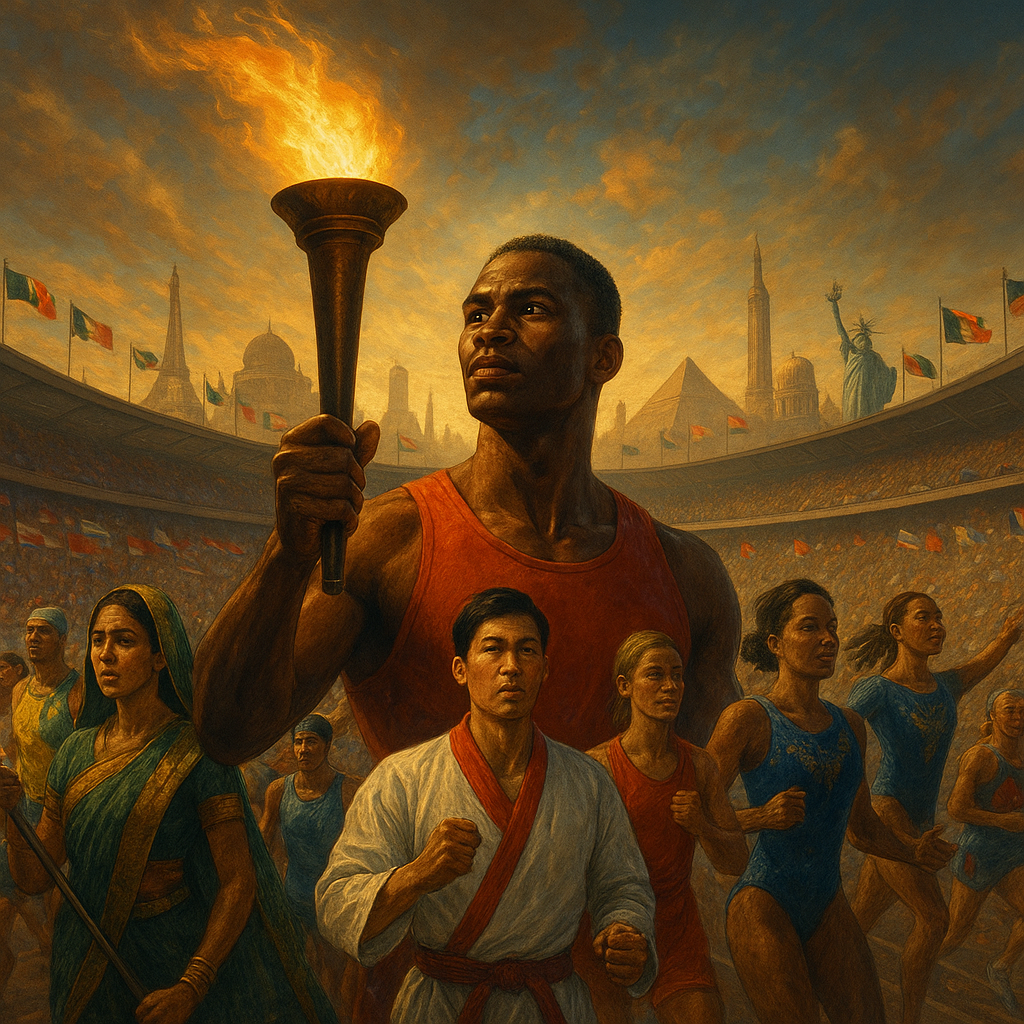
The Opening Flame: A Scene That Captivates Billions
On a clear night in February 2026, the Olympic cauldron blazed to life in Milan-Cortina's iconic opening ceremony, illuminating the snowy peaks and city skylines. Millions around the world paused, eyes glued to screens as athletes from 90+ nations marched in a display of unity and fierce pride. This ritual, repeated every two years alternating between Summer and Winter Games, is more than pageantry—it symbolizes a global heartbeat synchronized by sport.
Yet, beyond the spectacle lies a complex and evolving institution that reflects geopolitical shifts, technological innovation, and cultural dialogue. The Olympics have grown from a modest gathering of 14 nations in Athens 1896 to a colossal event engaging over 10,000 athletes in 33 sports (Summer) and 109 events (Winter). This evolution raises probing questions about its future relevance and the role it plays in shaping global sports and culture.
"The Olympics are the world's largest stage, where athletic excellence meets cultural diplomacy," says Dr. Helen Martinez, a sports historian at the International Olympic Studies Center. "Their enduring appeal is rooted in their ability to unify diverse peoples through shared human values."
Tracing the Olympic Journey: From Ancient Greece to 2026
The roots of the Olympics stretch back to 776 BC in Olympia, ancient Greece, where athletes competed in honor of Zeus. Revived in the late 19th century by Baron Pierre de Coubertin, the modern Olympics embraced ideals of amateurism, internationalism, and education through sport. The inaugural 1896 Athens Games featured 241 athletes from 14 countries, a modest start to an enterprise that would intertwine with world history.
Throughout the 20th century, the Olympics reflected global tensions and transformations:
- 1936 Berlin Games showcased propaganda amid rising fascism.
- 1968 Mexico City protests spotlighted civil rights movements.
- The Cold War era Olympics became proxy battlegrounds for superpowers.
- Professionalism slowly integrated, expanding opportunities for athletes worldwide.
By the 21st century, the Games had become a multi-billion dollar enterprise, incorporating advances in broadcast technology, sports science, and sustainable event management. The 2024 Paris Olympics emphasized climate-conscious infrastructure, setting new standards for future hosts.
As detailed in our analysis of six transformative Olympics, each iteration has redefined sport and global unity in unique ways, setting precedents that influence subsequent Games.
Data-Driven Insights: Olympic Growth and Global Impact
The 2026 Winter Olympics in Milan-Cortina marked significant milestones in scale and inclusivity:
- Participation: 90 countries sent 2,900 athletes competing across 109 events in 15 disciplines.
- Gender Equality: For the first time, women represented nearly 49% of competitors, reflecting IOC’s push for parity.
- Economic Impact: Host cities invested $3.2 billion with projected returns exceeding $4.5 billion in tourism and infrastructure benefits.
- Sustainability: Over 60% of venues utilized existing facilities or temporary structures, reducing environmental footprints.
Comparatively, the 2024 Summer Olympics in Paris engaged 10,500 athletes from 206 National Olympic Committees, with an estimated global TV audience exceeding 3.6 billion viewers, according to the International Olympic Committee (IOC).
The Olympics’ influence extends beyond sports, catalyzing:
- Urban development and modernization in host regions.
- Promotion of peace and diplomacy through sportsmanship.
- Innovation in broadcasting and digital fan engagement, including VR experiences debuting in 2026.
- Growth of youth participation in sports worldwide.
"The Olympics serve as a catalyst for societal progress, from gender equality to environmental responsibility," notes IOC President Thomas Bach during the 2026 closing ceremony.
Current Developments Shaping the Olympics in 2026
Recent years have ushered in transformative shifts within Olympic operations and ethos. The 2026 Winter Games showcased these trends vividly:
- Technological Integration: AI-driven athlete analytics and real-time health monitoring enhanced performance and safety.
- Expanded Sports Roster: The inclusion of new disciplines like breakdancing (debuted in Paris 2024) and drone racing signaled a commitment to youth culture and innovation.
- Decentralized Hosting: The IOC endorsed multi-city hosting models to share costs and environmental impact, exemplified by Milan-Cortina's split venues.
- Global Accessibility: Enhanced digital platforms allowed immersive viewing experiences, breaking barriers for fans with disabilities.
However, challenges remain. Political tensions occasionally cast shadows on the Games' unifying mission. The ongoing debate about athlete mental health, doping scandals, and the environmental cost of mega-events continue to provoke scrutiny and calls for reform.
For athletes aspiring to join this elite circle, our definitive guide to starting a journey in the Olympics offers critical insights into navigating qualification pathways and training regimens.
Expert Perspectives: The Olympics’ Role in Global Sports and Culture
Experts across sports management, sociology, and international relations emphasize the Olympics' multifaceted influence. Dr. Samuel Greene, a sociologist specializing in sports diplomacy, argues:
"The Olympics act as a mirror reflecting global societal values and tensions. They are a unique arena where political narratives and cultural identities are negotiated through the language of sport."
From a cultural standpoint, the Games promote intercultural exchange. Opening ceremonies blend tradition and modernity, offering host nations a platform to share heritage on an unparalleled scale.
Moreover, sports economists highlight how Olympic investments stimulate long-term development. While costly, infrastructure projects often rejuvenate cities, boost employment, and inspire generations. Yet, they caution about the risks of overambitious projects leading to "white elephants."
Environmentalists praise recent IOC mandates for sustainability but urge for deeper commitments to carbon neutrality and local community engagement.
"The Games must evolve beyond spectacle to embody genuine ethical leadership," asserts environmental advocate Lina Tchou, who collaborates with Olympic sustainability committees.
Looking Ahead: The Future of the Olympic Movement
As the Olympic flame fades in 2026, questions about the future direction of the movement sharpen. Key areas to watch include:
- Technological Innovation: Integration of virtual reality and AI to enhance athlete training and fan experiences.
- Inclusivity and Diversity: Expanding representation for marginalized groups and adaptive sports athletes.
- Environmental Sustainability: Achieving carbon-neutral Games by 2030 as per IOC targets.
- Geopolitical Dynamics: Navigating international tensions while maintaining the Games’ apolitical stance.
- Economic Models: Exploring cost-effective, legacy-focused hosting strategies to ensure long-term viability.
With Paris preparing for the 2028 Summer Olympics, organizers aim to push boundaries further by leveraging smart city technologies and deepening community ties. The Olympic movement's resilience will depend on balancing tradition with innovation and global unity with local impact.
For a comprehensive understanding of how the Olympics continue to shape global sports and culture, see our detailed feature How the Olympics Continue to Shape Global Sports and Culture. This resource contextualizes evolving trends and their implications for athletes, fans, and policymakers.
Ultimately, the Olympics remain a beacon of human potential and international camaraderie. As one 2026 athlete reflected post-competition, "Standing on that podium, I felt connected to something much bigger than myself—a shared human story written through sport."