For many businesses today, having a website is an important part of daily operations. Customers often search online before contacting a company, visiting a store, or using a service. Because of this, businesses usually want websites that are easy to manage, update, and maintain over time.
In the past, even small website changes often required technical support or coding knowledge. Updating services, changing business information, adding products, uploading images, or editing content could sometimes become difficult for smaller teams and business owners. For businesses that regularly update their websites, this process could take unnecessary time and effort.
This is one reason many businesses are now choosing website builders that are simpler to use.
No-code website platforms and drag-and-drop editing tools have become increasingly common because they help businesses handle routine website updates more comfortably. Instead of depending heavily on developers or technical workflows for every small change, businesses can often manage basic updates internally.
For startups, freelancers, local businesses, service companies, and growing teams, this approach often feels more practical for everyday website management.
Most businesses are mainly looking for features that help simplify their workflow, including:
- Easy page editing
- Mobile-friendly website layouts
- Faster content updates
- Ecommerce support
- Flexible customization
- Simpler content management
Ease of use has become an important factor when businesses compare website platforms. A website that is difficult to maintain can slow down regular updates and make website management stressful over time.
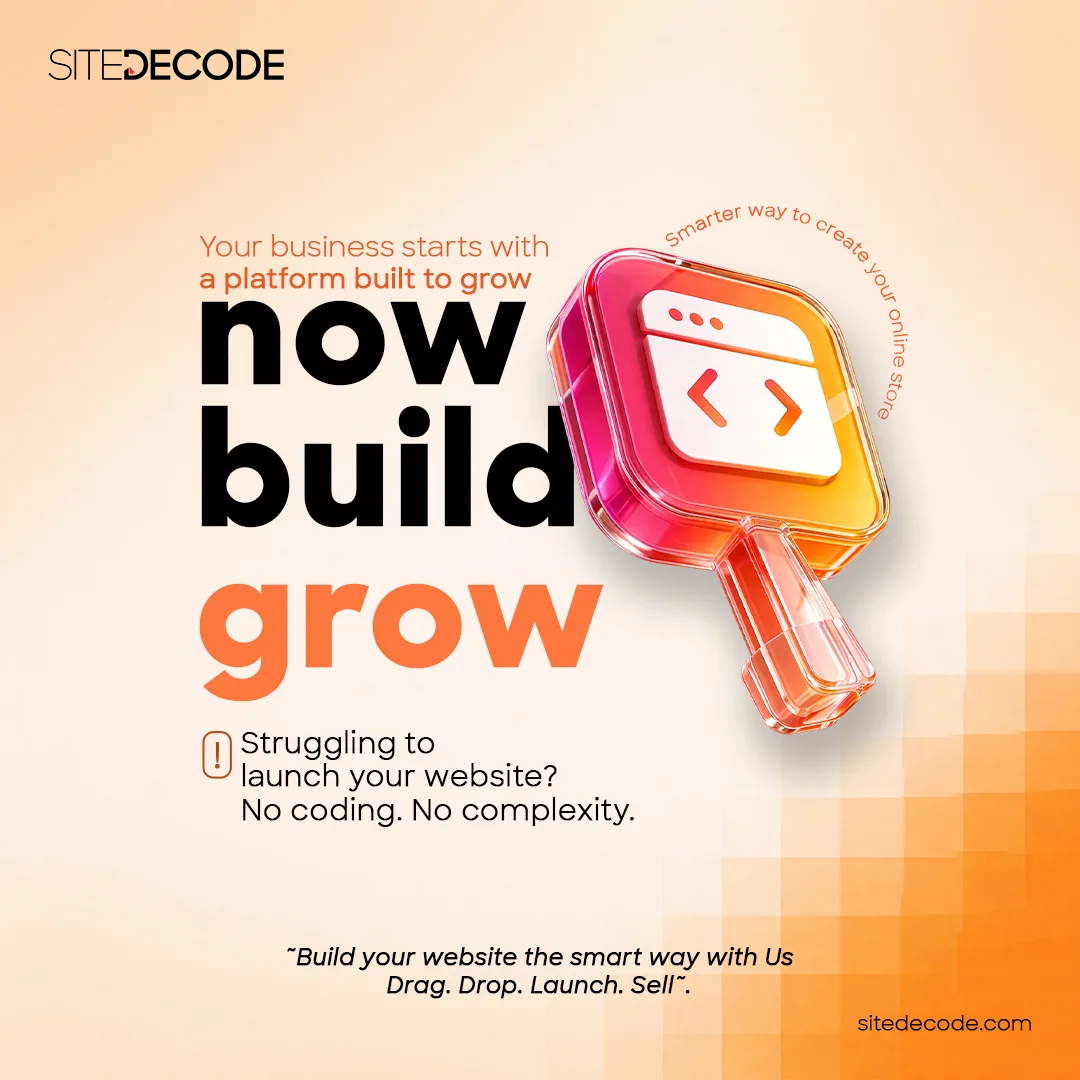
Platforms like SD Web by Sitedecode are designed around this simpler approach. The platform helps businesses create and manage websites using drag-and-drop editing and no-code tools.
It can be used for:
- Business websites
- Ecommerce websites
- Portfolio websites
- Service-based websites
Many businesses now update their websites more frequently than before. Products change, services evolve, announcements get added, and business information often needs regular updates. Having a website platform that allows these changes to be managed more comfortably can help businesses maintain a more active and updated online presence.
Before choosing a website builder, businesses commonly compare:
- Ease of editing
- Mobile responsiveness
- Website flexibility
- Ecommerce functionality
- Long-term manageability
- Content management simplicity
For many teams, the goal is not necessarily finding the most advanced or complicated system. Instead, they often prefer a website platform that feels practical for regular use and easier to manage as the business grows.
Another reason businesses are moving toward simpler website tools is the growing need for flexibility. Businesses today often need to react quickly to changes, whether it is updating product availability, publishing new information, promoting services, or improving customer communication through their websites.
A platform that allows businesses to handle these updates more comfortably can make daily operations smoother and reduce dependency on technical support for routine tasks.
As online presence continues becoming more important across different industries, businesses are increasingly looking for website solutions that balance functionality with simplicity for everyday management.