
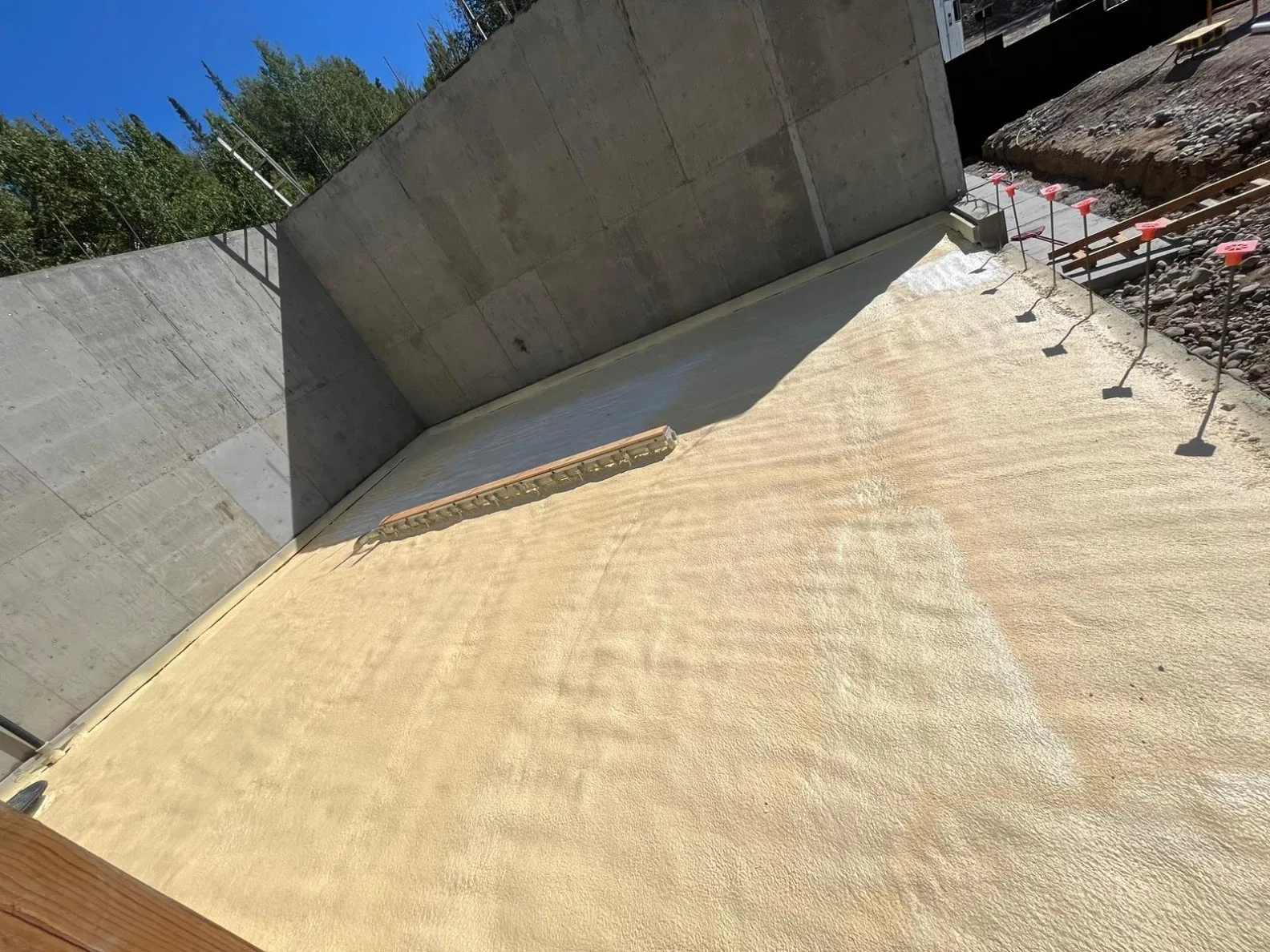
Choosing ceiling foam insulation for a new construction project in Driggs provides the most effective thermal barrier against extreme mountain weather. This material creates a permanent air seal that prevents heat loss, lowers energy bills, and protects the structural integrity of the roof. Unlike traditional materials, it does not settle or lose its effectiveness over time, making it a superior financial choice for long-term property value.
This article examines why modern spray-applied solutions are the gold standard for Teton Valley builders. You will learn about the technical performance, moisture management, and cost benefits of this technology. With decades of building science backing these methods, it is clear that the right insulation choice during the framing stage determines the comfort and efficiency of a home for its entire lifespan.
The immediate impact of ceiling foam insulation on home performance
In high-altitude environments like Driggs, the temperature difference between the indoors and outdoors can be significant. Choosing Spray Foam in Driggs, ID for ceiling insulation helps create a custom-fit air barrier that expands to fill every gap in the roof assembly. This prevents the warm air you pay to heat from escaping through the ceiling, improving energy efficiency and indoor comfort.
Most heat loss in a residential building occurs through the ceiling. Because spray foam expands into every crack and crevice, it eliminates the drafts that often occur with traditional fiberglass batt insulation. The result is a more stable indoor climate, regardless of the wind, snow, or freezing temperatures outside.
Bonus Tip: Make sure your installers apply spray foam to the top plates of all interior walls. This helps stop conditioned air from leaking into the attic, reducing hidden energy loss and improving the overall performance of your home's insulation system.

Why spray foam ceiling insulation outperforms traditional materials
Standard insulation options like cellulose or fiberglass rely on trapped air to provide resistance to heat flow. However, these materials do not stop air movement. Spray foam ceiling insulation acts as both a high-performance insulator and an airtight seal, providing two functions in a single application.
This dual-action performance is vital in Idaho, where heavy winter winds can "wash" through fiberglass, stripping away its R-value. Foam stays in place and maintains its density, ensuring that the performance you paid for on day one remains the same twenty years later.
Technical comparison of common insulation types
When you are planning a new build, comparing the technical specifications of your options helps you understand their long-term value. The table below highlights how different materials stack up against the challenges of a cold climate.
Performance MetricClosed Cell FoamOpen Cell FoamFiberglass BattsCelluloseR-Value per Inch6.5 to 7.03.5 to 3.83.1 to 3.43.2 to 3.7Air Sealing AbilityExcellentVery GoodNonePoorMoisture ResistanceHighModerateLowLowStructural SupportAdds StrengthMinimalNoneNoneLifespan50 plus years50 plus years15 to 25 years20 to 30 yearsHow spray foam insulation for ceiling projects prevents ice dams
Ice dams are a major concern for property owners in the Teton Valley. These occur when heat leaks from the house and melts the snow on the roof, which then refreezes at the cold eaves. Using spray foam insulation for ceiling applications keeps the roof deck at a consistent temperature.
Because the heat is kept inside the living space, the roof remains cold enough that snow does not melt prematurely. This protects your shingles, gutters, and fascia from water damage and heavy ice buildup. It also reduces the need for heat cables on your roof.
The durability of spray foam for ceiling insulation in new builds
One of the biggest advantages of spray foam for ceiling insulation is its physical durability. Traditional materials often sag or compress over time due to gravity or moisture absorption. Once insulation compresses, it loses a significant portion of its thermal resistance.
Spray-applied foam adheres directly to the building components. It becomes a part of the structure itself and does not settle. This means you will not have to deal with the expense of "topping off" your insulation every decade to maintain home comfort.
The logic behind spray-applied ceiling insulation for complex rooflines
Modern mountain architecture often features complex rooflines, vaulted ceilings, and dormers. These designs are notoriously difficult to insulate with standard blankets or batts. Spray-applied ceiling insulation is the perfect solution for these intricate shapes because it is applied as a liquid.
The liquid expands into every corner, ensuring that even the most difficult angles are fully protected. This level of coverage is nearly impossible to achieve with the manual cutting and fitting of traditional insulation, which often leaves "cold spots" in the corners of vaulted rooms.
Efficiency gains with commercial ceiling spray insulation
For larger projects like shops, barns, or commercial buildings in Driggs, commercial ceiling spray insulation provides significant structural benefits. In metal buildings, it prevents the condensation that often forms on the underside of roof panels during temperature shifts.
This keeps the interior dry and protects any equipment or inventory stored inside. Additionally, the foam adds racking strength to the building, helping the structure better withstand the high wind loads and heavy snow accumulation common in the region.
The science of ceiling spray foam insulation and air quality
Indoor air quality is a major factor in modern home design. Ceiling spray foam insulation helps create a controlled environment by blocking outdoor pollutants, dust, and pollen from entering through the roof. This is especially beneficial during the dry, windy summer months in Idaho.
Unlike older insulation types, foam does not break down into dust or shed fibers into the air. This results in a cleaner home and a reduced load on your HVAC filtration system. It also seals out nesting pests, like mice or insects, that often find a home in fiberglass.
Things to evaluate before choosing your insulation package
Planning for a high-performance home requires looking at more than just the price tag. You must consider the total cost of ownership and how the material interacts with the rest of your building systems.
- Determine your R-value goals. Teton County has specific codes, but going above the minimum can lead to much higher savings.
- Check the moisture profile. Ensure the type of foam you choose matches the vapor barrier requirements of your roof design.
- Coordinate with other trades. Electricians and plumbers should finish their rough-ins before the foam is applied.
- Verify the installer credentials. Proper mixing and temperature control are necessary for the foam to cure correctly.
Bonus Tip: If you are building a home with a mechanical room in the attic, foam is the best choice. It keeps the equipment inside a conditioned space, which improves the efficiency of your furnace and water heater.
Local environmental factors that influence insulation choice
Driggs sits at an elevation of over 6,000 feet, which means the air is thinner and the winters are longer. This climate demands a material that can handle extreme freeze-thaw cycles. Ceiling foam insulation is flexible enough to expand and contract with the wood framing without cracking or losing its seal.
The high-altitude sun also creates significant heat gain through the roof in the summer. Foam reflects this radiant heat, keeping the upstairs of your new build cool during July and August. This year-round performance makes it a versatile tool for any local builder.
Professional consultation for your Driggs building project
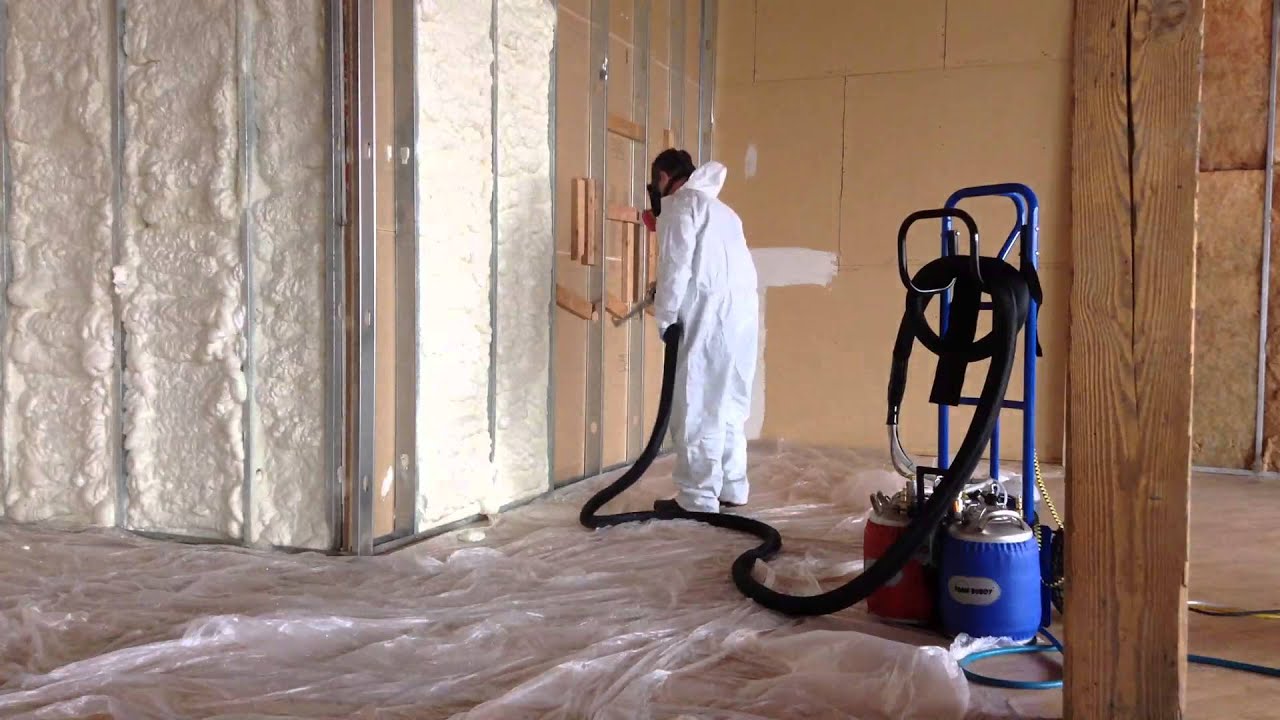
Securing the right insulation for a new build is a major step in the construction process. High Country Solutions offers expert guidance and application for residential and commercial properties throughout the area. Their team understands the specific needs of the Idaho climate and can help you select the best foam for your roof design. You can reach them at (307) 248-9063 or by email at [email protected] to request a free quote for your project. They are dedicated to helping you build a home that is efficient, comfortable, and built to last.
Final thoughts on long-term insulation value
Investing in high-quality insulation is one of the few building choices that pays for itself over time. While other finishes like flooring or countertops are purely aesthetic, foam insulation actively saves you money every month. For a new build in Driggs, the combination of air sealing, moisture protection, and thermal resistance makes foam the most logical choice. By choosing a material that lasts for the life of the home, you are ensuring that your property remains a valuable and comfortable asset for decades to come.
Frequently asked questions about ceiling foam
Will spray foam cause my roof to rot?
No, as long as the roof is installed correctly and there are no active leaks before the foam is applied. Closed-cell foam actually prevents moisture from the house from reaching the roof deck, which reduces the risk of rot caused by condensation.
How long do you have to stay out of the house after spraying?
For most new builds, you should wait 24 hours for the foam to fully cure and for any odors to dissipate. Once cured, the material is inert and safe for other contractors to continue their work.
Does foam insulation help with noise reduction?
Yes, it is excellent at dampening sound. It reduces noise from wind, rain, and nearby traffic, making the interior of your home much quieter and more peaceful.
Can I install ceiling foam myself?
It is not recommended for whole-house projects. Professional-grade foam requires specialized equipment to maintain the correct chemical ratios and temperatures for a safe and effective application.
Does spray foam meet local building codes in Idaho?
Yes, spray foam is widely accepted and often preferred by building inspectors in Driggs because it easily exceeds the energy efficiency requirements for the region.